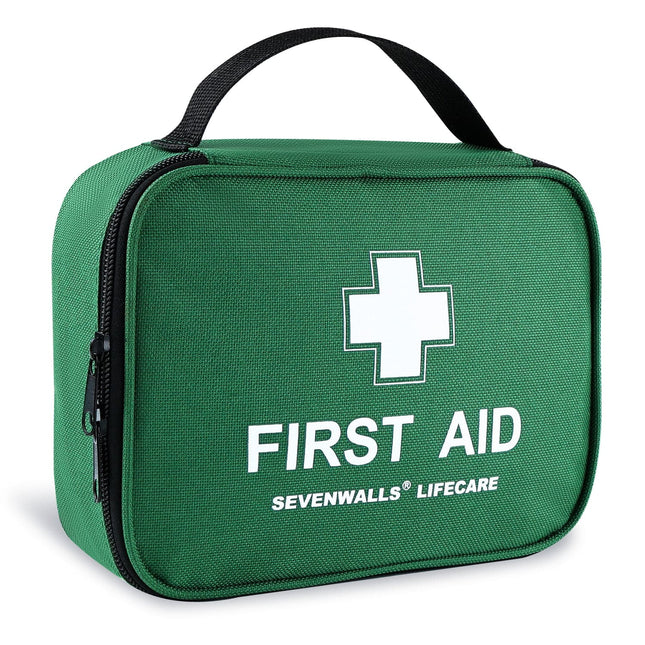
Allergic reactions range from mild symptoms to life-threatening emergencies. Anaphylaxis is a severe allergic reaction that can develop rapidly and requires urgent action.
This guide explains how allergic reactions and anaphylaxis are approached in UK first aid, what signs to look for, and how responsibilities apply in homes, schools, workplaces and public settings.
The information is written as general first aid guidance and does not replace medical advice or emergency care.
What is an allergic reaction?
An allergic reaction occurs when the immune system responds abnormally to a substance that is usually harmless.
Common allergens include:
Foods such as nuts, shellfish or dairy
Insect stings
Medicines
Latex
Reactions can vary from mild to severe, and symptoms may develop quickly or gradually.
What is anaphylaxis?
Anaphylaxis is a severe, potentially life-threatening allergic reaction.
It usually involves multiple body systems and can worsen rapidly without treatment.
Anaphylaxis is a medical emergency and requires immediate action.
Signs of a mild or moderate allergic reaction
Mild or moderate reactions may include:
Itchy skin or hives
Swelling of lips, face or eyes
Stomach pain, nausea or vomiting
Sneezing or a runny nose
Symptoms may remain mild, but they can also progress.
Signs of anaphylaxis (medical emergency)
Anaphylaxis may involve one or more of the following:
Difficulty breathing or noisy breathing
Swelling of the tongue or throat
Feeling faint, dizzy or collapsing
Sudden drop in blood pressure
Loss of consciousness
If anaphylaxis is suspected, emergency services must be contacted immediately.
When to call 999
You should call 999 immediately if:
Anaphylaxis is suspected
Breathing becomes difficult
The person collapses or becomes unresponsive
Symptoms worsen rapidly
Do not delay emergency help while monitoring symptoms.
Use of adrenaline auto-injectors
Some people at risk of anaphylaxis carry an adrenaline auto-injector.
In first aid situations:
The person should use their own prescribed auto-injector if able
Assistance may be given if trained or instructed
Emergency services must still be called
Adrenaline is a first-line emergency treatment, but it does not replace hospital care.
First aid considerations in workplaces and public places
Organisations should consider allergic risks within their environments.
1-2 days delivery
FirstAidKitsUK offers free delivery on all UK orders via Royal Mail 48 Tracked. We offer free next-day delivery on all orders over £30 via Royal Mail 24 Tracked.
Royal Mail 48 Tracked: Orders placed before 16:00 pm are dispatched the same day Mon-Fri, and 11:00 pm Sat. Orders after this threshold will be dispatched the next working day. Delivery takes 2 days, including Saturdays. This service is free for all orders.
Royal Mail 24 Tracked: Orders placed before 16:00 pm Mon-Fri, before 11pm Saturday are dispatched the same day. Orders after this threshold will be dispatched the next working day. Delivery will take place the next working day. This service is free for orders over £30. The charge for this service is £3.99 for orders under £30.
This may not be available during public holidays or weekends in between public holidays.
1-2 days delivery
FirstAidKitsUK offers free delivery on all UK orders via Royal Mail 48 Tracked. We offer free next-day delivery on all orders over £30 via Royal Mail 24 Tracked.
Royal Mail 48 Tracked: Orders placed before 16:00 pm are dispatched the same day Mon-Fri, and 11:00 pm Sat. Orders after this threshold will be dispatched the next working day. Delivery takes 2 days, including Saturdays. This service is free for all orders.
Royal Mail 24 Tracked: Orders placed before 16:00 pm Mon-Fri, before 11pm Saturday are dispatched the same day. Orders after this threshold will be dispatched the next working day. Delivery will take place the next working day. This service is free for orders over £30. The charge for this service is £3.99 for orders under £30.
This may not be available during public holidays or weekends in between public holidays.
1-2 days delivery
FirstAidKitsUK offers free delivery on all UK orders via Royal Mail 48 Tracked. We offer free next-day delivery on all orders over £30 via Royal Mail 24 Tracked.
Royal Mail 48 Tracked: Orders placed before 16:00 pm are dispatched the same day Mon-Fri, and 11:00 pm Sat. Orders after this threshold will be dispatched the next working day. Delivery takes 2 days, including Saturdays. This service is free for all orders.
Royal Mail 24 Tracked: Orders placed before 16:00 pm Mon-Fri, before 11pm Saturday are dispatched the same day. Orders after this threshold will be dispatched the next working day. Delivery will take place the next working day. This service is free for orders over £30. The charge for this service is £3.99 for orders under £30.
This may not be available during public holidays or weekends in between public holidays.
1-2 days delivery
FirstAidKitsUK offers free delivery on all UK orders via Royal Mail 48 Tracked. We offer free next-day delivery on all orders over £30 via Royal Mail 24 Tracked.
Royal Mail 48 Tracked: Orders placed before 16:00 pm are dispatched the same day Mon-Fri, and 11:00 pm Sat. Orders after this threshold will be dispatched the next working day. Delivery takes 2 days, including Saturdays. This service is free for all orders.
Royal Mail 24 Tracked: Orders placed before 16:00 pm Mon-Fri, before 11pm Saturday are dispatched the same day. Orders after this threshold will be dispatched the next working day. Delivery will take place the next working day. This service is free for orders over £30. The charge for this service is £3.99 for orders under £30.
This may not be available during public holidays or weekends in between public holidays.
1-2 days delivery
FirstAidKitsUK offers free delivery on all UK orders via Royal Mail 48 Tracked. We offer free next-day delivery on all orders over £30 via Royal Mail 24 Tracked.
Royal Mail 48 Tracked: Orders placed before 16:00 pm are dispatched the same day Mon-Fri, and 11:00 pm Sat. Orders after this threshold will be dispatched the next working day. Delivery takes 2 days, including Saturdays. This service is free for all orders.
Royal Mail 24 Tracked: Orders placed before 16:00 pm Mon-Fri, before 11pm Saturday are dispatched the same day. Orders after this threshold will be dispatched the next working day. Delivery will take place the next working day. This service is free for orders over £30. The charge for this service is £3.99 for orders under £30.
This may not be available during public holidays or weekends in between public holidays.
1-2 days delivery
FirstAidKitsUK offers free delivery on all UK orders via Royal Mail 48 Tracked. We offer free next-day delivery on all orders over £30 via Royal Mail 24 Tracked.
Royal Mail 48 Tracked: Orders placed before 16:00 pm are dispatched the same day Mon-Fri, and 11:00 pm Sat. Orders after this threshold will be dispatched the next working day. Delivery takes 2 days, including Saturdays. This service is free for all orders.
Royal Mail 24 Tracked: Orders placed before 16:00 pm Mon-Fri, before 11pm Saturday are dispatched the same day. Orders after this threshold will be dispatched the next working day. Delivery will take place the next working day. This service is free for orders over £30. The charge for this service is £3.99 for orders under £30.
This may not be available during public holidays or weekends in between public holidays.
1-2 days delivery
FirstAidKitsUK offers free delivery on all UK orders via Royal Mail 48 Tracked. We offer free next-day delivery on all orders over £30 via Royal Mail 24 Tracked.
Royal Mail 48 Tracked: Orders placed before 16:00 pm are dispatched the same day Mon-Fri, and 11:00 pm Sat. Orders after this threshold will be dispatched the next working day. Delivery takes 2 days, including Saturdays. This service is free for all orders.
Royal Mail 24 Tracked: Orders placed before 16:00 pm Mon-Fri, before 11pm Saturday are dispatched the same day. Orders after this threshold will be dispatched the next working day. Delivery will take place the next working day. This service is free for orders over £30. The charge for this service is £3.99 for orders under £30.
This may not be available during public holidays or weekends in between public holidays.