Smoke and fume inhalation can cause serious breathing problems, poisoning and loss of consciousness. It may happen during a fire, after exposure to vehicle exhaust, from faulty heating equipment, generators, industrial processes or other sources of harmful gases and vapours.
The danger is not always obvious. Some gases, including carbon monoxide, cannot be seen or smelled, and symptoms may initially seem mild before becoming more serious.
This guide explains how to recognise smoke or fume inhalation, what first aid to give, when to call 999, and why your own safety must always come first.
Important: never enter a smoke-filled or fume-filled area to rescue someone unless you are appropriately trained and equipped. You could quickly become another casualty.
What is smoke and fume inhalation?
Smoke and fume inhalation happens when a person breathes in harmful gases, particles, vapours or combustion products.
Possible sources include:
house or workplace fires;
vehicle exhaust fumes;
petrol or diesel generators;
faulty gas appliances;
boilers and heaters;
barbecues used in enclosed spaces;
industrial chemicals and vapours;
welding and cutting fumes;
solvents and cleaning chemicals;
burning plastics or other materials.
The exact effects depend on what was inhaled, how concentrated it was and how long the person was exposed.
Why can smoke inhalation be dangerous?
Smoke from a fire may contain a mixture of hot gases, toxic chemicals and particles that can irritate or damage the airway and lungs.
Some fire environments can also contain carbon monoxide, which interferes with the body's ability to carry oxygen effectively.
Possible consequences include:
airway irritation;
breathing difficulty;
reduced oxygen levels;
carbon monoxide poisoning;
loss of consciousness;
cardiac arrest in severe cases.
What are the signs of smoke or fume inhalation?
Symptoms vary depending on the substance and severity of exposure.
Possible warning signs include:
coughing;
shortness of breath;
wheezing;
chest tightness;
headache;
dizziness;
nausea or vomiting;
weakness;
confusion or unusual behaviour;
difficulty speaking normally;
reduced responsiveness;
collapse or unconsciousness.
After a fire, additional clues can include soot around the nose or mouth, facial burns or singed facial hair.
What should you do after smoke or fume inhalation?
Step
What to do
Why it matters
1. Protect yourself
Do not enter an area containing smoke, fumes or an unknown gas unless it has been made safe and you are appropriately trained and equipped.
Rescuers can be overcome very quickly by toxic gases or lack of oxygen.
2. Call for emergency help
Call 999 or 112 for serious smoke or fume exposure.
The casualty may need oxygen, monitoring and hospital treatment.
3. Move to fresh air if safe
Help the casualty away from the source and into fresh air only if this can be done without exposing yourself.
This stops or reduces further inhalation.
4. Help them rest
Support them in a comfortable position and encourage calm, normal breathing.
Breathing may become more difficult if they panic or exert themselves.
5. Monitor them
Keep checking breathing, responsiveness and overall condition while help is on the way.
Symptoms can worsen after the initial exposure.
Should you enter a smoke-filled room to rescue someone?
No, not unless you are appropriately trained and equipped.
Smoke and toxic fumes can make a rescuer unconscious very quickly. St John Ambulance guidance specifically advises against entering a fume-filled area yourself.
If someone is trapped inside:
call 999;
tell the emergency services exactly where the casualty is believed to be;
stay outside the danger area;
do not attempt an unprotected rescue.
Fire and rescue personnel have respiratory protective equipment and training for these environments.
When should you call 999?
Call 999 or 112 if:
the person has been exposed to significant smoke or toxic fumes;
they have difficulty breathing;
they are confused or unusually drowsy;
they have chest pain;
they collapse;
they become unresponsive;
carbon monoxide poisoning is suspected;
the exposure happened in a confined or enclosed space.
Tell the ambulance service what substance or source may be involved if you know.
If the exposure is chemical or industrial, keep the product information or Safety Data Sheet available where possible.
What should you do if the person is conscious?
If the casualty is awake and breathing:
move them into fresh air if it is safe;
sit them in a comfortable position;
loosen restrictive clothing if appropriate;
encourage slow, normal breathing;
keep them warm;
stay with them;
monitor for deterioration.
Do not allow them to return to the contaminated area.
What if the person has breathing difficulty?
Breathing difficulty after smoke or fume exposure should be taken seriously.
Call 999 and keep the casualty at rest.
Possible signs of worsening breathing include:
rapid breathing;
wheezing;
difficulty speaking in full sentences;
increasing exhaustion;
grey or blue colouring around the lips;
confusion;
reduced responsiveness.
If the person has asthma and exposure has triggered an attack, help them use their usual reliever inhaler according to their asthma plan.
Carbon monoxide is a poisonous gas produced when fuels do not burn completely.
Possible sources include:
faulty boilers;
gas or paraffin heaters;
wood, coal or oil fires;
vehicle exhaust fumes;
portable generators;
barbecues used in enclosed spaces.
Carbon monoxide cannot be reliably detected by smell or sight.
What are the symptoms of carbon monoxide poisoning?
Possible symptoms include:
headache;
dizziness;
nausea or vomiting;
weakness;
confusion;
unusual behaviour;
chest pain;
breathing difficulty;
reduced responsiveness;
loss of consciousness.
St John Ambulance advises calling 999 or 112 if carbon monoxide poisoning is suspected and helping the casualty into fresh air without entering the contaminated area yourself. :contentReference[oaicite:2]{index=2}
What if several people become ill at the same time?
If several people in the same room or building develop headache, dizziness, nausea, confusion or weakness, consider the possibility of a shared environmental cause such as carbon monoxide or another harmful gas.
Leave the area if it is safe to do so and call emergency services.
Do not re-enter until the building has been declared safe.
Smoke inhalation after a house or workplace fire
A person rescued from a fire may have several injuries at the same time.
Possible concerns include:
smoke inhalation;
burns;
carbon monoxide exposure;
falls or trauma during escape;
shock;
loss of consciousness.
Do not focus only on visible burns. Breathing problems can be more immediately dangerous.
Warning signs that the airway may have been affected include:
difficulty breathing;
persistent coughing;
a hoarse or altered voice;
soot around the mouth or nose;
burns around the face;
singed nasal or facial hair;
increasing breathing difficulty.
Airway swelling can become more serious after the initial incident, so significant smoke exposure should not be dismissed simply because the person is initially able to talk.
Can symptoms appear later?
Yes.
Some people may initially appear relatively well after inhaling smoke or fumes and then develop worsening symptoms.
Seek medical advice if someone develops:
persistent coughing;
shortness of breath;
chest discomfort;
headache;
increasing tiredness;
dizziness;
confusion;
other worsening symptoms after exposure.
Smoke inhalation vs asthma
Smoke can trigger asthma symptoms, but smoke inhalation and an asthma attack are not necessarily the same thing.
Smoke or fume inhalation
Asthma attack
May affect anyone after exposure to harmful gases, particles or fumes.
Occurs in someone whose airways narrow because of asthma.
May involve toxic gases such as carbon monoxide.
Can be triggered by smoke, allergies, infection or other triggers.
May cause headache, confusion, nausea and unconsciousness as well as breathing symptoms.
More typically causes wheezing, coughing, chest tightness and difficulty breathing.
Significant exposure may require emergency assessment even in someone without asthma.
The person should follow their established asthma emergency plan and use their prescribed reliever as appropriate.
Industrial fumes and chemical inhalation
Workplaces may contain harmful fumes from:
welding;
solvents;
cleaning chemicals;
paint and coatings;
industrial processes;
pesticides;
chemical reactions.
The first aid response may depend on the exact substance.
Where chemicals are involved:
identify the substance if possible;
check the Safety Data Sheet;
follow the product-specific emergency instructions;
do not enter the contaminated atmosphere without appropriate respiratory protection.
Confined spaces are particularly dangerous because gases can accumulate and oxygen levels may fall.
Examples can include:
tanks;
silos;
pits;
sewers;
small enclosed plant rooms;
poorly ventilated storage areas.
Never enter a confined space to rescue someone without the training, equipment and rescue arrangements required for that environment.
A casualty may have collapsed because the atmosphere itself is immediately dangerous to life.
Generator fumes and enclosed spaces
Portable generators can produce carbon monoxide.
They should not be used inside homes, garages, tents, caravans or other enclosed areas where exhaust gases can build up.
If someone becomes unwell near a running generator:
move away from the source if it is safe;
go into fresh air;
call 999 if carbon monoxide poisoning is suspected;
do not re-enter a contaminated enclosed space.
Vehicle exhaust fumes
Vehicle exhaust can also contain carbon monoxide and other harmful gases.
Risk increases when engines run in poorly ventilated garages, workshops, loading areas or other enclosed locations.
If a person collapses in a vehicle or enclosed area where an engine has been running, do not enter if the atmosphere may still be dangerous.
Call emergency services and follow their instructions.
Should you give oxygen?
Emergency oxygen may be useful after smoke or fume inhalation, but it should generally be administered by someone who is appropriately trained and using suitable equipment.
Do not delay calling 999, moving the casualty to fresh air where safe, or starting CPR while searching for oxygen equipment.
Should you give food or drink?
Do not give food or drink to someone who is drowsy, confused, unresponsive or struggling to breathe.
If there is a possibility of poisoning or chemical exposure, follow advice from emergency services or the relevant Safety Data Sheet rather than giving anything by mouth.
Smoke inhalation in children
Children can be particularly vulnerable to smoke and toxic gases because of their smaller airways and body size.
After significant smoke exposure, seek urgent medical advice if a child has:
persistent coughing;
wheezing;
difficulty breathing;
unusual sleepiness;
confusion;
facial burns;
loss of consciousness.
Call 999 for serious breathing difficulty or reduced responsiveness.
Smoke inhalation and older adults
Older people or those with heart or lung conditions may become seriously unwell after smoke exposure more quickly than a healthy adult.
Lower the threshold for obtaining medical advice if the casualty has:
heart disease;
asthma;
COPD;
other chronic breathing problems;
significant frailty.
Common mistakes after smoke or fume exposure
Common mistakes include:
entering a contaminated area without protection;
assuming visible smoke must be present for toxic gas exposure;
allowing the casualty to return to the contaminated environment;
ignoring headache, dizziness or confusion after possible carbon monoxide exposure;
delaying 999 because the person is still conscious;
giving food or drink to someone who is drowsy or confused;
failing to identify the chemical involved in an industrial exposure;
overlooking breathing problems because visible burns appear minor.
Can a first aid kit help after smoke inhalation?
A standard first aid kit cannot treat smoke inhalation or carbon monoxide poisoning.
The most important actions are:
preventing further exposure;
calling emergency services;
moving the casualty to fresh air where safe;
monitoring breathing and responsiveness;
starting CPR if necessary.
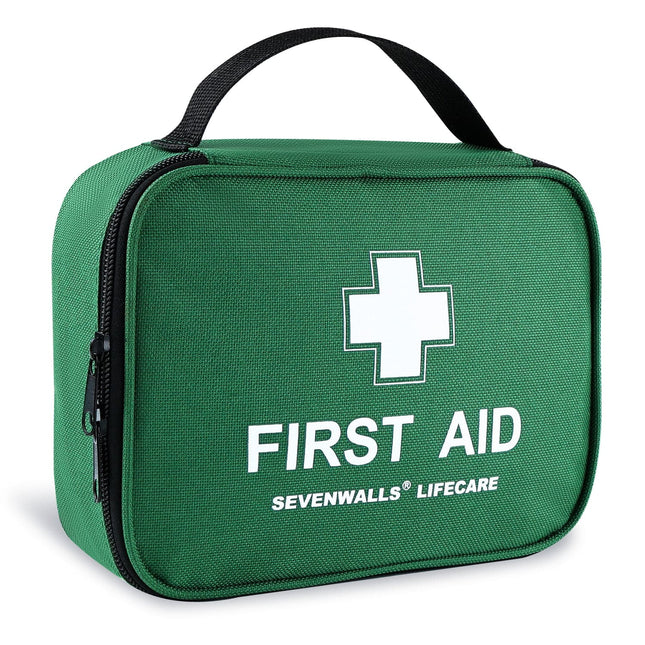
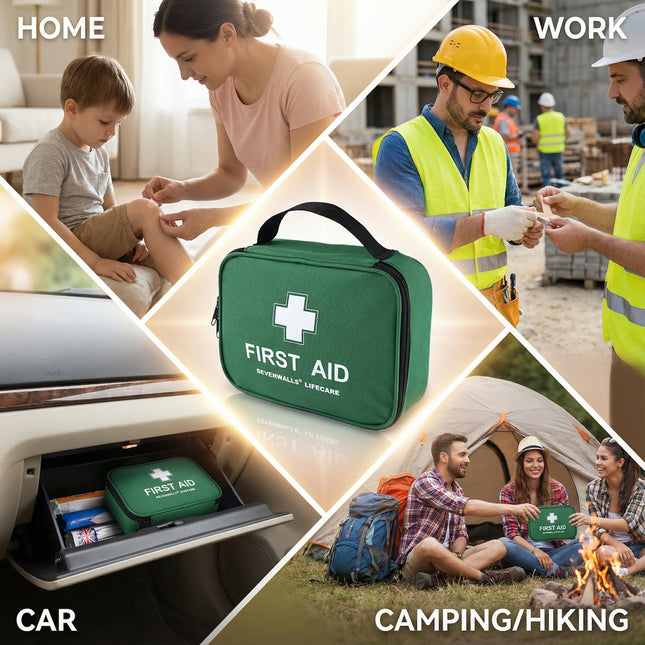
A first aid kit may still be useful for associated injuries such as burns, cuts or other injuries sustained during an evacuation.
You can view our range of first aid kits for home, workplace and emergency preparedness.
Quick smoke and fume inhalation checklist
Situation
What to do
Smoke or fumes still present
Do not enter the area unless trained and equipped. Call emergency services.
Casualty can be reached safely
Move them into fresh air and away from the source.
Breathing difficulty
Call 999 and keep the casualty at rest while monitoring them.
Possible carbon monoxide exposure
Move to fresh air where safe and call 999 or 112.
Unresponsive but breathing normally
Use the recovery position where appropriate and continue monitoring breathing.
Not breathing normally
Call 999, begin CPR and use an AED if available.
Industrial chemical exposure
Identify the substance and provide the Safety Data Sheet or product information to emergency services.
Official UK first aid guidance
St John Ambulance provides clinically reviewed guidance on carbon monoxide poisoning and first aid emergencies involving harmful fumes.
What should you do after breathing in smoke or fumes?
Move away from the source and into fresh air if this can be done safely. Do not enter a contaminated area yourself. Call 999 for significant exposure, breathing difficulty, confusion, collapse or suspected carbon monoxide poisoning.
Should you enter a smoke-filled room to rescue someone?
No, not unless you are appropriately trained and equipped. Smoke and toxic gases can overcome a rescuer very quickly. Call 999 and give emergency services the casualty's location.
What are the signs of carbon monoxide poisoning?
Possible symptoms include headache, dizziness, nausea, weakness, confusion, unusual behaviour, chest pain, breathing difficulty and reduced responsiveness. Severe exposure can cause unconsciousness.
Can smoke inhalation symptoms appear later?
Yes. Some symptoms may worsen after the person has left the smoke or fume source. Persistent coughing, breathing difficulty, chest discomfort, dizziness, confusion or unusual tiredness should be medically assessed.
What should you do if someone becomes unconscious after smoke inhalation?
Call 999 and check their breathing. If they are breathing normally, use the recovery position where appropriate and monitor them. If they are not breathing normally, begin CPR immediately and use an AED if available.
Can a first aid kit treat smoke inhalation?
No. A standard first aid kit cannot treat smoke inhalation or carbon monoxide poisoning. The priorities are stopping further exposure, moving to fresh air where safe, calling emergency services and supporting breathing and responsiveness.
1-2 days delivery
FirstAidKitsUK offers free delivery on all UK orders via Royal Mail 48 Tracked. We offer free next-day delivery on all orders over £30 via Royal Mail 24 Tracked.
Royal Mail 48 Tracked: Orders placed before 16:00 pm are dispatched the same day Mon-Fri, and 11:00 pm Sat. Orders after this threshold will be dispatched the next working day. Delivery takes 2 days, including Saturdays. This service is free for all orders.
Royal Mail 24 Tracked: Orders placed before 16:00 pm Mon-Fri, before 11pm Saturday are dispatched the same day. Orders after this threshold will be dispatched the next working day. Delivery will take place the next working day. This service is free for orders over £30. The charge for this service is £3.99 for orders under £30.
This may not be available during public holidays or weekends in between public holidays.
1-2 days delivery
FirstAidKitsUK offers free delivery on all UK orders via Royal Mail 48 Tracked. We offer free next-day delivery on all orders over £30 via Royal Mail 24 Tracked.
Royal Mail 48 Tracked: Orders placed before 16:00 pm are dispatched the same day Mon-Fri, and 11:00 pm Sat. Orders after this threshold will be dispatched the next working day. Delivery takes 2 days, including Saturdays. This service is free for all orders.
Royal Mail 24 Tracked: Orders placed before 16:00 pm Mon-Fri, before 11pm Saturday are dispatched the same day. Orders after this threshold will be dispatched the next working day. Delivery will take place the next working day. This service is free for orders over £30. The charge for this service is £3.99 for orders under £30.
This may not be available during public holidays or weekends in between public holidays.
1-2 days delivery
FirstAidKitsUK offers free delivery on all UK orders via Royal Mail 48 Tracked. We offer free next-day delivery on all orders over £30 via Royal Mail 24 Tracked.
Royal Mail 48 Tracked: Orders placed before 16:00 pm are dispatched the same day Mon-Fri, and 11:00 pm Sat. Orders after this threshold will be dispatched the next working day. Delivery takes 2 days, including Saturdays. This service is free for all orders.
Royal Mail 24 Tracked: Orders placed before 16:00 pm Mon-Fri, before 11pm Saturday are dispatched the same day. Orders after this threshold will be dispatched the next working day. Delivery will take place the next working day. This service is free for orders over £30. The charge for this service is £3.99 for orders under £30.
This may not be available during public holidays or weekends in between public holidays.
1-2 days delivery
FirstAidKitsUK offers free delivery on all UK orders via Royal Mail 48 Tracked. We offer free next-day delivery on all orders over £30 via Royal Mail 24 Tracked.
Royal Mail 48 Tracked: Orders placed before 16:00 pm are dispatched the same day Mon-Fri, and 11:00 pm Sat. Orders after this threshold will be dispatched the next working day. Delivery takes 2 days, including Saturdays. This service is free for all orders.
Royal Mail 24 Tracked: Orders placed before 16:00 pm Mon-Fri, before 11pm Saturday are dispatched the same day. Orders after this threshold will be dispatched the next working day. Delivery will take place the next working day. This service is free for orders over £30. The charge for this service is £3.99 for orders under £30.
This may not be available during public holidays or weekends in between public holidays.
1-2 days delivery
FirstAidKitsUK offers free delivery on all UK orders via Royal Mail 48 Tracked. We offer free next-day delivery on all orders over £30 via Royal Mail 24 Tracked.
Royal Mail 48 Tracked: Orders placed before 16:00 pm are dispatched the same day Mon-Fri, and 11:00 pm Sat. Orders after this threshold will be dispatched the next working day. Delivery takes 2 days, including Saturdays. This service is free for all orders.
Royal Mail 24 Tracked: Orders placed before 16:00 pm Mon-Fri, before 11pm Saturday are dispatched the same day. Orders after this threshold will be dispatched the next working day. Delivery will take place the next working day. This service is free for orders over £30. The charge for this service is £3.99 for orders under £30.
This may not be available during public holidays or weekends in between public holidays.
1-2 days delivery
FirstAidKitsUK offers free delivery on all UK orders via Royal Mail 48 Tracked. We offer free next-day delivery on all orders over £30 via Royal Mail 24 Tracked.
Royal Mail 48 Tracked: Orders placed before 16:00 pm are dispatched the same day Mon-Fri, and 11:00 pm Sat. Orders after this threshold will be dispatched the next working day. Delivery takes 2 days, including Saturdays. This service is free for all orders.
Royal Mail 24 Tracked: Orders placed before 16:00 pm Mon-Fri, before 11pm Saturday are dispatched the same day. Orders after this threshold will be dispatched the next working day. Delivery will take place the next working day. This service is free for orders over £30. The charge for this service is £3.99 for orders under £30.
This may not be available during public holidays or weekends in between public holidays.
1-2 days delivery
FirstAidKitsUK offers free delivery on all UK orders via Royal Mail 48 Tracked. We offer free next-day delivery on all orders over £30 via Royal Mail 24 Tracked.
Royal Mail 48 Tracked: Orders placed before 16:00 pm are dispatched the same day Mon-Fri, and 11:00 pm Sat. Orders after this threshold will be dispatched the next working day. Delivery takes 2 days, including Saturdays. This service is free for all orders.
Royal Mail 24 Tracked: Orders placed before 16:00 pm Mon-Fri, before 11pm Saturday are dispatched the same day. Orders after this threshold will be dispatched the next working day. Delivery will take place the next working day. This service is free for orders over £30. The charge for this service is £3.99 for orders under £30.
This may not be available during public holidays or weekends in between public holidays.