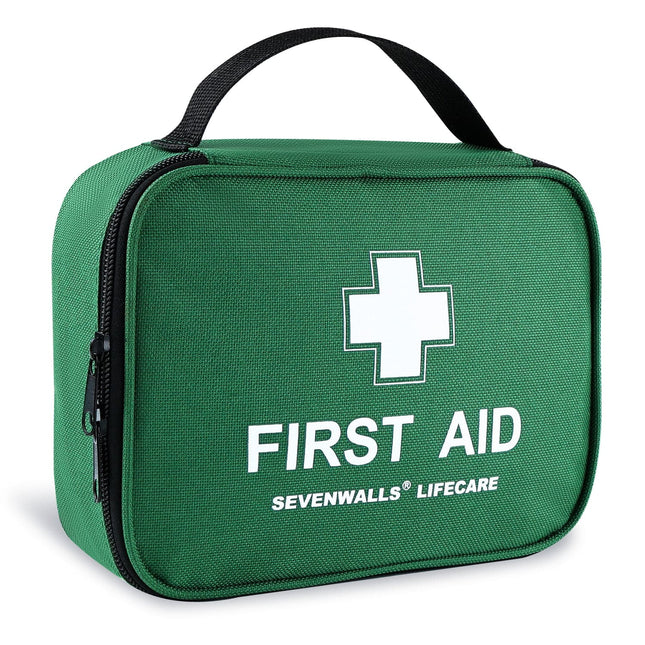
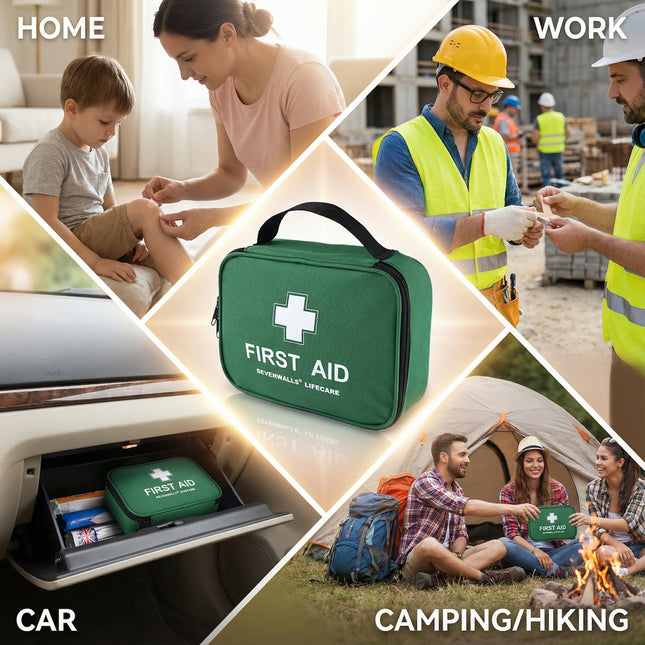
Many people across the UK work alone—delivery drivers, estate agents, mobile engineers, cleaners, tradespeople, carers, and remote staff. Under the Health and Safety (First-Aid) Regulations 1981, employers must ensure lone workers can receive immediate first aid if they become injured or ill. This guide explains your legal duties, what lone workers need, and which type of first aid kit is suitable.
According to the HSE, a lone worker is anyone who works without direct supervision or without other colleagues nearby. This includes:
Delivery drivers, couriers, van drivers
Plumbers, electricians, mobile engineers
Estate agents, surveyors, housing officers
Cleaners and maintenance staff
Carers, visiting nurses, home-support workers
Groundskeepers, park workers, gardeners
Remote office workers working alone at home
Legal First Aid Requirements for Lone Workers
Employers must ensure that lone workers:
Can access first aid quickly
Have the right equipment with them
Are trained to use their kit
Can contact help in an emergency
These duties apply even when staff leave the business premises (e.g., driving, visiting clients, working off-site).
What Lone Workers Should Carry
Item
Why It’s Needed
Suitable Kit Types
Plasters & Dressings
For minor cuts and grazes when working alone.
Compact first aid pouch
Bandages & Sterile Gauze
Helps control bleeding until help arrives.
Travel or vehicle first aid kit
Antiseptic Wipes
Clean wounds when water isn’t available.
Home, travel, or workplace kit
Disposable Gloves
Protects against contamination during self-treatment.
BS 8599-1 compliant kit
Burn Gel or Dressing
Useful for engineers, cleaners, and maintenance workers.
Workplace kit, travel kit
Foil Thermal Blanket
Keeps worker warm during shock or breakdowns.
Car/vehicle first aid kit
Scissors, Tweezers & Tape
Multi-purpose tools for emergency self-care.
BS-compliant workplace kit
To explore suitable options, see our full range of first aid kits for home, travel, workplace, vehicles, and mobile workers.
Communication Requirements for Lone Workers
Lone workers must be able to contact help immediately. Employers should provide:
A mobile phone or work phone
Check-in system or lone worker app
Location tracking (where appropriate)
Emergency escalation procedure
Vehicle-Based Lone Workers
Drivers must have access to a vehicle first aid kit that is compact, accessible, and able to withstand temperature changes. Many employers incorporate this into fleet safety policies.
Home Visit & Community Lone Workers
Care workers, nurses, and social care teams should carry a small, well-organised kit that covers likely risks, such as cuts, burns, or needlestick injuries. Training should include infection control and emergency contact protocols.
Lone Worker First Aid Responsibilities
Employer Responsibilities
Lone Worker Responsibilities
Provide suitable first aid kit and training.
Carry kit at all times during work.
Perform regular risk assessments.
Use equipment correctly and report issues.
Ensure workers can contact help.
Follow lone worker check-in procedures.
Replace expired or used items promptly.
Report missing or damaged items.
Lone Worker First Aid — FAQ
Do lone workers legally need a first aid kit?
Yes. Employers must ensure lone workers have access to suitable first aid equipment at all times.
What size of first aid kit is best for lone workers?
A compact travel or vehicle kit is usually sufficient, provided it covers the risks identified in the workplace risk assessment.
Are lone workers required to be first aid trained?
Not always, but employers should provide basic first aid guidance and ensure workers know how to use their kit.
Can lone workers share a first aid kit?
No. Each worker should have their own kit while working off-site or travelling alone.
How often should lone worker kits be checked?
Monthly checks are recommended, with additional checks after high-use periods or incidents.
1-2 days delivery
FirstAidKitsUK offers free delivery on all UK orders via Royal Mail 48 Tracked. We offer free next-day delivery on all orders over £30 via Royal Mail 24 Tracked.
Royal Mail 48 Tracked: Orders placed before 16:00 pm are dispatched the same day Mon-Fri, and 11:00 pm Sat. Orders after this threshold will be dispatched the next working day. Delivery takes 2 days, including Saturdays. This service is free for all orders.
Royal Mail 24 Tracked: Orders placed before 16:00 pm Mon-Fri, before 11pm Saturday are dispatched the same day. Orders after this threshold will be dispatched the next working day. Delivery will take place the next working day. This service is free for orders over £30. The charge for this service is £3.99 for orders under £30.
This may not be available during public holidays or weekends in between public holidays.
1-2 days delivery
FirstAidKitsUK offers free delivery on all UK orders via Royal Mail 48 Tracked. We offer free next-day delivery on all orders over £30 via Royal Mail 24 Tracked.
Royal Mail 48 Tracked: Orders placed before 16:00 pm are dispatched the same day Mon-Fri, and 11:00 pm Sat. Orders after this threshold will be dispatched the next working day. Delivery takes 2 days, including Saturdays. This service is free for all orders.
Royal Mail 24 Tracked: Orders placed before 16:00 pm Mon-Fri, before 11pm Saturday are dispatched the same day. Orders after this threshold will be dispatched the next working day. Delivery will take place the next working day. This service is free for orders over £30. The charge for this service is £3.99 for orders under £30.
This may not be available during public holidays or weekends in between public holidays.
1-2 days delivery
FirstAidKitsUK offers free delivery on all UK orders via Royal Mail 48 Tracked. We offer free next-day delivery on all orders over £30 via Royal Mail 24 Tracked.
Royal Mail 48 Tracked: Orders placed before 16:00 pm are dispatched the same day Mon-Fri, and 11:00 pm Sat. Orders after this threshold will be dispatched the next working day. Delivery takes 2 days, including Saturdays. This service is free for all orders.
Royal Mail 24 Tracked: Orders placed before 16:00 pm Mon-Fri, before 11pm Saturday are dispatched the same day. Orders after this threshold will be dispatched the next working day. Delivery will take place the next working day. This service is free for orders over £30. The charge for this service is £3.99 for orders under £30.
This may not be available during public holidays or weekends in between public holidays.
1-2 days delivery
FirstAidKitsUK offers free delivery on all UK orders via Royal Mail 48 Tracked. We offer free next-day delivery on all orders over £30 via Royal Mail 24 Tracked.
Royal Mail 48 Tracked: Orders placed before 16:00 pm are dispatched the same day Mon-Fri, and 11:00 pm Sat. Orders after this threshold will be dispatched the next working day. Delivery takes 2 days, including Saturdays. This service is free for all orders.
Royal Mail 24 Tracked: Orders placed before 16:00 pm Mon-Fri, before 11pm Saturday are dispatched the same day. Orders after this threshold will be dispatched the next working day. Delivery will take place the next working day. This service is free for orders over £30. The charge for this service is £3.99 for orders under £30.
This may not be available during public holidays or weekends in between public holidays.
1-2 days delivery
FirstAidKitsUK offers free delivery on all UK orders via Royal Mail 48 Tracked. We offer free next-day delivery on all orders over £30 via Royal Mail 24 Tracked.
Royal Mail 48 Tracked: Orders placed before 16:00 pm are dispatched the same day Mon-Fri, and 11:00 pm Sat. Orders after this threshold will be dispatched the next working day. Delivery takes 2 days, including Saturdays. This service is free for all orders.
Royal Mail 24 Tracked: Orders placed before 16:00 pm Mon-Fri, before 11pm Saturday are dispatched the same day. Orders after this threshold will be dispatched the next working day. Delivery will take place the next working day. This service is free for orders over £30. The charge for this service is £3.99 for orders under £30.
This may not be available during public holidays or weekends in between public holidays.
1-2 days delivery
FirstAidKitsUK offers free delivery on all UK orders via Royal Mail 48 Tracked. We offer free next-day delivery on all orders over £30 via Royal Mail 24 Tracked.
Royal Mail 48 Tracked: Orders placed before 16:00 pm are dispatched the same day Mon-Fri, and 11:00 pm Sat. Orders after this threshold will be dispatched the next working day. Delivery takes 2 days, including Saturdays. This service is free for all orders.
Royal Mail 24 Tracked: Orders placed before 16:00 pm Mon-Fri, before 11pm Saturday are dispatched the same day. Orders after this threshold will be dispatched the next working day. Delivery will take place the next working day. This service is free for orders over £30. The charge for this service is £3.99 for orders under £30.
This may not be available during public holidays or weekends in between public holidays.
1-2 days delivery
FirstAidKitsUK offers free delivery on all UK orders via Royal Mail 48 Tracked. We offer free next-day delivery on all orders over £30 via Royal Mail 24 Tracked.
Royal Mail 48 Tracked: Orders placed before 16:00 pm are dispatched the same day Mon-Fri, and 11:00 pm Sat. Orders after this threshold will be dispatched the next working day. Delivery takes 2 days, including Saturdays. This service is free for all orders.
Royal Mail 24 Tracked: Orders placed before 16:00 pm Mon-Fri, before 11pm Saturday are dispatched the same day. Orders after this threshold will be dispatched the next working day. Delivery will take place the next working day. This service is free for orders over £30. The charge for this service is £3.99 for orders under £30.
This may not be available during public holidays or weekends in between public holidays.