First Aid Kits for Remote Workers and Home Offices (UK Guide)
4 min reading time
Remote working has become a normal part of life across the UK, from hybrid office staff to fully home-based employees. However, employers still have legal duties to ensure remote workers can access immediate first aid if they become ill or injured while working. This guide explains what employers must provide, what home workers should keep in their workspace, and the essential items for a safe home office setup.
Yes. Under the Health and Safety (First-Aid) Regulations 1981, employers must ensure that every employee—whether on-site, hybrid, or fully remote—has access to appropriate first aid provision.
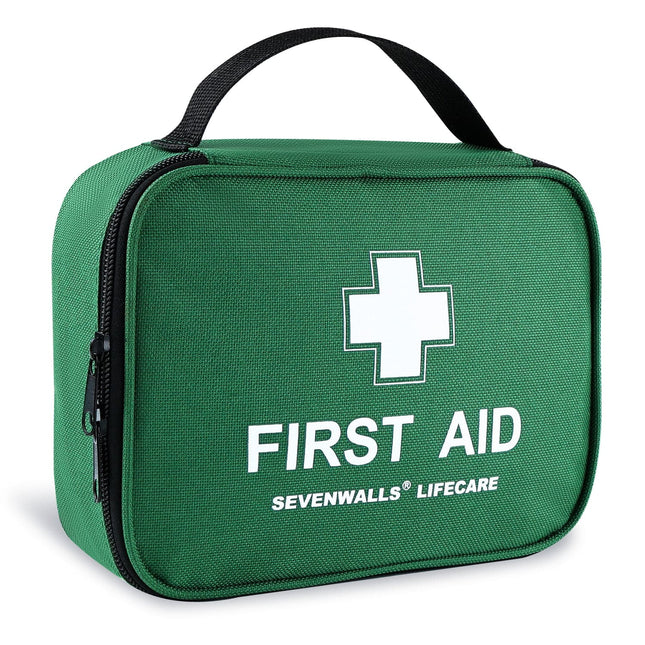
This does not always mean providing a full workplace kit for the home, but employers must make sure the worker can receive immediate and appropriate first aid. For most home offices, this means supplying or recommending a small, well-stocked kit.
Employer Responsibilities for Remote Workers
Responsibility
What Employers Must Do
Risk Assessment
Assess home-working risks, including slips, trips, burns, cuts, and ergonomic hazards.
Provide Suitable First Aid Resources
Ensure remote staff have access to a basic first aid kit or reimburse them for one.
Information & Training
Give workers instructions on what to do in an emergency, how to report incidents, and how to use their kit.
Check annually that remote staff have appropriate equipment and emergency information.
What Should Remote Workers Keep in Their Home Office?
A home office typically doesn’t require a full BS 8599-1 workplace kit. Instead, remote workers should have a compact, practical kit that covers the most common household and office injuries.
Item
Purpose
Notes
Plasters
Minor cuts from kitchen, office equipment, or packaging.
Assorted sizes recommended.
Sterile Dressings & Gauze
Cover larger cuts or grazes.
Useful for more serious minor injuries.
Antiseptic Wipes
Cleaning cuts when running water isn’t nearby.
Important for hygiene.
Bandages & Tape
Support sprains or secure dressings.
Helpful for slips or falls at home.
Burn Gel or Burn Dressing
For accidental burns from kettles, ovens, or heaters.
Ergonomic chair to reduce musculoskeletal injuries
Hand sanitiser or hand wash
Cold pack for strains or minor injuries
Moisturising cream for desk-related skin dryness
Small fire blanket or extinguisher (optional)
Emergency Procedures for Remote Workers
Home workers should know:
📞 When to call 999 or 112
📍 Their exact home address and postcode for emergencies
📝 How to report incidents to their employer
🚫 What NOT to do (e.g. delaying seeking medical help)
How Employers Should Support Remote Workers
Offer or supply a suitable first aid kit
Provide basic first aid guidance or training
Keep first aid contacts visible on internal systems
Review arrangements annually
Ensure lone or remote workers are included in overall company policies
Remote Worker First Aid — FAQ
Do employers have to provide first aid kits to home workers?
Employers must ensure remote workers have access to suitable first aid equipment. This may involve supplying a kit or reimbursing employees who purchase one.
What size kit should a remote worker have?
A compact kit is normally sufficient for home offices, as long as it covers cuts, burns, minor wounds, and basic emergencies.
Do home workers need to record accidents?
Yes. Incidents must still be reported through the employer’s accident reporting procedure, even if they occur at home.
Are employers responsible for hazards inside the home?
Employers are not responsible for home maintenance but must assess work-related risks and provide necessary safety information.
Is a BS 8599-1 kit required for home offices?
Not usually. A small, practical kit is normally sufficient unless the worker performs higher-risk tasks.
1-2 days delivery
FirstAidKitsUK offers free delivery on all UK orders via Royal Mail 48 Tracked. We offer free next-day delivery on all orders over £30 via Royal Mail 24 Tracked.
Royal Mail 48 Tracked: Orders placed before 16:00 pm are dispatched the same day Mon-Fri, and 11:00 pm Sat. Orders after this threshold will be dispatched the next working day. Delivery takes 2 days, including Saturdays. This service is free for all orders.
Royal Mail 24 Tracked: Orders placed before 16:00 pm Mon-Fri, before 11pm Saturday are dispatched the same day. Orders after this threshold will be dispatched the next working day. Delivery will take place the next working day. This service is free for orders over £30. The charge for this service is £3.99 for orders under £30.
This may not be available during public holidays or weekends in between public holidays.
1-2 days delivery
FirstAidKitsUK offers free delivery on all UK orders via Royal Mail 48 Tracked. We offer free next-day delivery on all orders over £30 via Royal Mail 24 Tracked.
Royal Mail 48 Tracked: Orders placed before 16:00 pm are dispatched the same day Mon-Fri, and 11:00 pm Sat. Orders after this threshold will be dispatched the next working day. Delivery takes 2 days, including Saturdays. This service is free for all orders.
Royal Mail 24 Tracked: Orders placed before 16:00 pm Mon-Fri, before 11pm Saturday are dispatched the same day. Orders after this threshold will be dispatched the next working day. Delivery will take place the next working day. This service is free for orders over £30. The charge for this service is £3.99 for orders under £30.
This may not be available during public holidays or weekends in between public holidays.
1-2 days delivery
FirstAidKitsUK offers free delivery on all UK orders via Royal Mail 48 Tracked. We offer free next-day delivery on all orders over £30 via Royal Mail 24 Tracked.
Royal Mail 48 Tracked: Orders placed before 16:00 pm are dispatched the same day Mon-Fri, and 11:00 pm Sat. Orders after this threshold will be dispatched the next working day. Delivery takes 2 days, including Saturdays. This service is free for all orders.
Royal Mail 24 Tracked: Orders placed before 16:00 pm Mon-Fri, before 11pm Saturday are dispatched the same day. Orders after this threshold will be dispatched the next working day. Delivery will take place the next working day. This service is free for orders over £30. The charge for this service is £3.99 for orders under £30.
This may not be available during public holidays or weekends in between public holidays.
1-2 days delivery
FirstAidKitsUK offers free delivery on all UK orders via Royal Mail 48 Tracked. We offer free next-day delivery on all orders over £30 via Royal Mail 24 Tracked.
Royal Mail 48 Tracked: Orders placed before 16:00 pm are dispatched the same day Mon-Fri, and 11:00 pm Sat. Orders after this threshold will be dispatched the next working day. Delivery takes 2 days, including Saturdays. This service is free for all orders.
Royal Mail 24 Tracked: Orders placed before 16:00 pm Mon-Fri, before 11pm Saturday are dispatched the same day. Orders after this threshold will be dispatched the next working day. Delivery will take place the next working day. This service is free for orders over £30. The charge for this service is £3.99 for orders under £30.
This may not be available during public holidays or weekends in between public holidays.
1-2 days delivery
FirstAidKitsUK offers free delivery on all UK orders via Royal Mail 48 Tracked. We offer free next-day delivery on all orders over £30 via Royal Mail 24 Tracked.
Royal Mail 48 Tracked: Orders placed before 16:00 pm are dispatched the same day Mon-Fri, and 11:00 pm Sat. Orders after this threshold will be dispatched the next working day. Delivery takes 2 days, including Saturdays. This service is free for all orders.
Royal Mail 24 Tracked: Orders placed before 16:00 pm Mon-Fri, before 11pm Saturday are dispatched the same day. Orders after this threshold will be dispatched the next working day. Delivery will take place the next working day. This service is free for orders over £30. The charge for this service is £3.99 for orders under £30.
This may not be available during public holidays or weekends in between public holidays.
1-2 days delivery
FirstAidKitsUK offers free delivery on all UK orders via Royal Mail 48 Tracked. We offer free next-day delivery on all orders over £30 via Royal Mail 24 Tracked.
Royal Mail 48 Tracked: Orders placed before 16:00 pm are dispatched the same day Mon-Fri, and 11:00 pm Sat. Orders after this threshold will be dispatched the next working day. Delivery takes 2 days, including Saturdays. This service is free for all orders.
Royal Mail 24 Tracked: Orders placed before 16:00 pm Mon-Fri, before 11pm Saturday are dispatched the same day. Orders after this threshold will be dispatched the next working day. Delivery will take place the next working day. This service is free for orders over £30. The charge for this service is £3.99 for orders under £30.
This may not be available during public holidays or weekends in between public holidays.
1-2 days delivery
FirstAidKitsUK offers free delivery on all UK orders via Royal Mail 48 Tracked. We offer free next-day delivery on all orders over £30 via Royal Mail 24 Tracked.
Royal Mail 48 Tracked: Orders placed before 16:00 pm are dispatched the same day Mon-Fri, and 11:00 pm Sat. Orders after this threshold will be dispatched the next working day. Delivery takes 2 days, including Saturdays. This service is free for all orders.
Royal Mail 24 Tracked: Orders placed before 16:00 pm Mon-Fri, before 11pm Saturday are dispatched the same day. Orders after this threshold will be dispatched the next working day. Delivery will take place the next working day. This service is free for orders over £30. The charge for this service is £3.99 for orders under £30.
This may not be available during public holidays or weekends in between public holidays.