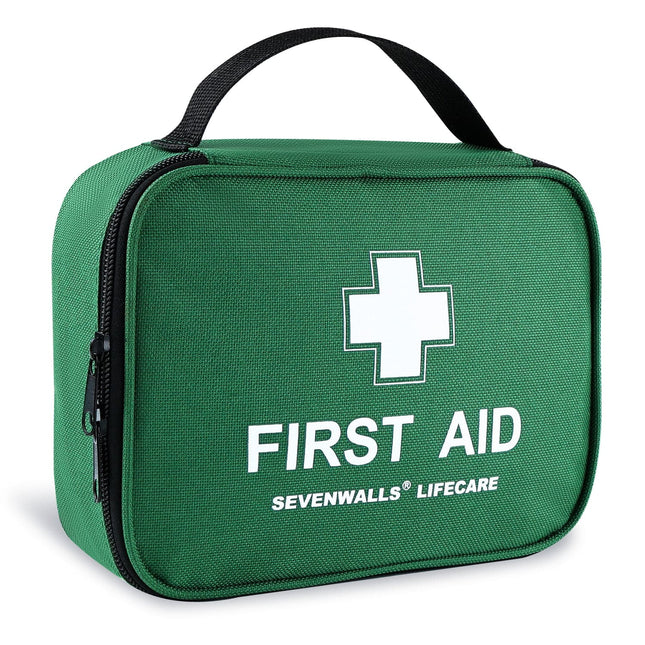
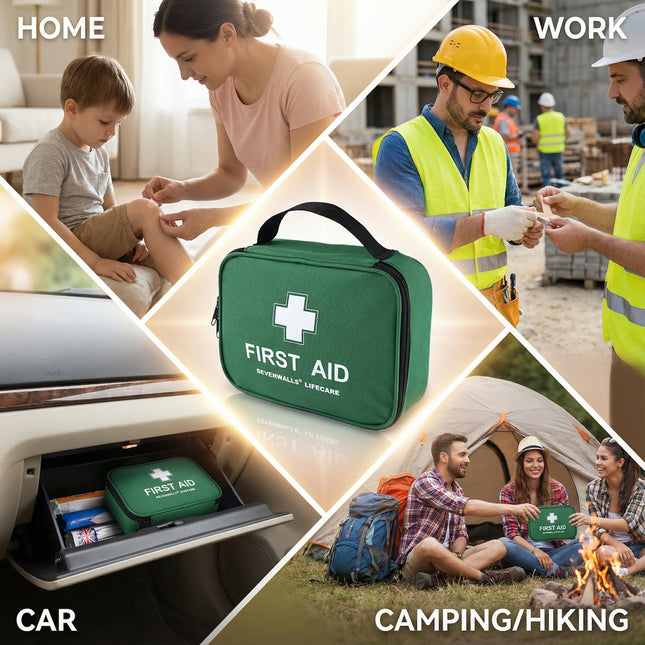
Workplace safety signs help communicate important health and safety information quickly and clearly. They alert people to hazards, identify emergency equipment, provide mandatory instructions and help employees and visitors respond appropriately during normal operations and emergencies.
Safety signs should support, not replace, safe systems of work, training and risk control measures.
This guide explains the main categories of workplace safety signs used in the UK, what they mean and why they are important.
This information is general guidance and should not be considered legal advice.
Why workplace safety signs matter
Safety signs provide clear visual information where risks cannot be completely eliminated by other control measures.
They help people:
Recognise hazards
Follow safe working practices
Locate emergency equipment
Find escape routes
Identify first aid facilities
Respond quickly during emergencies
Main categories of workplace safety signs
Sign Type
Colour
Purpose
Prohibition
Red
Shows actions that are not allowed.
Warning
Yellow
Warns of hazards or dangers.
Mandatory
Blue
Indicates actions that must be followed.
Emergency Escape & First Aid
Green
Identifies emergency exits and first aid facilities.
Fire Safety
Red
Identifies fire equipment and alarms.
Prohibition signs
Prohibition signs tell people what they must not do.
Examples include:
No Smoking
No Entry
No Unauthorised Access
Do Not Use Lift in Fire
Warning signs
Warning signs alert people to hazards that may cause injury if appropriate precautions are not taken.
Common examples include:
Slippery Surface
Forklift Trucks Operating
High Voltage
Hot Surface
Overhead Load
Mandatory signs
Mandatory signs show actions that must be followed to reduce risk.
Examples include:
Wear Safety Helmet
Wear Eye Protection
Wear Hearing Protection
Wash Hands
Emergency escape and first aid signs
Green safety signs identify emergency facilities and safe routes.
Signs should be clearly visible, easy to understand and located where they are most likely to be seen before a hazard is encountered.
Poor positioning may reduce their effectiveness.
Maintaining workplace safety signs
Employers should regularly check that safety signs remain:
Visible
Clean
Undamaged
Relevant to current workplace risks
Not obstructed
Common mistakes
Using too many signs
Placing signs where they cannot be seen
Failing to replace damaged signs
Using signs instead of controlling hazards
Not explaining signs during inductions
Key takeaway
Workplace safety signs play an important role in communicating hazards, emergency information and safe working practices. Used correctly, they support risk assessments, improve awareness and contribute to a safer working environment.
Workplace Safety Signs — FAQ
What are the five main types of workplace safety signs?
The main categories are prohibition, warning, mandatory, emergency escape and first aid, and fire safety signs.
Do safety signs replace risk assessments?
No. Safety signs support other safety measures but should not replace risk assessments or hazard controls.
Why are first aid signs green?
Green signs are used internationally to indicate safe conditions, emergency escape routes and first aid facilities.
Should damaged safety signs be replaced?
Yes. Signs should remain visible, legible and suitable for the workplace environment.
Who should understand workplace safety signs?
Employees, contractors, visitors and anyone entering the workplace should understand relevant safety signs.
1-2 days delivery
FirstAidKitsUK offers free delivery on all UK orders via Royal Mail 48 Tracked. We offer free next-day delivery on all orders over £30 via Royal Mail 24 Tracked.
Royal Mail 48 Tracked: Orders placed before 16:00 pm are dispatched the same day Mon-Fri, and 11:00 pm Sat. Orders after this threshold will be dispatched the next working day. Delivery takes 2 days, including Saturdays. This service is free for all orders.
Royal Mail 24 Tracked: Orders placed before 16:00 pm Mon-Fri, before 11pm Saturday are dispatched the same day. Orders after this threshold will be dispatched the next working day. Delivery will take place the next working day. This service is free for orders over £30. The charge for this service is £3.99 for orders under £30.
This may not be available during public holidays or weekends in between public holidays.
1-2 days delivery
FirstAidKitsUK offers free delivery on all UK orders via Royal Mail 48 Tracked. We offer free next-day delivery on all orders over £30 via Royal Mail 24 Tracked.
Royal Mail 48 Tracked: Orders placed before 16:00 pm are dispatched the same day Mon-Fri, and 11:00 pm Sat. Orders after this threshold will be dispatched the next working day. Delivery takes 2 days, including Saturdays. This service is free for all orders.
Royal Mail 24 Tracked: Orders placed before 16:00 pm Mon-Fri, before 11pm Saturday are dispatched the same day. Orders after this threshold will be dispatched the next working day. Delivery will take place the next working day. This service is free for orders over £30. The charge for this service is £3.99 for orders under £30.
This may not be available during public holidays or weekends in between public holidays.
1-2 days delivery
FirstAidKitsUK offers free delivery on all UK orders via Royal Mail 48 Tracked. We offer free next-day delivery on all orders over £30 via Royal Mail 24 Tracked.
Royal Mail 48 Tracked: Orders placed before 16:00 pm are dispatched the same day Mon-Fri, and 11:00 pm Sat. Orders after this threshold will be dispatched the next working day. Delivery takes 2 days, including Saturdays. This service is free for all orders.
Royal Mail 24 Tracked: Orders placed before 16:00 pm Mon-Fri, before 11pm Saturday are dispatched the same day. Orders after this threshold will be dispatched the next working day. Delivery will take place the next working day. This service is free for orders over £30. The charge for this service is £3.99 for orders under £30.
This may not be available during public holidays or weekends in between public holidays.
1-2 days delivery
FirstAidKitsUK offers free delivery on all UK orders via Royal Mail 48 Tracked. We offer free next-day delivery on all orders over £30 via Royal Mail 24 Tracked.
Royal Mail 48 Tracked: Orders placed before 16:00 pm are dispatched the same day Mon-Fri, and 11:00 pm Sat. Orders after this threshold will be dispatched the next working day. Delivery takes 2 days, including Saturdays. This service is free for all orders.
Royal Mail 24 Tracked: Orders placed before 16:00 pm Mon-Fri, before 11pm Saturday are dispatched the same day. Orders after this threshold will be dispatched the next working day. Delivery will take place the next working day. This service is free for orders over £30. The charge for this service is £3.99 for orders under £30.
This may not be available during public holidays or weekends in between public holidays.
1-2 days delivery
FirstAidKitsUK offers free delivery on all UK orders via Royal Mail 48 Tracked. We offer free next-day delivery on all orders over £30 via Royal Mail 24 Tracked.
Royal Mail 48 Tracked: Orders placed before 16:00 pm are dispatched the same day Mon-Fri, and 11:00 pm Sat. Orders after this threshold will be dispatched the next working day. Delivery takes 2 days, including Saturdays. This service is free for all orders.
Royal Mail 24 Tracked: Orders placed before 16:00 pm Mon-Fri, before 11pm Saturday are dispatched the same day. Orders after this threshold will be dispatched the next working day. Delivery will take place the next working day. This service is free for orders over £30. The charge for this service is £3.99 for orders under £30.
This may not be available during public holidays or weekends in between public holidays.
1-2 days delivery
FirstAidKitsUK offers free delivery on all UK orders via Royal Mail 48 Tracked. We offer free next-day delivery on all orders over £30 via Royal Mail 24 Tracked.
Royal Mail 48 Tracked: Orders placed before 16:00 pm are dispatched the same day Mon-Fri, and 11:00 pm Sat. Orders after this threshold will be dispatched the next working day. Delivery takes 2 days, including Saturdays. This service is free for all orders.
Royal Mail 24 Tracked: Orders placed before 16:00 pm Mon-Fri, before 11pm Saturday are dispatched the same day. Orders after this threshold will be dispatched the next working day. Delivery will take place the next working day. This service is free for orders over £30. The charge for this service is £3.99 for orders under £30.
This may not be available during public holidays or weekends in between public holidays.
1-2 days delivery
FirstAidKitsUK offers free delivery on all UK orders via Royal Mail 48 Tracked. We offer free next-day delivery on all orders over £30 via Royal Mail 24 Tracked.
Royal Mail 48 Tracked: Orders placed before 16:00 pm are dispatched the same day Mon-Fri, and 11:00 pm Sat. Orders after this threshold will be dispatched the next working day. Delivery takes 2 days, including Saturdays. This service is free for all orders.
Royal Mail 24 Tracked: Orders placed before 16:00 pm Mon-Fri, before 11pm Saturday are dispatched the same day. Orders after this threshold will be dispatched the next working day. Delivery will take place the next working day. This service is free for orders over £30. The charge for this service is £3.99 for orders under £30.
This may not be available during public holidays or weekends in between public holidays.