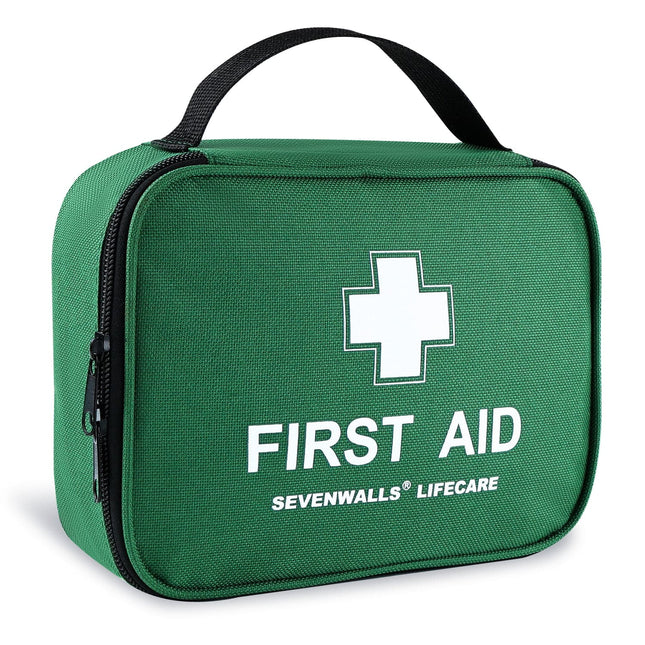
Every workplace should be prepared to respond quickly and safely if a fire or another serious emergency occurs. While preventing fires is a key part of workplace health and safety, employers should also have clear evacuation procedures and suitable first aid arrangements to protect employees, visitors and contractors.
During an emergency, confusion can delay evacuation and increase the risk of injury. Well-planned procedures, trained staff, clear communication and appropriate first aid provision can help reduce the impact of an incident until emergency services arrive.
This guide explains how fire evacuation and workplace first aid work together, including employer responsibilities, evacuation planning, assembly points, visitors, fire wardens, first aid equipment and emergency procedures.
This information is general guidance and should not be considered legal advice.
Why fire evacuation planning matters
Fire emergencies can develop quickly. Smoke, heat, alarms and panic may make even familiar workplaces difficult to navigate.
A well-planned evacuation procedure helps people leave the building safely and supports emergency services when they arrive.
Good planning can also help:
Reduce confusion during emergencies
Help employees understand what to do
Support visitors and contractors
Improve communication with emergency services
Ensure injured people receive assistance where safe to do so
A workplace fire emergency is any situation where fire, smoke or a related hazard creates an immediate risk to people on site.
Examples include:
Building fires
Smoke entering occupied areas
Electrical fires
Chemical fires
Gas leaks requiring evacuation
Explosions or suspected explosions
Fire alarms requiring evacuation
Not every emergency involves visible flames. Smoke, fumes, heat or a suspected fire can still require immediate evacuation.
Employer responsibilities during fire emergencies
Employers should have emergency arrangements that are suitable for their workplace. The exact arrangements depend on the size, layout, activities and risks of the premises.
Emergency planning may include:
Fire evacuation procedures
Clearly identified escape routes
Emergency assembly points
Fire wardens or marshals where appropriate
First aid arrangements
Emergency contact procedures
Staff training and inductions
Regular fire drills
Fire evacuation planning should be linked with wider first aid and emergency response arrangements.
Every workplace should have a clear evacuation procedure that employees understand. The exact procedure will depend on the building and risk assessment, but most workplace evacuations follow similar principles.
Step
Action
1
Raise the alarm immediately.
2
Call 999 if required.
3
Leave the building using the nearest safe exit.
4
Do not stop to collect personal belongings.
5
Do not use lifts unless they are specifically designed for emergency evacuation.
6
Go directly to the designated assembly point.
7
Report missing persons or concerns to the responsible person.
8
Do not re-enter the building until authorised.
Assembly points
An assembly point is a designated safe location where people gather after evacuating the building.
Assembly points help employers account for employees, visitors and contractors after evacuation. They should be clearly communicated during inductions and drills.
A suitable assembly point should be:
Clearly identified
Far enough away from the building
Accessible to employees and visitors
Away from emergency vehicle access routes where possible
Known to staff and regular site users
Accounting for employees, visitors and contractors
During a fire evacuation, it is important to account for everyone who may have been inside the building.
This may include:
Employees
Visitors
Contractors
Delivery drivers
Agency workers
Members of the public
Visitor signing-in systems, contractor registers and staff attendance records can help support roll calls or other accounting procedures.
Some individuals may require additional assistance to leave a building safely during an emergency. A Personal Emergency Evacuation Plan (PEEP) is an individual plan developed to help someone evacuate safely if they cannot follow the standard evacuation procedure without support.
A PEEP may be appropriate for people with:
Mobility impairments
Visual impairments
Hearing impairments
Temporary injuries
Medical conditions affecting mobility
PEEPs should be reviewed whenever workplace layouts, responsibilities or individual circumstances change.
Fire wardens and fire marshals
Many organisations appoint fire wardens or fire marshals to assist with emergency evacuations.
Their responsibilities vary between workplaces but may include:
Helping raise the alarm
Directing people towards safe exits
Checking designated areas where safe to do so
Assisting visitors
Helping account for occupants at the assembly point
Providing information to the emergency services
Fire wardens should never place themselves at unnecessary risk while carrying out their duties.
First aid during fire emergencies
Although evacuation is usually the priority, injuries can occur before, during or after leaving the building.
Common injuries may include:
Minor burns
Smoke inhalation
Cuts and lacerations
Sprains and strains
Trips and falls
Shock
Where it is safe to do so, trained first aiders may assist injured people until emergency services arrive.
Failing to review emergency procedures after incidents
Key takeaway
Fire evacuation planning and workplace first aid should work together as part of an effective emergency response strategy.
Clear procedures, trained employees, suitable first aid arrangements, regular fire drills and effective communication help protect employees, visitors and contractors while improving workplace preparedness.
Fire Evacuation & First Aid During Emergencies — FAQ
Who should leave the building during a fire alarm?
Everyone should follow the workplace evacuation procedure immediately unless instructed otherwise by the emergency services or another authorised person.
What is an assembly point?
An assembly point is a designated safe location where employees, visitors and contractors gather after evacuating a building so they can be accounted for.
What is a Personal Emergency Evacuation Plan (PEEP)?
A PEEP is an individual evacuation plan developed for someone who may require additional assistance leaving a building safely during an emergency.
Can first aid be provided during a fire emergency?
Where it is safe to do so, trained first aiders may assist injured people while following workplace emergency procedures and without placing themselves at unnecessary risk.
Should visitors follow the same evacuation procedure as employees?
Yes. Visitors should leave the building using the nearest safe exit and proceed to the designated assembly point with assistance from employees if required.
How often should workplaces carry out fire drills?
Fire drills should be carried out often enough to ensure employees remain familiar with evacuation procedures and any changes to the workplace or emergency arrangements.
Who is responsible for calling 999 during a workplace fire?
Each workplace should have a clear emergency procedure identifying who is responsible for contacting the emergency services during a fire or other emergency.
1-2 days delivery
FirstAidKitsUK offers free delivery on all UK orders via Royal Mail 48 Tracked. We offer free next-day delivery on all orders over £30 via Royal Mail 24 Tracked.
Royal Mail 48 Tracked: Orders placed before 16:00 pm are dispatched the same day Mon-Fri, and 11:00 pm Sat. Orders after this threshold will be dispatched the next working day. Delivery takes 2 days, including Saturdays. This service is free for all orders.
Royal Mail 24 Tracked: Orders placed before 16:00 pm Mon-Fri, before 11pm Saturday are dispatched the same day. Orders after this threshold will be dispatched the next working day. Delivery will take place the next working day. This service is free for orders over £30. The charge for this service is £3.99 for orders under £30.
This may not be available during public holidays or weekends in between public holidays.
1-2 days delivery
FirstAidKitsUK offers free delivery on all UK orders via Royal Mail 48 Tracked. We offer free next-day delivery on all orders over £30 via Royal Mail 24 Tracked.
Royal Mail 48 Tracked: Orders placed before 16:00 pm are dispatched the same day Mon-Fri, and 11:00 pm Sat. Orders after this threshold will be dispatched the next working day. Delivery takes 2 days, including Saturdays. This service is free for all orders.
Royal Mail 24 Tracked: Orders placed before 16:00 pm Mon-Fri, before 11pm Saturday are dispatched the same day. Orders after this threshold will be dispatched the next working day. Delivery will take place the next working day. This service is free for orders over £30. The charge for this service is £3.99 for orders under £30.
This may not be available during public holidays or weekends in between public holidays.
1-2 days delivery
FirstAidKitsUK offers free delivery on all UK orders via Royal Mail 48 Tracked. We offer free next-day delivery on all orders over £30 via Royal Mail 24 Tracked.
Royal Mail 48 Tracked: Orders placed before 16:00 pm are dispatched the same day Mon-Fri, and 11:00 pm Sat. Orders after this threshold will be dispatched the next working day. Delivery takes 2 days, including Saturdays. This service is free for all orders.
Royal Mail 24 Tracked: Orders placed before 16:00 pm Mon-Fri, before 11pm Saturday are dispatched the same day. Orders after this threshold will be dispatched the next working day. Delivery will take place the next working day. This service is free for orders over £30. The charge for this service is £3.99 for orders under £30.
This may not be available during public holidays or weekends in between public holidays.
1-2 days delivery
FirstAidKitsUK offers free delivery on all UK orders via Royal Mail 48 Tracked. We offer free next-day delivery on all orders over £30 via Royal Mail 24 Tracked.
Royal Mail 48 Tracked: Orders placed before 16:00 pm are dispatched the same day Mon-Fri, and 11:00 pm Sat. Orders after this threshold will be dispatched the next working day. Delivery takes 2 days, including Saturdays. This service is free for all orders.
Royal Mail 24 Tracked: Orders placed before 16:00 pm Mon-Fri, before 11pm Saturday are dispatched the same day. Orders after this threshold will be dispatched the next working day. Delivery will take place the next working day. This service is free for orders over £30. The charge for this service is £3.99 for orders under £30.
This may not be available during public holidays or weekends in between public holidays.
1-2 days delivery
FirstAidKitsUK offers free delivery on all UK orders via Royal Mail 48 Tracked. We offer free next-day delivery on all orders over £30 via Royal Mail 24 Tracked.
Royal Mail 48 Tracked: Orders placed before 16:00 pm are dispatched the same day Mon-Fri, and 11:00 pm Sat. Orders after this threshold will be dispatched the next working day. Delivery takes 2 days, including Saturdays. This service is free for all orders.
Royal Mail 24 Tracked: Orders placed before 16:00 pm Mon-Fri, before 11pm Saturday are dispatched the same day. Orders after this threshold will be dispatched the next working day. Delivery will take place the next working day. This service is free for orders over £30. The charge for this service is £3.99 for orders under £30.
This may not be available during public holidays or weekends in between public holidays.
1-2 days delivery
FirstAidKitsUK offers free delivery on all UK orders via Royal Mail 48 Tracked. We offer free next-day delivery on all orders over £30 via Royal Mail 24 Tracked.
Royal Mail 48 Tracked: Orders placed before 16:00 pm are dispatched the same day Mon-Fri, and 11:00 pm Sat. Orders after this threshold will be dispatched the next working day. Delivery takes 2 days, including Saturdays. This service is free for all orders.
Royal Mail 24 Tracked: Orders placed before 16:00 pm Mon-Fri, before 11pm Saturday are dispatched the same day. Orders after this threshold will be dispatched the next working day. Delivery will take place the next working day. This service is free for orders over £30. The charge for this service is £3.99 for orders under £30.
This may not be available during public holidays or weekends in between public holidays.
1-2 days delivery
FirstAidKitsUK offers free delivery on all UK orders via Royal Mail 48 Tracked. We offer free next-day delivery on all orders over £30 via Royal Mail 24 Tracked.
Royal Mail 48 Tracked: Orders placed before 16:00 pm are dispatched the same day Mon-Fri, and 11:00 pm Sat. Orders after this threshold will be dispatched the next working day. Delivery takes 2 days, including Saturdays. This service is free for all orders.
Royal Mail 24 Tracked: Orders placed before 16:00 pm Mon-Fri, before 11pm Saturday are dispatched the same day. Orders after this threshold will be dispatched the next working day. Delivery will take place the next working day. This service is free for orders over £30. The charge for this service is £3.99 for orders under £30.
This may not be available during public holidays or weekends in between public holidays.