Human and animal bites can cause puncture wounds, cuts, bruising and tissue damage. Even when a bite looks relatively small, bacteria from the mouth can enter broken skin and cause infection.
Bites from dogs, cats and people are among the more common injuries, but other mammals can also bite. The correct response depends on how deep the wound is, where it is located, whether bleeding is controlled and whether there is a risk of infection, tetanus or rabies.
This guide explains how to clean and dress a bite, when to contact NHS 111, when to go to A&E and what to do if a bite causes severe bleeding or removes part of a finger, ear or another body part.
Why can bites be serious?
Teeth can push bacteria deep into tissue, particularly when they create narrow puncture wounds.
A bite may cause:
broken skin;
puncture wounds;
cuts and tearing;
bruising;
damage to tendons, nerves or joints;
heavy bleeding;
infection.
The seriousness of the injury cannot always be judged by the amount of blood visible on the surface.
What should you do immediately after a bite?
If an animal or human bite has broken the skin:
make sure you and the casualty are safe from further injury;
wash the wound thoroughly using soap and warm water;
control any significant bleeding with firm pressure using a clean dressing or cloth;
gently pat the wound dry;
cover it with a clean or sterile dressing;
decide whether medical assessment is required.
NHS guidance also advises gently encouraging a small bite wound to bleed slightly after cleaning, unless it is already bleeding significantly.
Human and animal bite first aid at a glance
Situation
What to do
Medical help
Minor bite that breaks the skin
Wash thoroughly with soap and warm water, dry and cover with a clean dressing.
Monitor closely and seek advice if infection or other risk factors are present.
Heavy bleeding
Apply firm direct pressure with a clean dressing or cloth.
Go to A&E if bleeding will not stop.
Large or deep wound
Control bleeding and cover the wound.
Go to A&E.
Bite to hand, foot, face or head
Clean and cover the wound.
Contact NHS 111 for urgent advice.
Human bite
Wash and dress the wound.
Seek urgent medical advice because additional infection risks need assessment.
Possible rabies exposure
Wash the wound thoroughly.
Seek urgent medical advice.
How should you clean an animal bite?
Wash the wound thoroughly using soap and warm water.
This is important because animal mouths contain bacteria that can enter damaged tissue.
After cleaning:
gently pat the area dry;
avoid unnecessarily touching the wound;
cover it with a clean sterile dressing;
monitor it for signs of infection.
Do not scrub aggressively into a deep wound.
How should you stop bleeding from a bite?
If a bite is bleeding heavily, press a dry sterile dressing or clean cloth firmly against the wound.
Keep steady pressure on the wound rather than repeatedly lifting the dressing to check it.
If the bleeding is severe and will not stop, the casualty should go to A&E.
Some occupations have greater exposure to animal bites, including:
veterinary work;
animal rescue;
farming;
dog handling;
delivery work;
security work;
postal and courier services.
A workplace risk assessment should consider foreseeable animal-contact risks, suitable first aid provision and how workers will obtain medical assistance.
What first aid equipment is useful for bites?
Useful general first aid supplies can include:
disposable gloves;
sterile gauze;
sterile wound dressings;
larger dressings for heavier bleeding;
plasters for appropriate minor wounds.
Access to soap and clean running water is especially important because thorough washing is one of the key first aid steps after a bite.
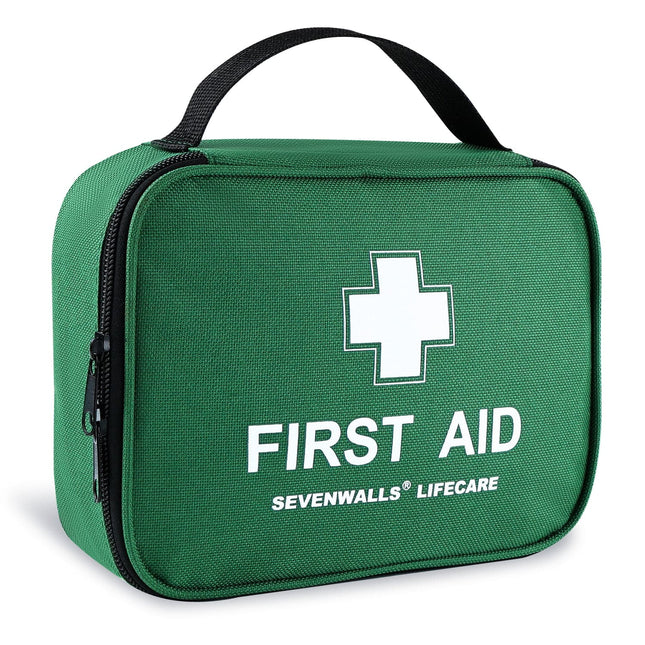
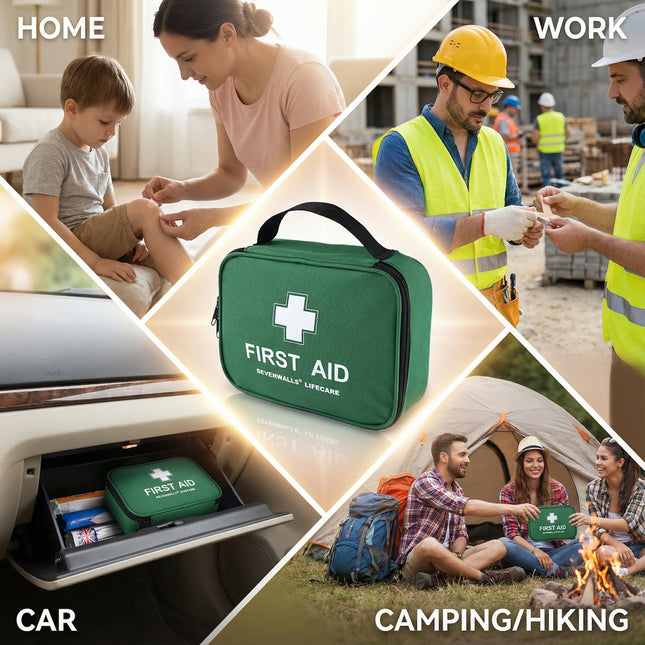
You can view our range of first aid kits for workplace, home, travel and general use.
Common mistakes after an animal or human bite
Common mistakes include:
assuming a small puncture wound cannot become infected;
failing to wash the wound thoroughly;
ignoring bites to the hand;
waiting for infection to become severe before seeking help;
pulling deeply embedded material from a wound;
ignoring tetanus vaccination status;
overlooking rabies risk after bites abroad;
treating a human bite as an ordinary cut;
putting a detached body part directly on ice;
failing to control heavy bleeding first.
Quick human and animal bite checklist
Situation
What to do
Bite breaks the skin
Wash thoroughly with soap and warm water, dry and cover with a clean dressing.
Heavy bleeding
Apply firm direct pressure with a dressing or clean cloth.
Large or deep wound
Go to A&E.
Bleeding will not stop
Go to A&E or call 999 if emergency ambulance help is required.
Hand, foot, face or head bite
Contact NHS 111 for urgent advice.
Human bite
Contact NHS 111 for medical assessment.
Signs of infection
Seek urgent medical advice.
Possible rabies exposure
Wash thoroughly and obtain urgent medical advice.
Body part torn off
Wrap it in clean tissue, place it in a plastic bag, put ice around the bag and take it to hospital.
Official NHS and first aid guidance
The NHS provides current guidance on animal and human bites, including wound cleaning, signs of infection, tetanus and rabies assessment and when to contact NHS 111 or attend A&E.
What should you do after an animal bite breaks the skin?
Wash the wound thoroughly with soap and warm water. Control significant bleeding with firm pressure, gently dry the wound and cover it with a clean or sterile dressing.
When should you contact NHS 111 after a bite?
Contact NHS 111 if the bite is on the hand, foot, face or head, was caused by another person, may contain foreign material, shows signs of infection, presents a possible rabies risk, or there are concerns about tetanus vaccination.
When should an animal bite go to A&E?
Go to A&E if the wound is large or deep or if you cannot stop the bleeding. Call 999 if the injury is immediately life-threatening or ambulance assistance is required.
Why are cat bites sometimes serious?
Cats have sharp teeth that can create deep, narrow puncture wounds. These wounds may carry bacteria beneath the skin even when the surface injury looks small.
Do human bites need medical attention?
Yes. NHS guidance advises contacting NHS 111 if you have been bitten by another person. Human bites can become infected and may also require assessment for blood-borne infection risks.
What should you do with a body part that has been bitten off?
Wrap the detached part in clean tissue and place it in a plastic bag. Put ice around the bag rather than directly against the body part, and take it with the casualty to hospital.
1-2 days delivery
FirstAidKitsUK offers free delivery on all UK orders via Royal Mail 48 Tracked. We offer free next-day delivery on all orders over £30 via Royal Mail 24 Tracked.
Royal Mail 48 Tracked: Orders placed before 16:00 pm are dispatched the same day Mon-Fri, and 11:00 pm Sat. Orders after this threshold will be dispatched the next working day. Delivery takes 2 days, including Saturdays. This service is free for all orders.
Royal Mail 24 Tracked: Orders placed before 16:00 pm Mon-Fri, before 11pm Saturday are dispatched the same day. Orders after this threshold will be dispatched the next working day. Delivery will take place the next working day. This service is free for orders over £30. The charge for this service is £3.99 for orders under £30.
This may not be available during public holidays or weekends in between public holidays.
1-2 days delivery
FirstAidKitsUK offers free delivery on all UK orders via Royal Mail 48 Tracked. We offer free next-day delivery on all orders over £30 via Royal Mail 24 Tracked.
Royal Mail 48 Tracked: Orders placed before 16:00 pm are dispatched the same day Mon-Fri, and 11:00 pm Sat. Orders after this threshold will be dispatched the next working day. Delivery takes 2 days, including Saturdays. This service is free for all orders.
Royal Mail 24 Tracked: Orders placed before 16:00 pm Mon-Fri, before 11pm Saturday are dispatched the same day. Orders after this threshold will be dispatched the next working day. Delivery will take place the next working day. This service is free for orders over £30. The charge for this service is £3.99 for orders under £30.
This may not be available during public holidays or weekends in between public holidays.
1-2 days delivery
FirstAidKitsUK offers free delivery on all UK orders via Royal Mail 48 Tracked. We offer free next-day delivery on all orders over £30 via Royal Mail 24 Tracked.
Royal Mail 48 Tracked: Orders placed before 16:00 pm are dispatched the same day Mon-Fri, and 11:00 pm Sat. Orders after this threshold will be dispatched the next working day. Delivery takes 2 days, including Saturdays. This service is free for all orders.
Royal Mail 24 Tracked: Orders placed before 16:00 pm Mon-Fri, before 11pm Saturday are dispatched the same day. Orders after this threshold will be dispatched the next working day. Delivery will take place the next working day. This service is free for orders over £30. The charge for this service is £3.99 for orders under £30.
This may not be available during public holidays or weekends in between public holidays.
1-2 days delivery
FirstAidKitsUK offers free delivery on all UK orders via Royal Mail 48 Tracked. We offer free next-day delivery on all orders over £30 via Royal Mail 24 Tracked.
Royal Mail 48 Tracked: Orders placed before 16:00 pm are dispatched the same day Mon-Fri, and 11:00 pm Sat. Orders after this threshold will be dispatched the next working day. Delivery takes 2 days, including Saturdays. This service is free for all orders.
Royal Mail 24 Tracked: Orders placed before 16:00 pm Mon-Fri, before 11pm Saturday are dispatched the same day. Orders after this threshold will be dispatched the next working day. Delivery will take place the next working day. This service is free for orders over £30. The charge for this service is £3.99 for orders under £30.
This may not be available during public holidays or weekends in between public holidays.
1-2 days delivery
FirstAidKitsUK offers free delivery on all UK orders via Royal Mail 48 Tracked. We offer free next-day delivery on all orders over £30 via Royal Mail 24 Tracked.
Royal Mail 48 Tracked: Orders placed before 16:00 pm are dispatched the same day Mon-Fri, and 11:00 pm Sat. Orders after this threshold will be dispatched the next working day. Delivery takes 2 days, including Saturdays. This service is free for all orders.
Royal Mail 24 Tracked: Orders placed before 16:00 pm Mon-Fri, before 11pm Saturday are dispatched the same day. Orders after this threshold will be dispatched the next working day. Delivery will take place the next working day. This service is free for orders over £30. The charge for this service is £3.99 for orders under £30.
This may not be available during public holidays or weekends in between public holidays.
1-2 days delivery
FirstAidKitsUK offers free delivery on all UK orders via Royal Mail 48 Tracked. We offer free next-day delivery on all orders over £30 via Royal Mail 24 Tracked.
Royal Mail 48 Tracked: Orders placed before 16:00 pm are dispatched the same day Mon-Fri, and 11:00 pm Sat. Orders after this threshold will be dispatched the next working day. Delivery takes 2 days, including Saturdays. This service is free for all orders.
Royal Mail 24 Tracked: Orders placed before 16:00 pm Mon-Fri, before 11pm Saturday are dispatched the same day. Orders after this threshold will be dispatched the next working day. Delivery will take place the next working day. This service is free for orders over £30. The charge for this service is £3.99 for orders under £30.
This may not be available during public holidays or weekends in between public holidays.
1-2 days delivery
FirstAidKitsUK offers free delivery on all UK orders via Royal Mail 48 Tracked. We offer free next-day delivery on all orders over £30 via Royal Mail 24 Tracked.
Royal Mail 48 Tracked: Orders placed before 16:00 pm are dispatched the same day Mon-Fri, and 11:00 pm Sat. Orders after this threshold will be dispatched the next working day. Delivery takes 2 days, including Saturdays. This service is free for all orders.
Royal Mail 24 Tracked: Orders placed before 16:00 pm Mon-Fri, before 11pm Saturday are dispatched the same day. Orders after this threshold will be dispatched the next working day. Delivery will take place the next working day. This service is free for orders over £30. The charge for this service is £3.99 for orders under £30.
This may not be available during public holidays or weekends in between public holidays.