Parents want to keep their children safe, but even with the best intentions, it’s easy to overlook important details when it comes to first aid kits. From relying on one generic kit to forgetting child-appropriate items, these common mistakes can cause delays or problems when accidents happen. Here’s how to fix them and keep your family better prepared.
Why First Aid Kits Matter for Families
Children are prone to bumps, grazes, insect bites, allergies and sudden fevers. A well-stocked first aid kit ensures you can respond quickly and calmly, whether you're at home, on a day out, or away on holiday. A customised, regularly maintained kit helps prevent panic and allows parents to focus on care rather than searching for missing supplies.
Mistake 1: Relying on One Generic Kit for Everything
Many parents keep a single kit for home, travel, the car and outdoor use. While convenient, this often leads to missing items, disorganisation and slower response times.
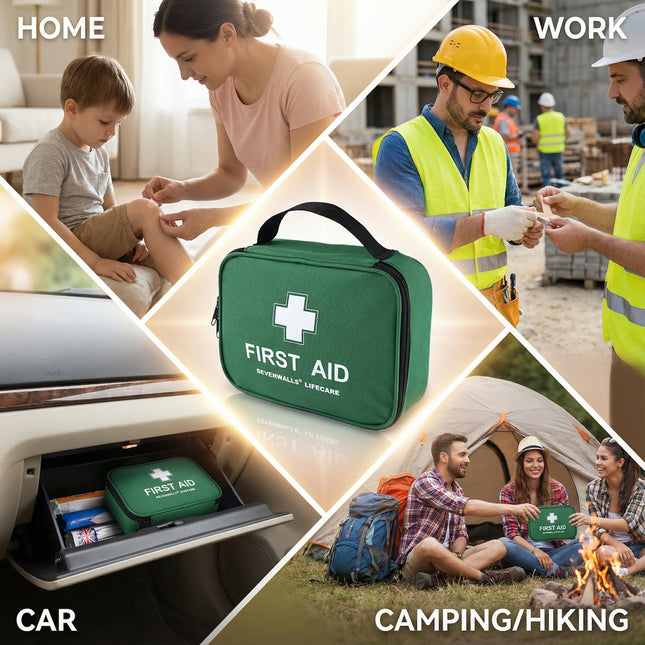
How to fix it: Create separate or modular kits for different situations — for example, one for home, one compact travel kit, and one for the car.
Standard kits are often built for adults. Using adult-strength medication or large plasters for children can be uncomfortable or unsuitable.
How to fix it: Add child-friendly plasters, liquid antihistamines, age-appropriate pain relief (paracetamol/ibuprofen), a digital thermometer, and any baby-specific items if needed.
Mistake 3: Forgetting to Replace Used or Expired Items
Busy family life makes it easy to forget when something’s been used. Over time, kits can become incomplete or contain expired items.
How to fix it: Schedule a quick check every 3–6 months, and restock immediately after use. Keep a simple checklist inside the kit to tick off used items.
Mistake 4: Storing the Kit Out of Reach — Even for Adults
It’s important to keep first aid kits away from young children, but some parents store them so high or tucked away that even adults can’t get to them quickly in an emergency.
How to fix it: Store kits securely but accessibly. Make sure older children and other adults know where the kit is kept.
Leaving out inhalers, EpiPens or other prescribed medications can be critical during emergencies.
How to fix it: Include all relevant personal medication, stored safely and clearly labelled. Check expiry dates regularly and keep spares where possible.
Summary Table
Mistake
Why It’s a Problem
How to Fix It
One generic kit
Not tailored for different situations
Create separate home, car & travel kits
No child-appropriate items
Adult medication or plasters may be unsuitable
Add child-specific supplies and medication
Expired / missing items
Supplies may fail in emergencies
Check and restock regularly
Poor storage
Delays in emergencies
Store securely but accessibly
No seasonal adaptation
Unprepared for common outdoor risks
Add seasonal items like sting cream or blankets
Missing personal meds
Critical items not available
Include and maintain inhalers, EpiPens, prescriptions
Parents & First Aid Kits — FAQ
How often should parents check their first aid kits?
Every 3–6 months, after any use, and before trips. Restock and replace expired items promptly.
Can I keep children’s medication inside the first aid kit?
Yes — if stored safely, clearly labelled and within expiry. Keep it out of children’s reach but accessible to adults.
Should I have separate kits for home and travel?
Yes. It ensures you’re always prepared and reduces the chance of forgetting items when you’re on the move.
What’s the best way to store a kit away from children but still accessibly?
Use a high cupboard with a childproof lock or a wall-mounted box. Ensure adults know its exact location.
Do I need to follow BS 8599-1 for a family first aid kit?
No, but using it as a reference helps you include the right core items while adapting for your family’s needs.
1-2 days delivery
FirstAidKitsUK offers free delivery on all UK orders via Royal Mail 48 Tracked. We offer free next-day delivery on all orders over £30 via Royal Mail 24 Tracked.
Royal Mail 48 Tracked: Orders placed before 16:00 pm are dispatched the same day Mon-Fri, and 11:00 pm Sat. Orders after this threshold will be dispatched the next working day. Delivery takes 2 days, including Saturdays. This service is free for all orders.
Royal Mail 24 Tracked: Orders placed before 16:00 pm Mon-Fri, before 11pm Saturday are dispatched the same day. Orders after this threshold will be dispatched the next working day. Delivery will take place the next working day. This service is free for orders over £30. The charge for this service is £3.99 for orders under £30.
This may not be available during public holidays or weekends in between public holidays.
1-2 days delivery
FirstAidKitsUK offers free delivery on all UK orders via Royal Mail 48 Tracked. We offer free next-day delivery on all orders over £30 via Royal Mail 24 Tracked.
Royal Mail 48 Tracked: Orders placed before 16:00 pm are dispatched the same day Mon-Fri, and 11:00 pm Sat. Orders after this threshold will be dispatched the next working day. Delivery takes 2 days, including Saturdays. This service is free for all orders.
Royal Mail 24 Tracked: Orders placed before 16:00 pm Mon-Fri, before 11pm Saturday are dispatched the same day. Orders after this threshold will be dispatched the next working day. Delivery will take place the next working day. This service is free for orders over £30. The charge for this service is £3.99 for orders under £30.
This may not be available during public holidays or weekends in between public holidays.
1-2 days delivery
FirstAidKitsUK offers free delivery on all UK orders via Royal Mail 48 Tracked. We offer free next-day delivery on all orders over £30 via Royal Mail 24 Tracked.
Royal Mail 48 Tracked: Orders placed before 16:00 pm are dispatched the same day Mon-Fri, and 11:00 pm Sat. Orders after this threshold will be dispatched the next working day. Delivery takes 2 days, including Saturdays. This service is free for all orders.
Royal Mail 24 Tracked: Orders placed before 16:00 pm Mon-Fri, before 11pm Saturday are dispatched the same day. Orders after this threshold will be dispatched the next working day. Delivery will take place the next working day. This service is free for orders over £30. The charge for this service is £3.99 for orders under £30.
This may not be available during public holidays or weekends in between public holidays.
1-2 days delivery
FirstAidKitsUK offers free delivery on all UK orders via Royal Mail 48 Tracked. We offer free next-day delivery on all orders over £30 via Royal Mail 24 Tracked.
Royal Mail 48 Tracked: Orders placed before 16:00 pm are dispatched the same day Mon-Fri, and 11:00 pm Sat. Orders after this threshold will be dispatched the next working day. Delivery takes 2 days, including Saturdays. This service is free for all orders.
Royal Mail 24 Tracked: Orders placed before 16:00 pm Mon-Fri, before 11pm Saturday are dispatched the same day. Orders after this threshold will be dispatched the next working day. Delivery will take place the next working day. This service is free for orders over £30. The charge for this service is £3.99 for orders under £30.
This may not be available during public holidays or weekends in between public holidays.
1-2 days delivery
FirstAidKitsUK offers free delivery on all UK orders via Royal Mail 48 Tracked. We offer free next-day delivery on all orders over £30 via Royal Mail 24 Tracked.
Royal Mail 48 Tracked: Orders placed before 16:00 pm are dispatched the same day Mon-Fri, and 11:00 pm Sat. Orders after this threshold will be dispatched the next working day. Delivery takes 2 days, including Saturdays. This service is free for all orders.
Royal Mail 24 Tracked: Orders placed before 16:00 pm Mon-Fri, before 11pm Saturday are dispatched the same day. Orders after this threshold will be dispatched the next working day. Delivery will take place the next working day. This service is free for orders over £30. The charge for this service is £3.99 for orders under £30.
This may not be available during public holidays or weekends in between public holidays.
1-2 days delivery
FirstAidKitsUK offers free delivery on all UK orders via Royal Mail 48 Tracked. We offer free next-day delivery on all orders over £30 via Royal Mail 24 Tracked.
Royal Mail 48 Tracked: Orders placed before 16:00 pm are dispatched the same day Mon-Fri, and 11:00 pm Sat. Orders after this threshold will be dispatched the next working day. Delivery takes 2 days, including Saturdays. This service is free for all orders.
Royal Mail 24 Tracked: Orders placed before 16:00 pm Mon-Fri, before 11pm Saturday are dispatched the same day. Orders after this threshold will be dispatched the next working day. Delivery will take place the next working day. This service is free for orders over £30. The charge for this service is £3.99 for orders under £30.
This may not be available during public holidays or weekends in between public holidays.
1-2 days delivery
FirstAidKitsUK offers free delivery on all UK orders via Royal Mail 48 Tracked. We offer free next-day delivery on all orders over £30 via Royal Mail 24 Tracked.
Royal Mail 48 Tracked: Orders placed before 16:00 pm are dispatched the same day Mon-Fri, and 11:00 pm Sat. Orders after this threshold will be dispatched the next working day. Delivery takes 2 days, including Saturdays. This service is free for all orders.
Royal Mail 24 Tracked: Orders placed before 16:00 pm Mon-Fri, before 11pm Saturday are dispatched the same day. Orders after this threshold will be dispatched the next working day. Delivery will take place the next working day. This service is free for orders over £30. The charge for this service is £3.99 for orders under £30.
This may not be available during public holidays or weekends in between public holidays.