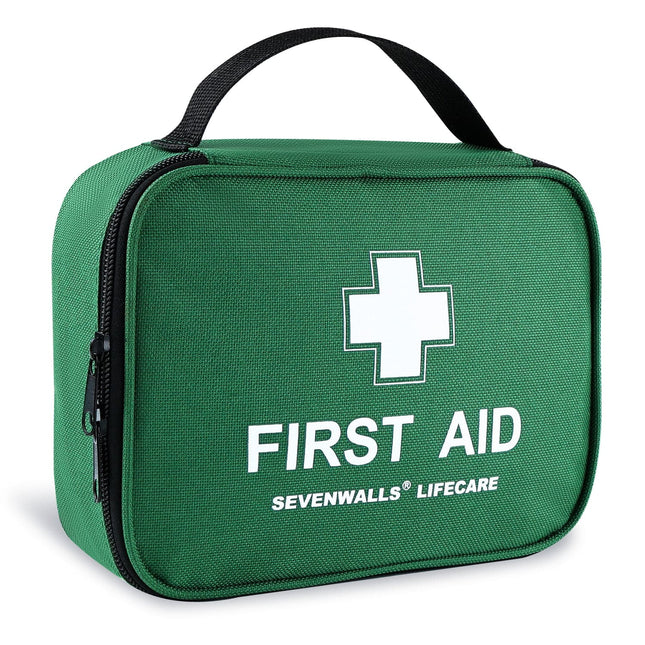
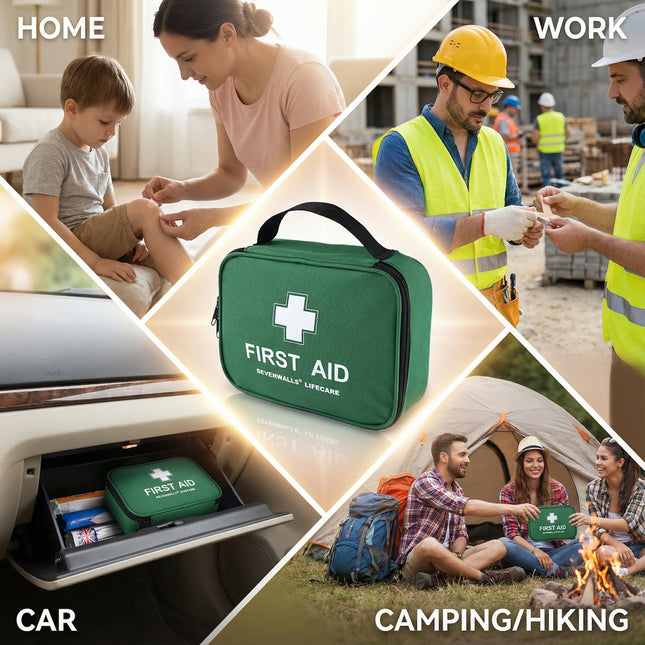
Knowing how to use a first aid kit correctly can make a real difference when someone is hurt or unwell. From cuts and burns to fainting or bleeding, your response in the first few minutes matters most. This UK guide walks you through how to assess the situation, use essential supplies, and stay calm until professional help arrives.
Disclaimer: This article is for general awareness and not a substitute for certified first aid training.
Why It’s Important to Know How to Use a First Aid Kit
Quick action prevents minor injuries from becoming serious.
Using supplies correctly avoids contamination or further harm.
Prepared responders stay calmer under pressure.
Employers and travellers meet HSE and insurance expectations.
❌ Moving someone with a suspected neck or spine injury
❌ Applying creams or ice directly to open wounds
❌ Not restocking the kit after use
Be Prepared Before Emergencies Happen
Practice basic first aid skills and review your kit contents regularly. Every home, car, and workplace should have at least one complete first aid kit — ideally one that meets BS 8599 UK standards. For guidance, see our Home First Aid Kit Guide or Travel Checklist.
Using a First Aid Kit — FAQ
Do I need training to use a first aid kit?
You don’t need certification for basic use, but taking an accredited first aid course builds confidence and ensures correct technique.
Can I use a first aid kit on someone outside my household?
Yes — first aiders are protected when helping in good faith. Always use gloves and avoid unnecessary contact with body fluids.
What should I do if I run out of supplies?
Use a clean alternative temporarily, then restock immediately. See our Refills Guide.
Can expired items still be used?
No — expiry dates ensure sterility and safety. Dispose of expired items safely using our Disposal Guide.
What are the most important items to learn how to use?
Dressings, bandages, burn pads, and eye wash pods are the essentials. Familiarise yourself with these first.
Can children be taught to use a first aid kit?
Yes — supervised teaching helps build early awareness. Focus on plasters, cleaning wipes, and when to call 999.
1-2 days delivery
FirstAidKitsUK offers free delivery on all UK orders via Royal Mail 48 Tracked. We offer free next-day delivery on all orders over £30 via Royal Mail 24 Tracked.
Royal Mail 48 Tracked: Orders placed before 16:00 pm are dispatched the same day Mon-Fri, and 11:00 pm Sat. Orders after this threshold will be dispatched the next working day. Delivery takes 2 days, including Saturdays. This service is free for all orders.
Royal Mail 24 Tracked: Orders placed before 16:00 pm Mon-Fri, before 11pm Saturday are dispatched the same day. Orders after this threshold will be dispatched the next working day. Delivery will take place the next working day. This service is free for orders over £30. The charge for this service is £3.99 for orders under £30.
This may not be available during public holidays or weekends in between public holidays.
1-2 days delivery
FirstAidKitsUK offers free delivery on all UK orders via Royal Mail 48 Tracked. We offer free next-day delivery on all orders over £30 via Royal Mail 24 Tracked.
Royal Mail 48 Tracked: Orders placed before 16:00 pm are dispatched the same day Mon-Fri, and 11:00 pm Sat. Orders after this threshold will be dispatched the next working day. Delivery takes 2 days, including Saturdays. This service is free for all orders.
Royal Mail 24 Tracked: Orders placed before 16:00 pm Mon-Fri, before 11pm Saturday are dispatched the same day. Orders after this threshold will be dispatched the next working day. Delivery will take place the next working day. This service is free for orders over £30. The charge for this service is £3.99 for orders under £30.
This may not be available during public holidays or weekends in between public holidays.
1-2 days delivery
FirstAidKitsUK offers free delivery on all UK orders via Royal Mail 48 Tracked. We offer free next-day delivery on all orders over £30 via Royal Mail 24 Tracked.
Royal Mail 48 Tracked: Orders placed before 16:00 pm are dispatched the same day Mon-Fri, and 11:00 pm Sat. Orders after this threshold will be dispatched the next working day. Delivery takes 2 days, including Saturdays. This service is free for all orders.
Royal Mail 24 Tracked: Orders placed before 16:00 pm Mon-Fri, before 11pm Saturday are dispatched the same day. Orders after this threshold will be dispatched the next working day. Delivery will take place the next working day. This service is free for orders over £30. The charge for this service is £3.99 for orders under £30.
This may not be available during public holidays or weekends in between public holidays.
1-2 days delivery
FirstAidKitsUK offers free delivery on all UK orders via Royal Mail 48 Tracked. We offer free next-day delivery on all orders over £30 via Royal Mail 24 Tracked.
Royal Mail 48 Tracked: Orders placed before 16:00 pm are dispatched the same day Mon-Fri, and 11:00 pm Sat. Orders after this threshold will be dispatched the next working day. Delivery takes 2 days, including Saturdays. This service is free for all orders.
Royal Mail 24 Tracked: Orders placed before 16:00 pm Mon-Fri, before 11pm Saturday are dispatched the same day. Orders after this threshold will be dispatched the next working day. Delivery will take place the next working day. This service is free for orders over £30. The charge for this service is £3.99 for orders under £30.
This may not be available during public holidays or weekends in between public holidays.
1-2 days delivery
FirstAidKitsUK offers free delivery on all UK orders via Royal Mail 48 Tracked. We offer free next-day delivery on all orders over £30 via Royal Mail 24 Tracked.
Royal Mail 48 Tracked: Orders placed before 16:00 pm are dispatched the same day Mon-Fri, and 11:00 pm Sat. Orders after this threshold will be dispatched the next working day. Delivery takes 2 days, including Saturdays. This service is free for all orders.
Royal Mail 24 Tracked: Orders placed before 16:00 pm Mon-Fri, before 11pm Saturday are dispatched the same day. Orders after this threshold will be dispatched the next working day. Delivery will take place the next working day. This service is free for orders over £30. The charge for this service is £3.99 for orders under £30.
This may not be available during public holidays or weekends in between public holidays.
1-2 days delivery
FirstAidKitsUK offers free delivery on all UK orders via Royal Mail 48 Tracked. We offer free next-day delivery on all orders over £30 via Royal Mail 24 Tracked.
Royal Mail 48 Tracked: Orders placed before 16:00 pm are dispatched the same day Mon-Fri, and 11:00 pm Sat. Orders after this threshold will be dispatched the next working day. Delivery takes 2 days, including Saturdays. This service is free for all orders.
Royal Mail 24 Tracked: Orders placed before 16:00 pm Mon-Fri, before 11pm Saturday are dispatched the same day. Orders after this threshold will be dispatched the next working day. Delivery will take place the next working day. This service is free for orders over £30. The charge for this service is £3.99 for orders under £30.
This may not be available during public holidays or weekends in between public holidays.
1-2 days delivery
FirstAidKitsUK offers free delivery on all UK orders via Royal Mail 48 Tracked. We offer free next-day delivery on all orders over £30 via Royal Mail 24 Tracked.
Royal Mail 48 Tracked: Orders placed before 16:00 pm are dispatched the same day Mon-Fri, and 11:00 pm Sat. Orders after this threshold will be dispatched the next working day. Delivery takes 2 days, including Saturdays. This service is free for all orders.
Royal Mail 24 Tracked: Orders placed before 16:00 pm Mon-Fri, before 11pm Saturday are dispatched the same day. Orders after this threshold will be dispatched the next working day. Delivery will take place the next working day. This service is free for orders over £30. The charge for this service is £3.99 for orders under £30.
This may not be available during public holidays or weekends in between public holidays.