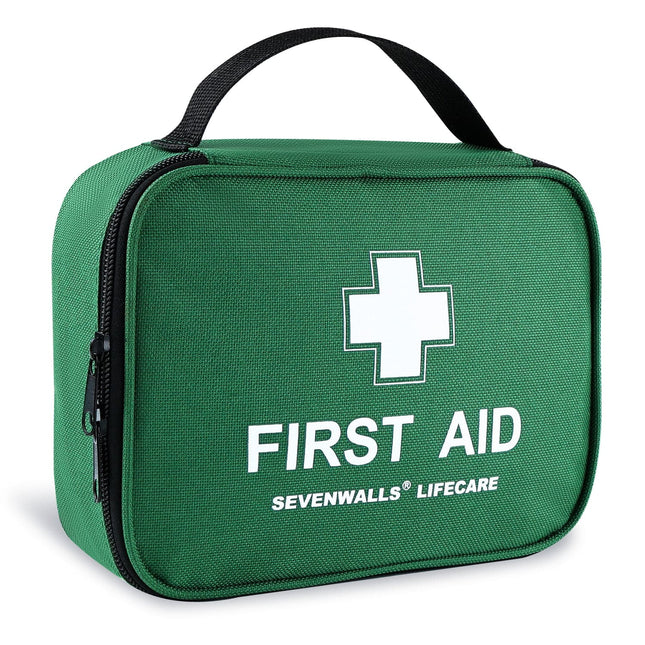
An inspection or visit from the Health and Safety Executive (HSE) or a local authority can be stressful, particularly if organisations are unsure what inspectors expect to see regarding first aid.
First aid is rarely inspected in isolation. Instead, it is reviewed as part of wider health and safety management. Understanding how inspections work helps organisations prepare confidently and avoid common issues.
This guide explains how to prepare for a first aid inspection or HSE visit in the UK, what inspectors typically look for, and how first aid fits into overall compliance.
Why first aid is checked during inspections
Inspectors assess first aid because it reflects how well risks are understood and managed.
First aid provision helps demonstrate whether an organisation:
Has identified foreseeable risks
Has put proportionate controls in place
Reviews arrangements when circumstances change
For inspectors, first aid is often a practical indicator of wider safety culture.
Is there a specific first aid inspection checklist?
There is no single mandatory checklist used by inspectors.
Instead, inspectors usually assess whether first aid arrangements are suitable for the risks present. This approach aligns with risk-based duties explained in UK First Aid Law Explained.
Having documentation and evidence readily available makes this assessment easier.
What inspectors typically look at
During an inspection or visit, inspectors may review:
Risk assessments that consider first aid needs
The availability and accessibility of first aid equipment
How first aid roles are assigned and communicated
Whether provision is reviewed and maintained
They may also speak to staff to assess awareness of first aid arrangements.
Risk assessment as the starting point
Risk assessment is central to inspection outcomes.
Inspectors often begin by asking:
What risks exist in this workplace?
How were those risks identified?
How does first aid provision reflect those risks?
Clear, up-to-date assessments help demonstrate that first aid decisions are reasoned and proportionate. A structured approach is explained in Workplace First Aid Risk Assessment (UK).
Comparing prepared vs unprepared first aid provision
Area reviewed
Well-prepared organisation
Common inspection concern
Risk assessment
Current and site-specific
Missing or outdated
First aid kits
Accessible and maintained
Blocked, incomplete or unclear
Roles and responsibilities
Clearly assigned
Unclear or informal
Review process
Documented and regular
No evidence of review
First aid equipment and accessibility
Inspectors may physically check first aid equipment.
They often consider whether:
Kits are easy to locate
Access routes are unobstructed
Contents appear suitable for the environment
Accessibility is as important as kit contents, particularly in larger or changing workplaces.
First aiders, appointed persons and staff awareness
1-2 days delivery
FirstAidKitsUK offers free delivery on all UK orders via Royal Mail 48 Tracked. We offer free next-day delivery on all orders over £30 via Royal Mail 24 Tracked.
Royal Mail 48 Tracked: Orders placed before 16:00 pm are dispatched the same day Mon-Fri, and 11:00 pm Sat. Orders after this threshold will be dispatched the next working day. Delivery takes 2 days, including Saturdays. This service is free for all orders.
Royal Mail 24 Tracked: Orders placed before 16:00 pm Mon-Fri, before 11pm Saturday are dispatched the same day. Orders after this threshold will be dispatched the next working day. Delivery will take place the next working day. This service is free for orders over £30. The charge for this service is £3.99 for orders under £30.
This may not be available during public holidays or weekends in between public holidays.
1-2 days delivery
FirstAidKitsUK offers free delivery on all UK orders via Royal Mail 48 Tracked. We offer free next-day delivery on all orders over £30 via Royal Mail 24 Tracked.
Royal Mail 48 Tracked: Orders placed before 16:00 pm are dispatched the same day Mon-Fri, and 11:00 pm Sat. Orders after this threshold will be dispatched the next working day. Delivery takes 2 days, including Saturdays. This service is free for all orders.
Royal Mail 24 Tracked: Orders placed before 16:00 pm Mon-Fri, before 11pm Saturday are dispatched the same day. Orders after this threshold will be dispatched the next working day. Delivery will take place the next working day. This service is free for orders over £30. The charge for this service is £3.99 for orders under £30.
This may not be available during public holidays or weekends in between public holidays.
1-2 days delivery
FirstAidKitsUK offers free delivery on all UK orders via Royal Mail 48 Tracked. We offer free next-day delivery on all orders over £30 via Royal Mail 24 Tracked.
Royal Mail 48 Tracked: Orders placed before 16:00 pm are dispatched the same day Mon-Fri, and 11:00 pm Sat. Orders after this threshold will be dispatched the next working day. Delivery takes 2 days, including Saturdays. This service is free for all orders.
Royal Mail 24 Tracked: Orders placed before 16:00 pm Mon-Fri, before 11pm Saturday are dispatched the same day. Orders after this threshold will be dispatched the next working day. Delivery will take place the next working day. This service is free for orders over £30. The charge for this service is £3.99 for orders under £30.
This may not be available during public holidays or weekends in between public holidays.
1-2 days delivery
FirstAidKitsUK offers free delivery on all UK orders via Royal Mail 48 Tracked. We offer free next-day delivery on all orders over £30 via Royal Mail 24 Tracked.
Royal Mail 48 Tracked: Orders placed before 16:00 pm are dispatched the same day Mon-Fri, and 11:00 pm Sat. Orders after this threshold will be dispatched the next working day. Delivery takes 2 days, including Saturdays. This service is free for all orders.
Royal Mail 24 Tracked: Orders placed before 16:00 pm Mon-Fri, before 11pm Saturday are dispatched the same day. Orders after this threshold will be dispatched the next working day. Delivery will take place the next working day. This service is free for orders over £30. The charge for this service is £3.99 for orders under £30.
This may not be available during public holidays or weekends in between public holidays.
1-2 days delivery
FirstAidKitsUK offers free delivery on all UK orders via Royal Mail 48 Tracked. We offer free next-day delivery on all orders over £30 via Royal Mail 24 Tracked.
Royal Mail 48 Tracked: Orders placed before 16:00 pm are dispatched the same day Mon-Fri, and 11:00 pm Sat. Orders after this threshold will be dispatched the next working day. Delivery takes 2 days, including Saturdays. This service is free for all orders.
Royal Mail 24 Tracked: Orders placed before 16:00 pm Mon-Fri, before 11pm Saturday are dispatched the same day. Orders after this threshold will be dispatched the next working day. Delivery will take place the next working day. This service is free for orders over £30. The charge for this service is £3.99 for orders under £30.
This may not be available during public holidays or weekends in between public holidays.
1-2 days delivery
FirstAidKitsUK offers free delivery on all UK orders via Royal Mail 48 Tracked. We offer free next-day delivery on all orders over £30 via Royal Mail 24 Tracked.
Royal Mail 48 Tracked: Orders placed before 16:00 pm are dispatched the same day Mon-Fri, and 11:00 pm Sat. Orders after this threshold will be dispatched the next working day. Delivery takes 2 days, including Saturdays. This service is free for all orders.
Royal Mail 24 Tracked: Orders placed before 16:00 pm Mon-Fri, before 11pm Saturday are dispatched the same day. Orders after this threshold will be dispatched the next working day. Delivery will take place the next working day. This service is free for orders over £30. The charge for this service is £3.99 for orders under £30.
This may not be available during public holidays or weekends in between public holidays.
1-2 days delivery
FirstAidKitsUK offers free delivery on all UK orders via Royal Mail 48 Tracked. We offer free next-day delivery on all orders over £30 via Royal Mail 24 Tracked.
Royal Mail 48 Tracked: Orders placed before 16:00 pm are dispatched the same day Mon-Fri, and 11:00 pm Sat. Orders after this threshold will be dispatched the next working day. Delivery takes 2 days, including Saturdays. This service is free for all orders.
Royal Mail 24 Tracked: Orders placed before 16:00 pm Mon-Fri, before 11pm Saturday are dispatched the same day. Orders after this threshold will be dispatched the next working day. Delivery will take place the next working day. This service is free for orders over £30. The charge for this service is £3.99 for orders under £30.
This may not be available during public holidays or weekends in between public holidays.