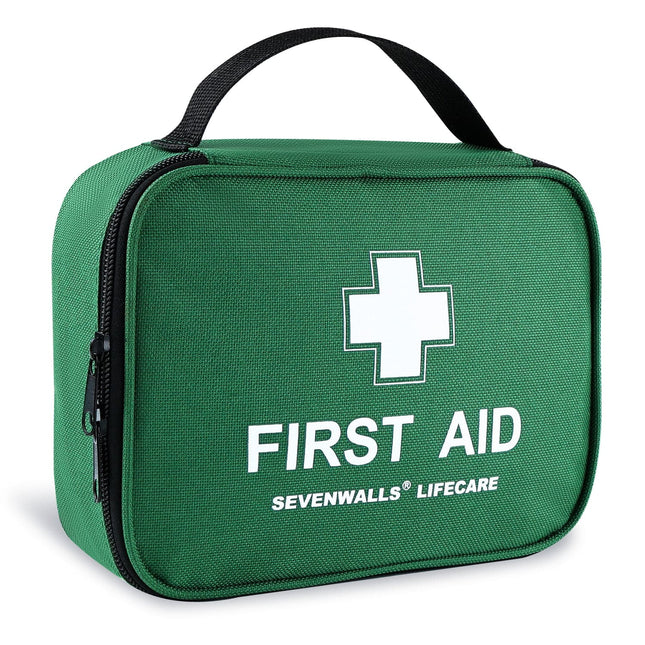
Young workers bring valuable enthusiasm and new skills to the workplace, but they may also face greater risks than experienced employees. A lack of familiarity with workplace hazards, equipment and procedures can increase the likelihood of accidents if appropriate supervision and training are not provided.
Employers should ensure young workers receive suitable first aid provision, workplace inductions and information about emergency procedures from their first day at work.
This guide explains workplace first aid considerations for young workers, including employer responsibilities, risk assessments, training and accident prevention.
This information is general guidance and should not be considered legal advice.
Who is considered a young worker?
In health and safety guidance, a young worker generally refers to someone who is below 18 years of age and has left compulsory school age.
Young workers may include:
Apprentices
Trainees
Part-time employees
Seasonal workers
School or college leavers
Although many young workers quickly become competent in their roles, employers should recognise that they may require additional support during the early stages of employment.
Why young workers face greater risks
Young workers often have less experience identifying workplace hazards and responding to unexpected situations.
Factors that may increase risk include:
Limited workplace experience
Unfamiliarity with equipment
Lack of confidence asking questions
Pressure to perform quickly
Limited awareness of workplace hazards
These factors do not mean young workers are unsafe, but they highlight the importance of suitable supervision and training.
Employer responsibilities
Employers should consider the needs of young workers when planning workplace health and safety arrangements.
This may include:
Providing a suitable induction
Carrying out appropriate risk assessments
Ensuring adequate supervision
Explaining emergency procedures
Providing access to first aid facilities
Reviewing training requirements
Employers should ensure young workers know where to obtain assistance if an accident or emergency occurs.
Risk assessments for young workers
Risk assessments should consider whether young workers face additional risks because of their age, experience or level of training.
Assuming young workers already understand workplace hazards
Allowing unsupervised high-risk work too soon
Failing to explain emergency procedures
Ignoring questions or concerns
Not reviewing risk assessments
Creating a positive safety culture
Young workers should feel comfortable asking questions, reporting hazards and requesting assistance whenever they are unsure about a task.
Encouraging open communication helps build confidence while reducing the likelihood of accidents.
Key takeaway
Young workers can make valuable contributions to any workplace, but they may require additional guidance while gaining experience.
Providing suitable inductions, supervision, first aid arrangements and clear emergency procedures helps create a safer working environment and supports the wellbeing of both young workers and the wider workforce.
Young Workers & Workplace First Aid — FAQ
Who is considered a young worker?
A young worker is generally someone under the age of 18 who has left compulsory school age and is employed or undertaking work experience.
Do young workers require a workplace induction?
Yes. A suitable induction helps young workers understand workplace hazards, emergency procedures and first aid arrangements before starting work.
Should young workers be included in workplace risk assessments?
Yes. Employers should consider whether young workers face additional risks due to their age, experience or level of training.
Can young workers report accidents and near misses?
Yes. Young workers should be encouraged to report accidents, hazards and near misses promptly to help improve workplace safety.
Do young workers have access to workplace first aid?
Yes. Young workers should have appropriate access to workplace first aid equipment, trained first aiders and emergency procedures in the same way as other employees.
1-2 days delivery
FirstAidKitsUK offers free delivery on all UK orders via Royal Mail 48 Tracked. We offer free next-day delivery on all orders over £30 via Royal Mail 24 Tracked.
Royal Mail 48 Tracked: Orders placed before 16:00 pm are dispatched the same day Mon-Fri, and 11:00 pm Sat. Orders after this threshold will be dispatched the next working day. Delivery takes 2 days, including Saturdays. This service is free for all orders.
Royal Mail 24 Tracked: Orders placed before 16:00 pm Mon-Fri, before 11pm Saturday are dispatched the same day. Orders after this threshold will be dispatched the next working day. Delivery will take place the next working day. This service is free for orders over £30. The charge for this service is £3.99 for orders under £30.
This may not be available during public holidays or weekends in between public holidays.
1-2 days delivery
FirstAidKitsUK offers free delivery on all UK orders via Royal Mail 48 Tracked. We offer free next-day delivery on all orders over £30 via Royal Mail 24 Tracked.
Royal Mail 48 Tracked: Orders placed before 16:00 pm are dispatched the same day Mon-Fri, and 11:00 pm Sat. Orders after this threshold will be dispatched the next working day. Delivery takes 2 days, including Saturdays. This service is free for all orders.
Royal Mail 24 Tracked: Orders placed before 16:00 pm Mon-Fri, before 11pm Saturday are dispatched the same day. Orders after this threshold will be dispatched the next working day. Delivery will take place the next working day. This service is free for orders over £30. The charge for this service is £3.99 for orders under £30.
This may not be available during public holidays or weekends in between public holidays.
1-2 days delivery
FirstAidKitsUK offers free delivery on all UK orders via Royal Mail 48 Tracked. We offer free next-day delivery on all orders over £30 via Royal Mail 24 Tracked.
Royal Mail 48 Tracked: Orders placed before 16:00 pm are dispatched the same day Mon-Fri, and 11:00 pm Sat. Orders after this threshold will be dispatched the next working day. Delivery takes 2 days, including Saturdays. This service is free for all orders.
Royal Mail 24 Tracked: Orders placed before 16:00 pm Mon-Fri, before 11pm Saturday are dispatched the same day. Orders after this threshold will be dispatched the next working day. Delivery will take place the next working day. This service is free for orders over £30. The charge for this service is £3.99 for orders under £30.
This may not be available during public holidays or weekends in between public holidays.
1-2 days delivery
FirstAidKitsUK offers free delivery on all UK orders via Royal Mail 48 Tracked. We offer free next-day delivery on all orders over £30 via Royal Mail 24 Tracked.
Royal Mail 48 Tracked: Orders placed before 16:00 pm are dispatched the same day Mon-Fri, and 11:00 pm Sat. Orders after this threshold will be dispatched the next working day. Delivery takes 2 days, including Saturdays. This service is free for all orders.
Royal Mail 24 Tracked: Orders placed before 16:00 pm Mon-Fri, before 11pm Saturday are dispatched the same day. Orders after this threshold will be dispatched the next working day. Delivery will take place the next working day. This service is free for orders over £30. The charge for this service is £3.99 for orders under £30.
This may not be available during public holidays or weekends in between public holidays.
1-2 days delivery
FirstAidKitsUK offers free delivery on all UK orders via Royal Mail 48 Tracked. We offer free next-day delivery on all orders over £30 via Royal Mail 24 Tracked.
Royal Mail 48 Tracked: Orders placed before 16:00 pm are dispatched the same day Mon-Fri, and 11:00 pm Sat. Orders after this threshold will be dispatched the next working day. Delivery takes 2 days, including Saturdays. This service is free for all orders.
Royal Mail 24 Tracked: Orders placed before 16:00 pm Mon-Fri, before 11pm Saturday are dispatched the same day. Orders after this threshold will be dispatched the next working day. Delivery will take place the next working day. This service is free for orders over £30. The charge for this service is £3.99 for orders under £30.
This may not be available during public holidays or weekends in between public holidays.
1-2 days delivery
FirstAidKitsUK offers free delivery on all UK orders via Royal Mail 48 Tracked. We offer free next-day delivery on all orders over £30 via Royal Mail 24 Tracked.
Royal Mail 48 Tracked: Orders placed before 16:00 pm are dispatched the same day Mon-Fri, and 11:00 pm Sat. Orders after this threshold will be dispatched the next working day. Delivery takes 2 days, including Saturdays. This service is free for all orders.
Royal Mail 24 Tracked: Orders placed before 16:00 pm Mon-Fri, before 11pm Saturday are dispatched the same day. Orders after this threshold will be dispatched the next working day. Delivery will take place the next working day. This service is free for orders over £30. The charge for this service is £3.99 for orders under £30.
This may not be available during public holidays or weekends in between public holidays.
1-2 days delivery
FirstAidKitsUK offers free delivery on all UK orders via Royal Mail 48 Tracked. We offer free next-day delivery on all orders over £30 via Royal Mail 24 Tracked.
Royal Mail 48 Tracked: Orders placed before 16:00 pm are dispatched the same day Mon-Fri, and 11:00 pm Sat. Orders after this threshold will be dispatched the next working day. Delivery takes 2 days, including Saturdays. This service is free for all orders.
Royal Mail 24 Tracked: Orders placed before 16:00 pm Mon-Fri, before 11pm Saturday are dispatched the same day. Orders after this threshold will be dispatched the next working day. Delivery will take place the next working day. This service is free for orders over £30. The charge for this service is £3.99 for orders under £30.
This may not be available during public holidays or weekends in between public holidays.