First Aid Kit Contents vs First Aid Training - What’s the Difference?
5 min reading time
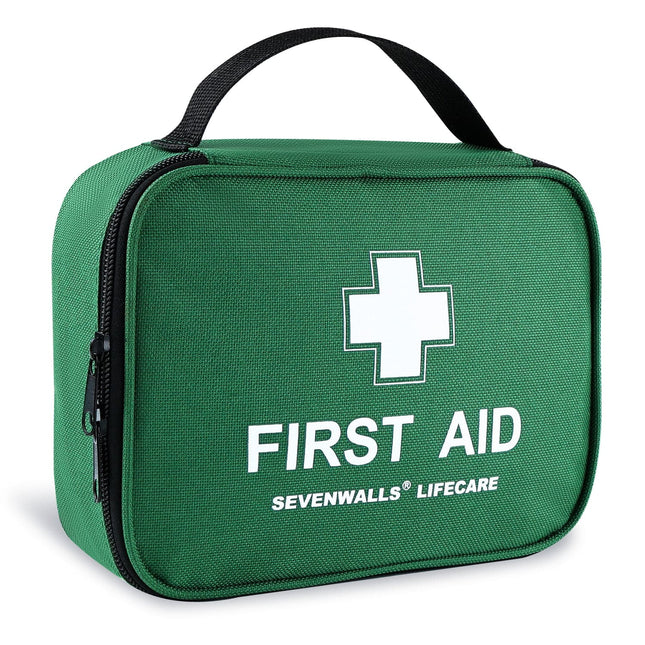
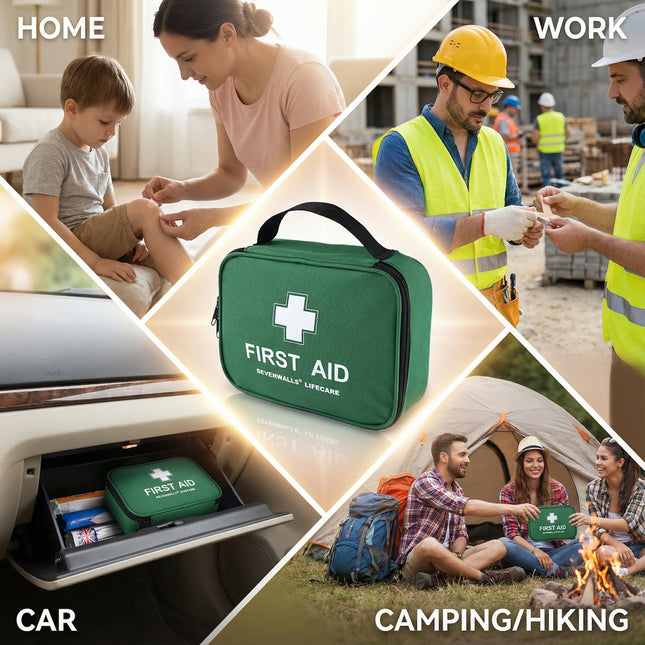
Many people think owning a first aid kit is enough to handle emergencies. While a well-stocked kit provides the tools you need, first aid training gives you the skills to use them effectively. In the UK, both are essential — whether at home, work, or outdoors.
Why First Aid Kits and Training Are Often Confused
It’s common to assume that buying a first aid kit covers all your bases. In reality, kits and training serve different purposes. A kit can’t replace the knowledge needed to respond quickly and correctly, and training alone isn’t much help without the right equipment.
What First Aid Kits Provide
A first aid kit gives you the tools to treat injuries or stabilise someone before professional help arrives. Typical contents include plasters, dressings, bandages, gloves, antiseptic wipes, and emergency blankets. A good kit ensures:
✅ Immediate access to treatment supplies
✅ The ability to manage minor injuries
✅ Support for stabilising serious injuries while waiting for help
First aid training gives you the knowledge and confidence to act effectively in real emergencies. Training typically covers:
✅ How to assess situations safely
✅ CPR and recovery position
✅ Controlling bleeding and treating burns
✅ Recognising symptoms of shock, stroke, heart attack and anaphylaxis
✅ Using first aid supplies correctly
Training empowers individuals to stay calm, use equipment effectively, and make quick decisions when every second counts.
Why Having One Without the Other Is a Risk
Having a kit without training can lead to hesitation, misuse, or missed warning signs. Conversely, having training without access to equipment limits your ability to help effectively. Real incidents often highlight this gap — for example, someone knowing how to apply a bandage but not having the right size dressing, or having a kit but not recognising when to start CPR.
First Aid Kit vs Training — Comparison Table
Aspect
First Aid Kit
First Aid Training
Purpose
Provides physical tools
Provides skills and knowledge
Main Benefit
Immediate treatment materials
Confident, correct emergency response
Covers
Minor injuries, stabilisation before help arrives
Life-saving procedures and correct use of kit
Limitations
Not useful without knowledge
Can’t replace missing or inadequate supplies
Best Used
Alongside trained individuals
Alongside a complete, organised kit
UK Workplace Requirements
In the UK, employers must provide adequate and appropriate first aid equipment, facilities, and trained personnel under the Health and Safety (First-Aid) Regulations 1981. A first aid kit alone does not meet legal obligations in most workplaces. Businesses should assess their risks, stock appropriate kits, and ensure enough trained first aiders are available.
Even basic training can make a huge difference for parents, travellers and outdoor enthusiasts. Courses from St John Ambulance, British Red Cross, or local councils often cover CPR, bleeding control and allergic reactions. Combining training with a personalised kit ensures you're ready at home or away.
1-2 days delivery
FirstAidKitsUK offers free delivery on all UK orders via Royal Mail 48 Tracked. We offer free next-day delivery on all orders over £30 via Royal Mail 24 Tracked.
Royal Mail 48 Tracked: Orders placed before 16:00 pm are dispatched the same day Mon-Fri, and 11:00 pm Sat. Orders after this threshold will be dispatched the next working day. Delivery takes 2 days, including Saturdays. This service is free for all orders.
Royal Mail 24 Tracked: Orders placed before 16:00 pm Mon-Fri, before 11pm Saturday are dispatched the same day. Orders after this threshold will be dispatched the next working day. Delivery will take place the next working day. This service is free for orders over £30. The charge for this service is £3.99 for orders under £30.
This may not be available during public holidays or weekends in between public holidays.
1-2 days delivery
FirstAidKitsUK offers free delivery on all UK orders via Royal Mail 48 Tracked. We offer free next-day delivery on all orders over £30 via Royal Mail 24 Tracked.
Royal Mail 48 Tracked: Orders placed before 16:00 pm are dispatched the same day Mon-Fri, and 11:00 pm Sat. Orders after this threshold will be dispatched the next working day. Delivery takes 2 days, including Saturdays. This service is free for all orders.
Royal Mail 24 Tracked: Orders placed before 16:00 pm Mon-Fri, before 11pm Saturday are dispatched the same day. Orders after this threshold will be dispatched the next working day. Delivery will take place the next working day. This service is free for orders over £30. The charge for this service is £3.99 for orders under £30.
This may not be available during public holidays or weekends in between public holidays.
1-2 days delivery
FirstAidKitsUK offers free delivery on all UK orders via Royal Mail 48 Tracked. We offer free next-day delivery on all orders over £30 via Royal Mail 24 Tracked.
Royal Mail 48 Tracked: Orders placed before 16:00 pm are dispatched the same day Mon-Fri, and 11:00 pm Sat. Orders after this threshold will be dispatched the next working day. Delivery takes 2 days, including Saturdays. This service is free for all orders.
Royal Mail 24 Tracked: Orders placed before 16:00 pm Mon-Fri, before 11pm Saturday are dispatched the same day. Orders after this threshold will be dispatched the next working day. Delivery will take place the next working day. This service is free for orders over £30. The charge for this service is £3.99 for orders under £30.
This may not be available during public holidays or weekends in between public holidays.
1-2 days delivery
FirstAidKitsUK offers free delivery on all UK orders via Royal Mail 48 Tracked. We offer free next-day delivery on all orders over £30 via Royal Mail 24 Tracked.
Royal Mail 48 Tracked: Orders placed before 16:00 pm are dispatched the same day Mon-Fri, and 11:00 pm Sat. Orders after this threshold will be dispatched the next working day. Delivery takes 2 days, including Saturdays. This service is free for all orders.
Royal Mail 24 Tracked: Orders placed before 16:00 pm Mon-Fri, before 11pm Saturday are dispatched the same day. Orders after this threshold will be dispatched the next working day. Delivery will take place the next working day. This service is free for orders over £30. The charge for this service is £3.99 for orders under £30.
This may not be available during public holidays or weekends in between public holidays.
1-2 days delivery
FirstAidKitsUK offers free delivery on all UK orders via Royal Mail 48 Tracked. We offer free next-day delivery on all orders over £30 via Royal Mail 24 Tracked.
Royal Mail 48 Tracked: Orders placed before 16:00 pm are dispatched the same day Mon-Fri, and 11:00 pm Sat. Orders after this threshold will be dispatched the next working day. Delivery takes 2 days, including Saturdays. This service is free for all orders.
Royal Mail 24 Tracked: Orders placed before 16:00 pm Mon-Fri, before 11pm Saturday are dispatched the same day. Orders after this threshold will be dispatched the next working day. Delivery will take place the next working day. This service is free for orders over £30. The charge for this service is £3.99 for orders under £30.
This may not be available during public holidays or weekends in between public holidays.
1-2 days delivery
FirstAidKitsUK offers free delivery on all UK orders via Royal Mail 48 Tracked. We offer free next-day delivery on all orders over £30 via Royal Mail 24 Tracked.
Royal Mail 48 Tracked: Orders placed before 16:00 pm are dispatched the same day Mon-Fri, and 11:00 pm Sat. Orders after this threshold will be dispatched the next working day. Delivery takes 2 days, including Saturdays. This service is free for all orders.
Royal Mail 24 Tracked: Orders placed before 16:00 pm Mon-Fri, before 11pm Saturday are dispatched the same day. Orders after this threshold will be dispatched the next working day. Delivery will take place the next working day. This service is free for orders over £30. The charge for this service is £3.99 for orders under £30.
This may not be available during public holidays or weekends in between public holidays.
1-2 days delivery
FirstAidKitsUK offers free delivery on all UK orders via Royal Mail 48 Tracked. We offer free next-day delivery on all orders over £30 via Royal Mail 24 Tracked.
Royal Mail 48 Tracked: Orders placed before 16:00 pm are dispatched the same day Mon-Fri, and 11:00 pm Sat. Orders after this threshold will be dispatched the next working day. Delivery takes 2 days, including Saturdays. This service is free for all orders.
Royal Mail 24 Tracked: Orders placed before 16:00 pm Mon-Fri, before 11pm Saturday are dispatched the same day. Orders after this threshold will be dispatched the next working day. Delivery will take place the next working day. This service is free for orders over £30. The charge for this service is £3.99 for orders under £30.
This may not be available during public holidays or weekends in between public holidays.