First Aid for Fainting: Causes, Warning Signs & What to Do
17 min reading time
Fainting is a brief loss of consciousness that usually happens because blood flow to the brain temporarily falls.
Many fainting episodes are not caused by a serious medical problem, but a collapse should never simply be ignored. A person may faint because they are too hot, dehydrated, hungry, in pain or emotionally distressed, but fainting can also be associated with low blood pressure, heart problems, diabetes, seizures or other medical conditions.
This guide explains how to recognise fainting, what to do if someone feels faint, how to respond if they lose consciousness, when to call 999 and when further medical assessment is needed.
What is fainting?
Fainting, sometimes called syncope, is a temporary loss of consciousness caused by a short reduction in blood flow to the brain.
A typical faint is brief. The person may feel unwell beforehand, collapse, then regain consciousness within a short period.
According to NHS guidance, someone who has fainted will usually wake within around 30 seconds. If they cannot be woken within one minute, this should be treated as an emergency.
What can cause fainting?
There are many possible causes of fainting.
Common triggers can include:
standing up too quickly;
low blood pressure;
not eating enough;
not drinking enough;
being very hot;
standing still for a long time;
severe pain;
emotional distress;
fear or anxiety;
exhaustion;
alcohol or drug use;
some heart problems.
Sometimes the reason is obvious, but fainting can also happen without a clear trigger. NHS guidance advises seeing a GP after a faint so the possible cause can be assessed.
What are the warning signs before fainting?
A person may have warning symptoms shortly before losing consciousness.
These can include:
dizziness;
light-headedness;
sweating;
feeling very warm or hot;
feeling sick;
changes in vision;
weakness;
pale or clammy skin.
If someone recognises these symptoms early, helping them into a safe position may prevent a fall and reduce the risk of injury.
What should you do if someone feels faint?
If someone says they feel as though they are about to faint, act before they collapse.
NHS guidance recommends:
helping them lie down;
raising their legs if possible;
if they cannot lie down, helping them sit with their head lowered between their knees;
providing fresh air where practical;
reassuring them and allowing time to recover.
If they are standing and cannot immediately lie down, crossing the legs, rocking on the toes or clenching the fists may also help while a safer position is found.
First aid for someone who has fainted
Step
What to do
Why it matters
1. Make sure the area is safe
Check for traffic, machinery, electricity, sharp objects or another hazard before approaching.
The casualty may have collapsed because of an environmental danger, and you should not become another casualty.
2. Check responsiveness
Speak loudly, ask if they are OK and gently shake their shoulders.
This helps determine whether they are responding normally.
3. Check breathing
If they do not respond, open the airway and check whether they are breathing normally.
An unresponsive person who is not breathing normally may be in cardiac arrest rather than simply fainting.
4. If breathing normally, lie them flat
Place them on their back and raise their legs if appropriate.
This can help improve blood flow back towards the brain.
5. Monitor recovery
Stay with them and watch their breathing and level of response.
A normal faint should usually resolve quickly.
6. Help them sit up slowly
Once fully recovered, allow them to sit up gradually rather than standing immediately.
Standing too quickly can cause another faint.
How long should someone be unconscious after fainting?
A typical faint should be brief.
NHS guidance says the person will usually wake within around 30 seconds.
Call 999 or 112 if they cannot be woken within one minute.
Do not continue assuming that prolonged unconsciousness is simply a faint. There may be another medical emergency.
When should you call 999 after someone faints?
Call 999 or 112 if the person:
is not breathing normally;
cannot be woken within one minute;
has not fully recovered;
has difficulty speaking or moving;
has chest pain;
has a pounding, fluttering or irregular heartbeat;
has seriously injured themselves before or during the collapse;
is shaking or jerking as though having a seizure;
fainted while exercising;
fainted while lying down.
These situations can indicate something more serious than an ordinary faint and require urgent medical assessment.
NHS and St John Ambulance guidance both recommend lying a person who has fainted on their back and raising their legs.
This can help blood return towards the brain.
However, do not force the legs into this position if:
the person has injured their legs, hips or pelvis;
raising the legs causes significant pain;
another injury or medical condition makes the position unsuitable.
The casualty's safety and any injuries caused by the fall should also be considered.
What if the person is pregnant?
Pregnancy changes how someone who feels faint should be positioned.
NHS guidance says that if a person who has fainted is pregnant, especially if they are more than 28 weeks pregnant, it is better to place them on their side rather than flat on their back.
This is because the weight of the uterus can reduce blood return to the heart when lying flat later in pregnancy.
If the person does not recover quickly, has abdominal pain, bleeding or another concerning symptom, seek urgent medical advice.
Should you give food or drink after someone faints?
Do not give food or drink while someone is unconscious or not fully alert.
Once they have completely recovered, are sitting safely and can swallow normally, drinking some water may be appropriate, particularly if heat or dehydration contributed to the faint.
If low blood glucose is suspected in someone with diabetes, the situation should be managed according to their usual hypo plan once they are conscious and able to swallow safely.
Fainting and medical shock are different conditions.
A simple faint happens because blood flow to the brain temporarily falls and the person usually recovers quickly.
Medical shock is a life-threatening failure of circulation caused by serious injury or illness and does not normally resolve simply because the person lies down.
NHS guidance recommends seeing a GP if you have fainted.
Most fainting episodes are not caused by something serious, but medical assessment can help identify why the episode happened and whether further tests are necessary.
Repeated fainting should not simply be accepted as normal.
Repeated fainting and driving
Repeated fainting can affect driving safety.
NHS guidance says that people who faint regularly may need to tell the Driver and Vehicle Licensing Agency (DVLA), depending on the circumstances.
You must not drive if your GP has referred you to a specialist and you are waiting for assessment where the relevant driving restrictions apply.
For individual driving requirements, check current GOV.UK and DVLA guidance.
Fainting in the workplace
Someone can faint in any workplace, but the consequences vary depending on where the collapse happens.
A faint beside an office desk may cause a minor fall. The same event while:
working at height;
operating machinery;
driving;
working near traffic;
handling hazardous substances;
working alone;
can create additional risks.
Workplace first aiders should therefore make the area safe, assess the casualty and consider injuries caused by the collapse as well as the faint itself.
Fainting in children
Children and teenagers can faint, particularly because of heat, dehydration, prolonged standing, pain or emotional stress.
The same basic first aid principles apply:
help them lie down;
raise their legs where appropriate;
check their responsiveness and breathing;
allow them to recover slowly;
seek medical help if they do not recover normally.
Call 999 if the child cannot be woken within one minute, has abnormal breathing, has a seizure, is seriously injured or has other emergency warning signs.
Common mistakes after someone faints
Common mistakes include:
trying to hold someone upright when they are about to collapse;
making them stand immediately after they wake;
giving food or drink while they are not fully alert;
assuming prolonged unconsciousness is simply a faint;
ignoring chest pain or palpitations;
failing to check breathing;
overlooking injuries caused by the fall;
assuming shaking or jerking must be harmless;
ignoring fainting during exercise;
not arranging medical assessment after unexplained or repeated fainting.
Can a first aid kit help after someone faints?
Fainting itself usually does not require equipment from a first aid kit.
The most important actions are correct positioning, monitoring and recognising when emergency help is needed.
A first aid kit may still be useful if the person has injured themselves during the fall, for example by sustaining a cut or graze.
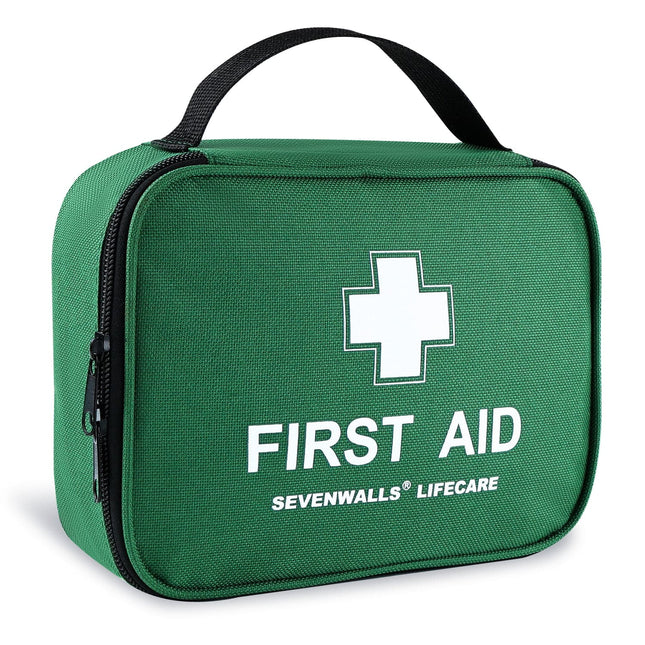
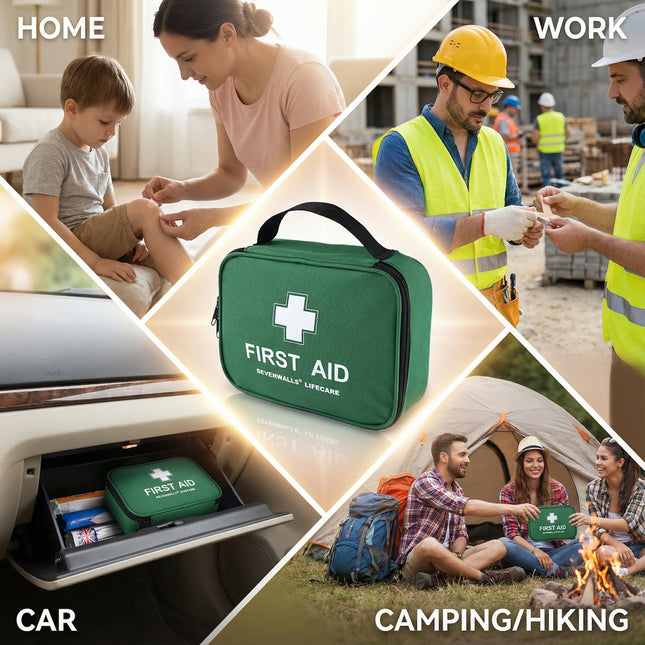
You can view our range of first aid kits for home, workplace, travel and general emergency preparedness.
Quick fainting first aid checklist
Situation
What to do
Feels faint
Help them lie down with their legs raised. If this is not possible, sit them down with their head lowered.
Has fainted but is breathing normally
Lie them on their back, raise the legs where appropriate and monitor recovery.
Pregnant
Especially after 28 weeks, position them on their side rather than flat on their back.
Not awake within 1 minute
Call 999.
Not breathing normally
Call 999, obtain an AED and begin CPR.
Chest pain, palpitations, seizure or serious injury
Call 999.
Fainted during exercise or while lying down
Call 999.
Recovered normally
Help them sit up slowly and arrange GP assessment to establish the possible cause.
Official NHS first aid guidance
The NHS provides current guidance on the causes and symptoms of fainting, what to do if someone feels faint or has collapsed, and when emergency medical help is required.
Check that the area is safe, assess their response and breathing, and if they are breathing normally, lie them on their back and raise their legs where appropriate. Stay with them and monitor their recovery.
How long should a person be unconscious after fainting?
A typical faint is brief and the person will usually wake within around 30 seconds. NHS guidance advises calling 999 if they cannot be woken within one minute.
Should you raise someone's legs after they faint?
Yes, where appropriate. Lying the person flat and raising their legs can help improve blood flow towards the brain. Do not do this if an injury or another condition makes the position unsuitable.
When should you call 999 after fainting?
Call 999 if the person is not breathing, cannot be woken within one minute, has not fully recovered, has difficulty speaking or moving, has chest pain or palpitations, is seriously injured, has seizure-like movements, or fainted during exercise or while lying down.
Should you give someone water after they faint?
Do not give anything by mouth while the person is unconscious or not fully alert. Once they have completely recovered and can swallow safely, some water may be appropriate, particularly if heat or dehydration contributed to the episode.
Do you need to see a GP after fainting?
Yes. NHS guidance recommends seeing a GP after a faint. Most episodes are not serious, but medical assessment can help identify the possible cause and determine whether further investigation is needed.
1-2 days delivery
FirstAidKitsUK offers free delivery on all UK orders via Royal Mail 48 Tracked. We offer free next-day delivery on all orders over £30 via Royal Mail 24 Tracked.
Royal Mail 48 Tracked: Orders placed before 16:00 pm are dispatched the same day Mon-Fri, and 11:00 pm Sat. Orders after this threshold will be dispatched the next working day. Delivery takes 2 days, including Saturdays. This service is free for all orders.
Royal Mail 24 Tracked: Orders placed before 16:00 pm Mon-Fri, before 11pm Saturday are dispatched the same day. Orders after this threshold will be dispatched the next working day. Delivery will take place the next working day. This service is free for orders over £30. The charge for this service is £3.99 for orders under £30.
This may not be available during public holidays or weekends in between public holidays.
1-2 days delivery
FirstAidKitsUK offers free delivery on all UK orders via Royal Mail 48 Tracked. We offer free next-day delivery on all orders over £30 via Royal Mail 24 Tracked.
Royal Mail 48 Tracked: Orders placed before 16:00 pm are dispatched the same day Mon-Fri, and 11:00 pm Sat. Orders after this threshold will be dispatched the next working day. Delivery takes 2 days, including Saturdays. This service is free for all orders.
Royal Mail 24 Tracked: Orders placed before 16:00 pm Mon-Fri, before 11pm Saturday are dispatched the same day. Orders after this threshold will be dispatched the next working day. Delivery will take place the next working day. This service is free for orders over £30. The charge for this service is £3.99 for orders under £30.
This may not be available during public holidays or weekends in between public holidays.
1-2 days delivery
FirstAidKitsUK offers free delivery on all UK orders via Royal Mail 48 Tracked. We offer free next-day delivery on all orders over £30 via Royal Mail 24 Tracked.
Royal Mail 48 Tracked: Orders placed before 16:00 pm are dispatched the same day Mon-Fri, and 11:00 pm Sat. Orders after this threshold will be dispatched the next working day. Delivery takes 2 days, including Saturdays. This service is free for all orders.
Royal Mail 24 Tracked: Orders placed before 16:00 pm Mon-Fri, before 11pm Saturday are dispatched the same day. Orders after this threshold will be dispatched the next working day. Delivery will take place the next working day. This service is free for orders over £30. The charge for this service is £3.99 for orders under £30.
This may not be available during public holidays or weekends in between public holidays.
1-2 days delivery
FirstAidKitsUK offers free delivery on all UK orders via Royal Mail 48 Tracked. We offer free next-day delivery on all orders over £30 via Royal Mail 24 Tracked.
Royal Mail 48 Tracked: Orders placed before 16:00 pm are dispatched the same day Mon-Fri, and 11:00 pm Sat. Orders after this threshold will be dispatched the next working day. Delivery takes 2 days, including Saturdays. This service is free for all orders.
Royal Mail 24 Tracked: Orders placed before 16:00 pm Mon-Fri, before 11pm Saturday are dispatched the same day. Orders after this threshold will be dispatched the next working day. Delivery will take place the next working day. This service is free for orders over £30. The charge for this service is £3.99 for orders under £30.
This may not be available during public holidays or weekends in between public holidays.
1-2 days delivery
FirstAidKitsUK offers free delivery on all UK orders via Royal Mail 48 Tracked. We offer free next-day delivery on all orders over £30 via Royal Mail 24 Tracked.
Royal Mail 48 Tracked: Orders placed before 16:00 pm are dispatched the same day Mon-Fri, and 11:00 pm Sat. Orders after this threshold will be dispatched the next working day. Delivery takes 2 days, including Saturdays. This service is free for all orders.
Royal Mail 24 Tracked: Orders placed before 16:00 pm Mon-Fri, before 11pm Saturday are dispatched the same day. Orders after this threshold will be dispatched the next working day. Delivery will take place the next working day. This service is free for orders over £30. The charge for this service is £3.99 for orders under £30.
This may not be available during public holidays or weekends in between public holidays.
1-2 days delivery
FirstAidKitsUK offers free delivery on all UK orders via Royal Mail 48 Tracked. We offer free next-day delivery on all orders over £30 via Royal Mail 24 Tracked.
Royal Mail 48 Tracked: Orders placed before 16:00 pm are dispatched the same day Mon-Fri, and 11:00 pm Sat. Orders after this threshold will be dispatched the next working day. Delivery takes 2 days, including Saturdays. This service is free for all orders.
Royal Mail 24 Tracked: Orders placed before 16:00 pm Mon-Fri, before 11pm Saturday are dispatched the same day. Orders after this threshold will be dispatched the next working day. Delivery will take place the next working day. This service is free for orders over £30. The charge for this service is £3.99 for orders under £30.
This may not be available during public holidays or weekends in between public holidays.
1-2 days delivery
FirstAidKitsUK offers free delivery on all UK orders via Royal Mail 48 Tracked. We offer free next-day delivery on all orders over £30 via Royal Mail 24 Tracked.
Royal Mail 48 Tracked: Orders placed before 16:00 pm are dispatched the same day Mon-Fri, and 11:00 pm Sat. Orders after this threshold will be dispatched the next working day. Delivery takes 2 days, including Saturdays. This service is free for all orders.
Royal Mail 24 Tracked: Orders placed before 16:00 pm Mon-Fri, before 11pm Saturday are dispatched the same day. Orders after this threshold will be dispatched the next working day. Delivery will take place the next working day. This service is free for orders over £30. The charge for this service is £3.99 for orders under £30.
This may not be available during public holidays or weekends in between public holidays.