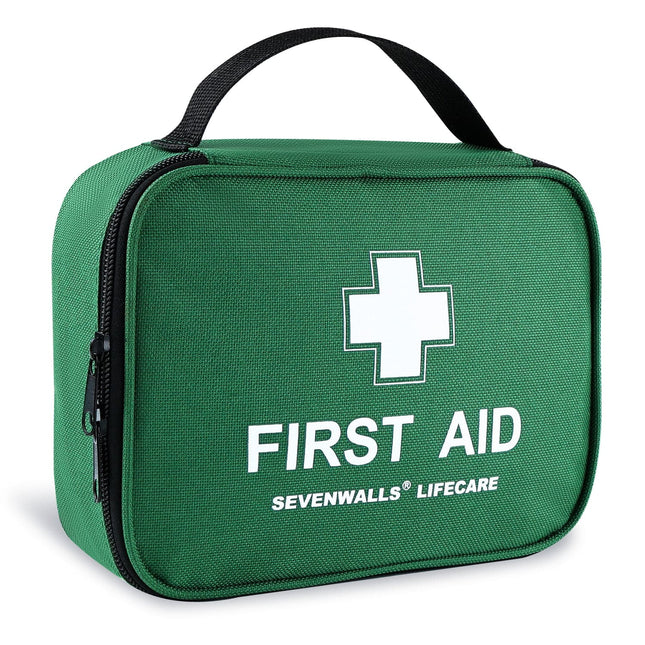
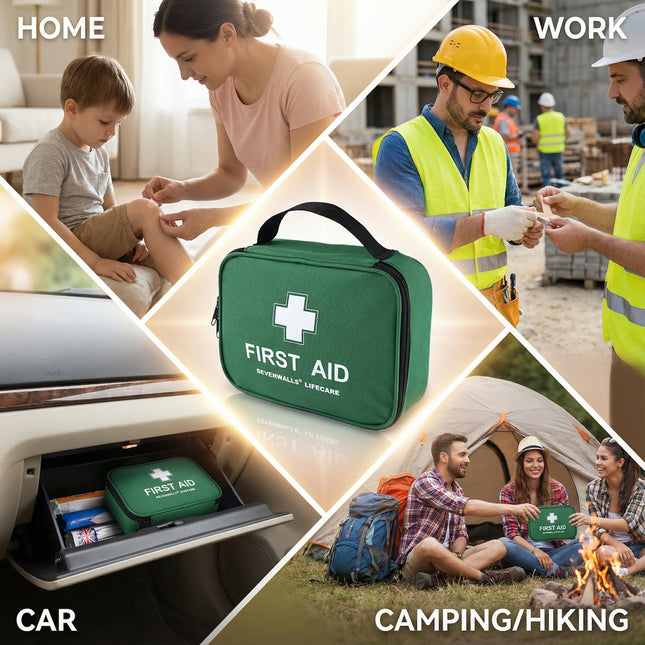
Good workplace housekeeping is about much more than keeping a workplace clean and tidy. Effective housekeeping helps reduce accidents, improves efficiency, supports emergency procedures and creates a safer working environment for employees, visitors and contractors.
Poor housekeeping is a contributing factor in many workplace incidents, including slips, trips, falls, manual handling injuries, fires and blocked emergency exits. Fortunately, many of these accidents can be prevented through simple, well-managed housekeeping procedures.
Housekeeping should form part of every workplace's health and safety management system, regardless of whether the business operates from an office, warehouse, factory, retail premises or construction site.
This guide explains why workplace housekeeping matters, common hazards, employer responsibilities, inspection procedures and first aid considerations.
This information is general guidance and should not be considered legal advice.
What is workplace housekeeping?
Workplace housekeeping refers to maintaining a clean, organised and safe working environment. It includes regular cleaning, safe storage of materials, waste management, maintaining clear access routes and ensuring hazards are identified and addressed promptly.
Good housekeeping is an ongoing process rather than a one-off cleaning activity.
It may include:
Keeping walkways clear.
Cleaning spills immediately.
Storing equipment safely.
Managing waste correctly.
Maintaining emergency exits.
Inspecting work areas regularly.
Keeping first aid equipment accessible.
Why workplace housekeeping matters
Good housekeeping helps reduce workplace risks while improving productivity and creating a more organised working environment.
Benefits include:
Fewer slips, trips and falls.
Improved fire safety.
Safer manual handling.
Better access to emergency equipment.
Improved employee wellbeing.
Reduced damage to equipment.
Better workplace efficiency.
Many workplace accidents result from hazards that could have been identified and corrected during routine housekeeping inspections.
Employer responsibilities
Employers should take reasonable steps to maintain safe working conditions and establish suitable housekeeping procedures appropriate for their workplace.
This may include:
Developing housekeeping procedures.
Providing employee training.
Maintaining cleaning schedules.
Providing suitable waste facilities.
Inspecting work areas.
Monitoring storage arrangements.
Reviewing hazards regularly.
Housekeeping should form part of wider workplace risk assessments and safety management procedures.
Risk assessments
Housekeeping hazards should be considered during workplace risk assessments. The assessment should identify hazards that could affect employees, visitors and contractors.
Walkways should remain free from unnecessary obstacles to allow employees to move safely throughout the workplace.
Common items that should never obstruct pedestrian routes include:
Pallets.
Boxes.
Waste bags.
Tools.
Extension leads.
Cleaning equipment.
Keeping walkways clear is particularly important during emergencies when employees may need to evacuate quickly.
Safe storage of equipment and materials
Improper storage increases the likelihood of falling objects, manual handling injuries and damaged equipment.
Good storage practices include:
Using suitable shelving.
Stacking goods safely.
Storing heavier items at appropriate heights.
Avoiding overloaded shelving.
Keeping frequently used items easily accessible.
Storage areas should be inspected regularly for signs of damage or instability.
Waste management
Waste materials should be removed promptly to prevent unnecessary hazards developing.
Examples include:
Packaging materials.
Cardboard.
Plastic wrapping.
Damaged pallets.
General workplace waste.
Suitable waste management helps improve housekeeping while reducing fire risks and improving access throughout the workplace.
Fire safety and housekeeping
Good housekeeping plays an important role in workplace fire safety. Waste materials, combustible packaging and blocked escape routes can increase the severity of a fire and make evacuation more difficult.
Employers should ensure that:
Waste is removed regularly.
Fire exits remain unobstructed.
Fire doors are not wedged open unless suitable systems are installed.
Combustible materials are stored appropriately.
Electrical equipment is kept clean and well maintained.
Good housekeeping helps reduce the likelihood of fires starting and supports safe evacuation if an emergency occurs.
Although office environments generally present fewer physical hazards than warehouses or factories, poor housekeeping can still contribute to accidents.
Common office hazards include:
Trailing charging cables.
Open filing drawers.
Boxes stored beneath desks.
Wet entrance floors.
Blocked fire exits.
Simple housekeeping routines help maintain a safe and organised workplace.
Housekeeping inspections
Regular inspections help identify hazards before they result in accidents.
Inspection frequency depends on workplace activities, but many businesses carry out:
Daily visual checks.
Weekly housekeeping inspections.
Monthly workplace audits.
Additional inspections following incidents.
Inspection findings should be recorded where appropriate and any hazards corrected promptly.
Employee responsibilities
Housekeeping is everyone's responsibility, not only that of cleaners or supervisors.
Employees should:
Keep their work areas tidy.
Report hazards promptly.
Clean up spills where safe to do so.
Store equipment correctly.
Dispose of waste appropriately.
Follow workplace procedures.
First aid considerations
Poor housekeeping can contribute to many different types of workplace injuries.
Common injuries include:
Cuts and lacerations.
Sprains and strains.
Head injuries.
Fractures.
Crush injuries.
Major bleeding.
Employers should ensure suitable first aid arrangements are available and employees know:
Good workplace housekeeping is one of the simplest and most effective ways to reduce accidents. By keeping workplaces clean, organised and free from unnecessary hazards, employers can improve safety, support emergency procedures and create a healthier working environment for everyone.
Related guides
You may also find these workplace safety guides useful:
Workplace housekeeping is the ongoing process of keeping work areas clean, organised and free from unnecessary hazards. It includes safe storage, waste management, cleaning and maintaining clear access routes.
Why is workplace housekeeping important?
Good housekeeping helps reduce accidents, improves efficiency, supports fire safety, keeps emergency exits clear and creates a safer environment for employees, visitors and contractors.
Who is responsible for workplace housekeeping?
Employers should provide suitable procedures and supervision, but every employee has a responsibility to keep their work area safe, report hazards and follow workplace housekeeping procedures.
How often should housekeeping inspections be carried out?
The frequency depends on the workplace, but many businesses carry out daily visual checks, weekly inspections and periodic workplace audits to identify hazards before accidents occur.
Can poor housekeeping increase fire risks?
Yes. Accumulated waste, combustible materials and blocked fire exits can increase fire risks and make emergency evacuation more difficult.
What accidents are commonly caused by poor housekeeping?
Poor housekeeping commonly contributes to slips, trips, falls, manual handling injuries, falling objects, cuts, head injuries and blocked emergency escape routes.
Should first aid equipment be included in housekeeping inspections?
Yes. First aid kits should remain accessible, fully stocked and easy to locate as part of routine workplace inspections.
Does good housekeeping improve workplace productivity?
Yes. Organised workplaces reduce delays, improve access to equipment, minimise wasted time and help employees work more safely and efficiently.
1-2 days delivery
FirstAidKitsUK offers free delivery on all UK orders via Royal Mail 48 Tracked. We offer free next-day delivery on all orders over £30 via Royal Mail 24 Tracked.
Royal Mail 48 Tracked: Orders placed before 16:00 pm are dispatched the same day Mon-Fri, and 11:00 pm Sat. Orders after this threshold will be dispatched the next working day. Delivery takes 2 days, including Saturdays. This service is free for all orders.
Royal Mail 24 Tracked: Orders placed before 16:00 pm Mon-Fri, before 11pm Saturday are dispatched the same day. Orders after this threshold will be dispatched the next working day. Delivery will take place the next working day. This service is free for orders over £30. The charge for this service is £3.99 for orders under £30.
This may not be available during public holidays or weekends in between public holidays.
1-2 days delivery
FirstAidKitsUK offers free delivery on all UK orders via Royal Mail 48 Tracked. We offer free next-day delivery on all orders over £30 via Royal Mail 24 Tracked.
Royal Mail 48 Tracked: Orders placed before 16:00 pm are dispatched the same day Mon-Fri, and 11:00 pm Sat. Orders after this threshold will be dispatched the next working day. Delivery takes 2 days, including Saturdays. This service is free for all orders.
Royal Mail 24 Tracked: Orders placed before 16:00 pm Mon-Fri, before 11pm Saturday are dispatched the same day. Orders after this threshold will be dispatched the next working day. Delivery will take place the next working day. This service is free for orders over £30. The charge for this service is £3.99 for orders under £30.
This may not be available during public holidays or weekends in between public holidays.
1-2 days delivery
FirstAidKitsUK offers free delivery on all UK orders via Royal Mail 48 Tracked. We offer free next-day delivery on all orders over £30 via Royal Mail 24 Tracked.
Royal Mail 48 Tracked: Orders placed before 16:00 pm are dispatched the same day Mon-Fri, and 11:00 pm Sat. Orders after this threshold will be dispatched the next working day. Delivery takes 2 days, including Saturdays. This service is free for all orders.
Royal Mail 24 Tracked: Orders placed before 16:00 pm Mon-Fri, before 11pm Saturday are dispatched the same day. Orders after this threshold will be dispatched the next working day. Delivery will take place the next working day. This service is free for orders over £30. The charge for this service is £3.99 for orders under £30.
This may not be available during public holidays or weekends in between public holidays.
1-2 days delivery
FirstAidKitsUK offers free delivery on all UK orders via Royal Mail 48 Tracked. We offer free next-day delivery on all orders over £30 via Royal Mail 24 Tracked.
Royal Mail 48 Tracked: Orders placed before 16:00 pm are dispatched the same day Mon-Fri, and 11:00 pm Sat. Orders after this threshold will be dispatched the next working day. Delivery takes 2 days, including Saturdays. This service is free for all orders.
Royal Mail 24 Tracked: Orders placed before 16:00 pm Mon-Fri, before 11pm Saturday are dispatched the same day. Orders after this threshold will be dispatched the next working day. Delivery will take place the next working day. This service is free for orders over £30. The charge for this service is £3.99 for orders under £30.
This may not be available during public holidays or weekends in between public holidays.
1-2 days delivery
FirstAidKitsUK offers free delivery on all UK orders via Royal Mail 48 Tracked. We offer free next-day delivery on all orders over £30 via Royal Mail 24 Tracked.
Royal Mail 48 Tracked: Orders placed before 16:00 pm are dispatched the same day Mon-Fri, and 11:00 pm Sat. Orders after this threshold will be dispatched the next working day. Delivery takes 2 days, including Saturdays. This service is free for all orders.
Royal Mail 24 Tracked: Orders placed before 16:00 pm Mon-Fri, before 11pm Saturday are dispatched the same day. Orders after this threshold will be dispatched the next working day. Delivery will take place the next working day. This service is free for orders over £30. The charge for this service is £3.99 for orders under £30.
This may not be available during public holidays or weekends in between public holidays.
1-2 days delivery
FirstAidKitsUK offers free delivery on all UK orders via Royal Mail 48 Tracked. We offer free next-day delivery on all orders over £30 via Royal Mail 24 Tracked.
Royal Mail 48 Tracked: Orders placed before 16:00 pm are dispatched the same day Mon-Fri, and 11:00 pm Sat. Orders after this threshold will be dispatched the next working day. Delivery takes 2 days, including Saturdays. This service is free for all orders.
Royal Mail 24 Tracked: Orders placed before 16:00 pm Mon-Fri, before 11pm Saturday are dispatched the same day. Orders after this threshold will be dispatched the next working day. Delivery will take place the next working day. This service is free for orders over £30. The charge for this service is £3.99 for orders under £30.
This may not be available during public holidays or weekends in between public holidays.
1-2 days delivery
FirstAidKitsUK offers free delivery on all UK orders via Royal Mail 48 Tracked. We offer free next-day delivery on all orders over £30 via Royal Mail 24 Tracked.
Royal Mail 48 Tracked: Orders placed before 16:00 pm are dispatched the same day Mon-Fri, and 11:00 pm Sat. Orders after this threshold will be dispatched the next working day. Delivery takes 2 days, including Saturdays. This service is free for all orders.
Royal Mail 24 Tracked: Orders placed before 16:00 pm Mon-Fri, before 11pm Saturday are dispatched the same day. Orders after this threshold will be dispatched the next working day. Delivery will take place the next working day. This service is free for orders over £30. The charge for this service is £3.99 for orders under £30.
This may not be available during public holidays or weekends in between public holidays.