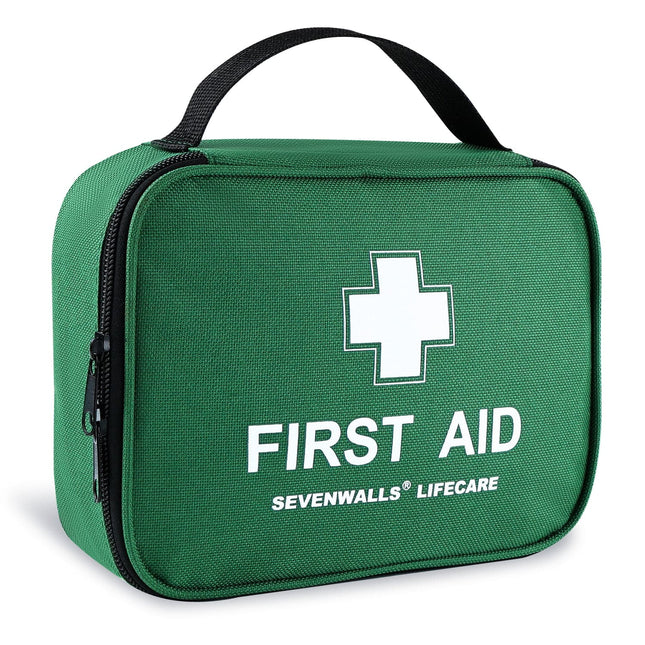
Manufacturing and Production First Aid Requirements in the UK
9 min reading time
Manufacturing and production workplaces can involve machinery, tools, manual handling, chemicals, heat, noise, shift work and moving vehicles. Because of these risks, first aid provision usually needs more detailed planning than in a low-risk office or small retail setting.
This guide explains first aid requirements for manufacturing and production environments in the UK, including risk assessments, first aid kits, trained first aiders, emergency procedures and ongoing checks.
This information is general guidance and should not be considered legal advice.
Do manufacturing workplaces need first aid provision?
Yes. Employers must provide adequate and appropriate first aid arrangements for employees. In manufacturing and production settings, this usually means assessing the specific hazards present and ensuring first aid provision matches the level of risk.
The right provision depends on the nature of the work, number of employees, site layout, shift patterns and access to emergency services.
Why manufacturing requires careful first aid planning
Manufacturing sites often involve higher-risk activities than standard workplaces. Injuries can happen quickly and may require immediate action before emergency services arrive.
Common risk factors include:
Machinery and moving parts
Sharp tools and cutting equipment
Manual handling and repetitive tasks
Forklifts and internal vehicle movement
Heat, sparks or hot surfaces
Chemical exposure
Noise, dust or confined work areas
Common first aid risks in manufacturing
Risk Area
Possible Injury or Incident
Machinery
Cuts, crush injuries, trapped fingers or impact injuries
Manual handling
Sprains, strains and soft tissue injuries
Hot processes
Burns and scalds
Chemicals
Skin irritation, eye exposure or suspected poisoning
First aid needs assessment for manufacturing sites
A first aid needs assessment should identify the level of provision required. In manufacturing settings, the assessment should consider both everyday injuries and serious emergencies.
Key factors include:
Number of employees on each shift
Types of machinery and processes used
History of workplace incidents
Location of first aid kits and facilities
Presence of contractors, agency workers or visitors
Most manufacturing sites will require more than a basic first aid kit. The contents should reflect the risks identified in the needs assessment.
Depending on the site, first aid provision may need to include supplies for cuts, burns, eye injuries, larger wounds or other workplace-specific incidents.
Supply Type
Why It May Be Needed
Adhesive dressings
Minor cuts and grazes
Sterile wound dressings
Larger cuts or bleeding wounds
Bandages
Supporting injuries and securing dressings
Eye wash or eye pads
Dust, particles or chemical splash risks
Burn dressings
Hot surfaces, steam, friction or heat-related injuries
The number of first aid kits depends on the size and layout of the manufacturing site.
Large production floors, separate departments, warehouses, loading bays and maintenance areas may all need accessible first aid supplies. Kits should not be locked away or positioned so far from work areas that response is delayed.
Many manufacturing and production workplaces will need trained first aiders because of the higher level of risk. The exact requirement should be determined through the first aid needs assessment.
Many manufacturing sites operate early mornings, evenings, nights or 24-hour production. First aid provision must cover all working hours, not only standard office hours.
If trained first aiders are required during the day, employers should consider whether the same level of coverage is needed during night shifts and weekend operations.
Some larger or higher-risk manufacturing sites may need a dedicated first aid room or treatment area. This depends on the size of the workplace, type of risks and the findings of the needs assessment.
A first aid room may be more relevant where there is a larger workforce, higher injury risk or a need to manage casualties away from production areas.
Manufacturing sites should have clear emergency procedures. Staff should know how to raise the alarm, contact emergency services and direct responders to the correct area of the site.
This is especially important where there are large buildings, restricted access points, loading bays or multiple production zones.
There is no universal legal requirement for every manufacturing site to have an AED defibrillator. However, many employers choose to provide AEDs as part of wider emergency preparedness.
Factors that may influence this decision include workforce size, site location, emergency response times and the number of people on site.
Manufacturing sites often include contractors, maintenance workers, delivery drivers, agency staff and visitors. First aid planning should consider anyone who may be affected by activities on site.
Clear induction procedures, signage and emergency information can help ensure non-permanent workers understand how to raise the alarm and where first aid help is located.
First aid arrangements should be reviewed and maintained regularly. This is particularly important in manufacturing where processes, staffing levels and risks may change over time.
Common mistakes in manufacturing first aid planning
Using office-level first aid provision for higher-risk production areas
Not covering night shifts or weekend operations
Keeping first aid kits too far from work areas
Failing to review provision after incidents or process changes
Not considering contractors, visitors or agency workers
Key takeaway
Manufacturing and production workplaces often require more detailed first aid planning because of machinery, manual handling, burns, chemicals, vehicles and shift work.
Employers should carry out a first aid needs assessment, provide suitable equipment, ensure trained cover where required and review arrangements regularly as the workplace changes.
Manufacturing First Aid Requirements — FAQ
Do manufacturing sites need first aid kits?
Yes. Manufacturing workplaces require appropriate first aid arrangements, including suitable first aid supplies based on workplace risk.
Do production workplaces need trained first aiders?
Many production environments will need trained first aiders, but the exact requirement depends on the first aid needs assessment.
Should first aid cover night shifts?
Yes. First aid provision must cover all working hours, including night shifts and weekend operations where applicable.
Do manufacturing sites need a first aid room?
Not always. A first aid room may be appropriate for larger or higher-risk sites depending on the workplace assessment.
Should contractors be included in first aid planning?
Yes. Contractors, visitors, delivery drivers and agency workers should be considered where they may be affected by site activities.
1-2 days delivery
FirstAidKitsUK offers free delivery on all UK orders via Royal Mail 48 Tracked. We offer free next-day delivery on all orders over £30 via Royal Mail 24 Tracked.
Royal Mail 48 Tracked: Orders placed before 16:00 pm are dispatched the same day Mon-Fri, and 11:00 pm Sat. Orders after this threshold will be dispatched the next working day. Delivery takes 2 days, including Saturdays. This service is free for all orders.
Royal Mail 24 Tracked: Orders placed before 16:00 pm Mon-Fri, before 11pm Saturday are dispatched the same day. Orders after this threshold will be dispatched the next working day. Delivery will take place the next working day. This service is free for orders over £30. The charge for this service is £3.99 for orders under £30.
This may not be available during public holidays or weekends in between public holidays.
1-2 days delivery
FirstAidKitsUK offers free delivery on all UK orders via Royal Mail 48 Tracked. We offer free next-day delivery on all orders over £30 via Royal Mail 24 Tracked.
Royal Mail 48 Tracked: Orders placed before 16:00 pm are dispatched the same day Mon-Fri, and 11:00 pm Sat. Orders after this threshold will be dispatched the next working day. Delivery takes 2 days, including Saturdays. This service is free for all orders.
Royal Mail 24 Tracked: Orders placed before 16:00 pm Mon-Fri, before 11pm Saturday are dispatched the same day. Orders after this threshold will be dispatched the next working day. Delivery will take place the next working day. This service is free for orders over £30. The charge for this service is £3.99 for orders under £30.
This may not be available during public holidays or weekends in between public holidays.
1-2 days delivery
FirstAidKitsUK offers free delivery on all UK orders via Royal Mail 48 Tracked. We offer free next-day delivery on all orders over £30 via Royal Mail 24 Tracked.
Royal Mail 48 Tracked: Orders placed before 16:00 pm are dispatched the same day Mon-Fri, and 11:00 pm Sat. Orders after this threshold will be dispatched the next working day. Delivery takes 2 days, including Saturdays. This service is free for all orders.
Royal Mail 24 Tracked: Orders placed before 16:00 pm Mon-Fri, before 11pm Saturday are dispatched the same day. Orders after this threshold will be dispatched the next working day. Delivery will take place the next working day. This service is free for orders over £30. The charge for this service is £3.99 for orders under £30.
This may not be available during public holidays or weekends in between public holidays.
1-2 days delivery
FirstAidKitsUK offers free delivery on all UK orders via Royal Mail 48 Tracked. We offer free next-day delivery on all orders over £30 via Royal Mail 24 Tracked.
Royal Mail 48 Tracked: Orders placed before 16:00 pm are dispatched the same day Mon-Fri, and 11:00 pm Sat. Orders after this threshold will be dispatched the next working day. Delivery takes 2 days, including Saturdays. This service is free for all orders.
Royal Mail 24 Tracked: Orders placed before 16:00 pm Mon-Fri, before 11pm Saturday are dispatched the same day. Orders after this threshold will be dispatched the next working day. Delivery will take place the next working day. This service is free for orders over £30. The charge for this service is £3.99 for orders under £30.
This may not be available during public holidays or weekends in between public holidays.
1-2 days delivery
FirstAidKitsUK offers free delivery on all UK orders via Royal Mail 48 Tracked. We offer free next-day delivery on all orders over £30 via Royal Mail 24 Tracked.
Royal Mail 48 Tracked: Orders placed before 16:00 pm are dispatched the same day Mon-Fri, and 11:00 pm Sat. Orders after this threshold will be dispatched the next working day. Delivery takes 2 days, including Saturdays. This service is free for all orders.
Royal Mail 24 Tracked: Orders placed before 16:00 pm Mon-Fri, before 11pm Saturday are dispatched the same day. Orders after this threshold will be dispatched the next working day. Delivery will take place the next working day. This service is free for orders over £30. The charge for this service is £3.99 for orders under £30.
This may not be available during public holidays or weekends in between public holidays.
1-2 days delivery
FirstAidKitsUK offers free delivery on all UK orders via Royal Mail 48 Tracked. We offer free next-day delivery on all orders over £30 via Royal Mail 24 Tracked.
Royal Mail 48 Tracked: Orders placed before 16:00 pm are dispatched the same day Mon-Fri, and 11:00 pm Sat. Orders after this threshold will be dispatched the next working day. Delivery takes 2 days, including Saturdays. This service is free for all orders.
Royal Mail 24 Tracked: Orders placed before 16:00 pm Mon-Fri, before 11pm Saturday are dispatched the same day. Orders after this threshold will be dispatched the next working day. Delivery will take place the next working day. This service is free for orders over £30. The charge for this service is £3.99 for orders under £30.
This may not be available during public holidays or weekends in between public holidays.
1-2 days delivery
FirstAidKitsUK offers free delivery on all UK orders via Royal Mail 48 Tracked. We offer free next-day delivery on all orders over £30 via Royal Mail 24 Tracked.
Royal Mail 48 Tracked: Orders placed before 16:00 pm are dispatched the same day Mon-Fri, and 11:00 pm Sat. Orders after this threshold will be dispatched the next working day. Delivery takes 2 days, including Saturdays. This service is free for all orders.
Royal Mail 24 Tracked: Orders placed before 16:00 pm Mon-Fri, before 11pm Saturday are dispatched the same day. Orders after this threshold will be dispatched the next working day. Delivery will take place the next working day. This service is free for orders over £30. The charge for this service is £3.99 for orders under £30.
This may not be available during public holidays or weekends in between public holidays.