First Aid for Older People: Falls and Common Emergencies
18 min reading time
Older people can experience the same first aid emergencies as anyone else, but age, frailty, reduced mobility, long-term health conditions and medicines can sometimes make the consequences of an accident more serious.
Falls are particularly important. A seemingly simple fall can result in a head injury, hip fracture, other broken bones or difficulty getting back up. Older people may also be more vulnerable to dehydration, heat illness, hypothermia, stroke and complications following injury.
This guide explains first aid considerations for older people, including what to do after a fall, when to call 999, how to recognise stroke and other emergencies, and how carers and family members can prepare for common first aid situations.
Why can first aid be different for an older person?
There is no separate set of basic first aid rules purely because someone is older. The same priorities still apply: make the area safe, check responsiveness and breathing, control life-threatening bleeding and obtain appropriate medical help.
However, an older casualty may have additional factors to consider, such as:
reduced mobility or balance;
frailty;
osteoporosis or weaker bones;
heart disease;
diabetes;
previous stroke;
dementia or memory problems;
hearing or vision difficulties;
multiple medicines;
medicines that affect bleeding;
greater vulnerability to cold or dehydration.
This means apparently minor accidents sometimes require more careful assessment.
What are the most common first aid emergencies in older people?
Emergency
Why it matters
Key first aid priority
Falls
Can cause head, hip, wrist, shoulder or spinal injuries.
Do not rush to lift the person. Check for injury first.
Head injury
Symptoms may be subtle, especially after a seemingly minor fall.
Monitor carefully and obtain urgent assessment where indicated.
Fractures
Older bones can fracture more easily, particularly around the hip and wrist.
Keep the person still and call 999 for suspected serious fractures.
Stroke
Risk increases with age and rapid treatment is essential.
Use FAST and call 999 immediately.
Fainting
May cause a secondary injury during the fall or indicate another medical problem.
Check breathing and recovery rather than assuming it is harmless.
Bleeding
Some medicines can increase bleeding risk.
Apply direct pressure and seek medical help where necessary.
Hypothermia
Older people may be more vulnerable to low body temperature.
Protect from further heat loss and seek emergency help if suspected.
What should you do if an older person falls?
Do not immediately pull them to their feet.
First:
stay calm and reassure them;
ask where they hurt;
check whether they hit their head;
look for bleeding or obvious deformity;
ask about neck, back or hip pain;
check whether they can move their arms and legs normally;
consider whether they feel dizzy, confused or unwell.
NHS guidance advises calling 999 if someone has fallen and may have injured their head, back, neck or hip, or if they cannot get up. :contentReference[oaicite:2]{index=2}
Should you lift an older person after a fall?
Do not attempt to lift them yourself if they cannot get up.
NHS guidance specifically advises against trying to lift another person yourself after a fall. :contentReference[oaicite:3]{index=3}
If they have no obvious serious injury and feel able to get up, allow them to do so slowly with suitable support rather than pulling them upright.
The NHS suggests that someone who feels able to get up can:
take their time;
roll onto their side;
push themselves onto their hands and knees;
move towards something stable;
place one foot flat on the floor;
stand slowly while holding onto something secure;
sit and rest afterwards.
What if the person cannot get up?
If they cannot get up after a fall, call 999, particularly where injury is suspected.
While waiting:
keep them as comfortable as possible;
do not repeatedly try to lift them;
keep them warm using blankets or clothing;
monitor their breathing and responsiveness;
do not give food or drink if serious injury or surgery may be a possibility unless emergency services advise otherwise.
If an older person falls when alone, NHS guidance advises using a phone or personal alarm if possible, trying to attract attention, keeping warm and changing position periodically if they are able to do so. :contentReference[oaicite:4]{index=4}
When should you call 999 after an older person falls?
Call 999 or 112 if:
they may have injured their head;
they may have injured their neck or back;
they may have fractured their hip;
they cannot get up;
they are unconscious or unusually difficult to wake;
they are not breathing normally;
they have severe bleeding;
they have signs of a stroke;
they have severe chest pain;
they become suddenly confused or seriously unwell.
NHS guidance specifically identifies possible head, back, neck or hip injuries and inability to get up as reasons to call 999 after a fall. :contentReference[oaicite:5]{index=5}
When should you contact NHS 111?
If the person has fallen and may be in pain, injured or unwell but does not appear to have an immediately life-threatening condition, NHS guidance recommends contacting NHS 111. :contentReference[oaicite:6]{index=6}
Some older people take anticoagulant or antiplatelet medicines because of conditions such as atrial fibrillation, previous blood clots, stroke or heart disease.
These medicines can affect bleeding and may make internal bleeding more important after an injury.
If someone taking blood-thinning medication has hit their head, seek appropriate medical assessment rather than relying only on how well they initially appear.
If you contact NHS 111, ambulance staff or another clinician, tell them which medicines the person takes if you know.
How can you recognise a stroke?
Stroke is a medical emergency and symptoms usually appear suddenly.
The easiest way to remember the main signs is FAST:
Face: one side of the face may droop or the person may be unable to smile normally;
Arms: they may be unable to lift both arms and keep them raised because of weakness or numbness;
Speech: speech may be slurred, confused or difficult to understand;
Time: call 999 immediately.
NHS guidance says to call 999 if stroke symptoms occur, even if they disappear after a short time. :contentReference[oaicite:7]{index=7}
A stroke can cause sudden weakness, dizziness, loss of balance or difficulty controlling one side of the body, which may result in a fall.
If an older person falls and then shows sudden facial weakness, arm weakness or speech problems, do not treat the situation as only a fall.
Call 999 immediately.
What about a TIA or “mini stroke”?
A transient ischaemic attack, or TIA, can cause the same sudden symptoms as a stroke, but the symptoms may disappear after minutes or hours.
This does not make it safe to ignore.
NHS guidance says to call 999 immediately for suspected stroke or TIA symptoms even if they resolve while waiting for the ambulance. :contentReference[oaicite:8]{index=8}
Fainting in older people
An older person may faint because of:
low blood pressure;
dehydration;
heat;
heart rhythm problems;
medication;
another medical condition.
If they collapse:
check responsiveness;
check normal breathing;
look for injuries caused by the fall;
monitor their recovery.
Do not assume every brief loss of consciousness is a simple faint.
Not drinking enough can contribute to dizziness, weakness and falls.
NHS falls guidance recommends eating well and staying hydrated because inadequate food or fluid intake can make someone feel light-headed or faint. :contentReference[oaicite:9]{index=9}
If the person is fully conscious, can swallow safely and is not seriously injured, fluids may be appropriate.
Do not give drinks to someone who is unconscious, very drowsy or unable to swallow safely.
What should carers keep available?
Useful emergency information may include:
the person's full name and date of birth;
GP details;
emergency contacts;
an up-to-date medication list;
known allergies;
important medical conditions;
details of mobility needs;
information about any personal emergency plan.
Having this information ready can make emergency handover easier.
Personal alarms and mobile phones
For an older person at risk of falls, being able to call for help can be as important as having first aid equipment.
NHS guidance suggests considering a personal alarm or carrying a mobile phone where falls are a concern. :contentReference[oaicite:10]{index=10}
The device should be somewhere the person can actually reach after a fall rather than left on a table in another room.
Preventing falls at home
First aid is important, but preventing the accident is even better.
NHS falls guidance recommends measures including:
staying physically active;
doing activities that improve strength and balance;
wearing well-fitting footwear with good grip;
using non-slip mats in bathrooms;
considering suitable grab rails;
removing clutter and trip hazards;
addressing loose wires or rugs;
having eyesight and hearing checked;
discussing medicines that may affect balance with a GP or pharmacist.
Falls prevention is especially important after someone has already fallen once. :contentReference[oaicite:11]{index=11}
Should someone see a GP after a fall?
NHS guidance recommends seeing a GP if you have had a fall or are worried about balance or mobility. :contentReference[oaicite:12]{index=12}
A GP may consider factors such as:
balance;
muscle weakness;
bone health;
eyesight;
hearing;
medication;
conditions affecting mobility.
Some people may also be referred to a specialist falls service.
Falls in care homes and social care settings
Care settings should have arrangements for responding to falls and other medical emergencies.
Staff should know:
how to summon clinical or emergency help;
when not to move a resident;
where first aid equipment is located;
how to access medication and medical information;
how to document the incident;
how to notify appropriate family members or representatives.
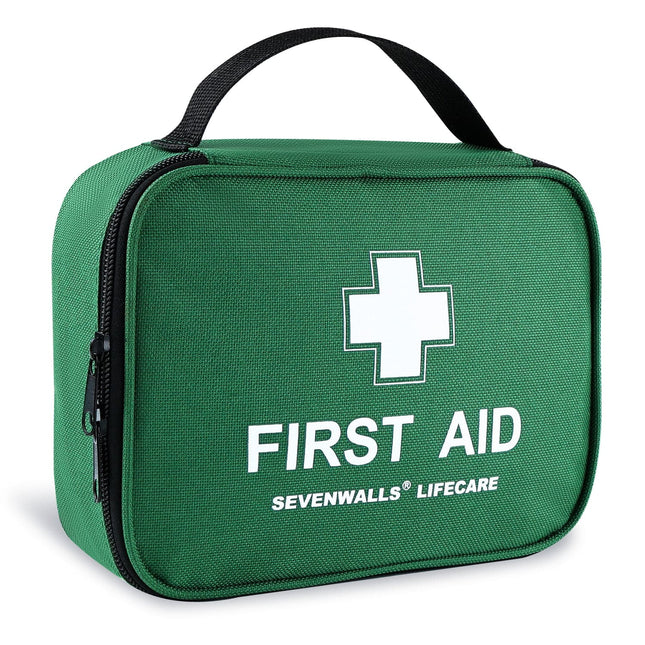
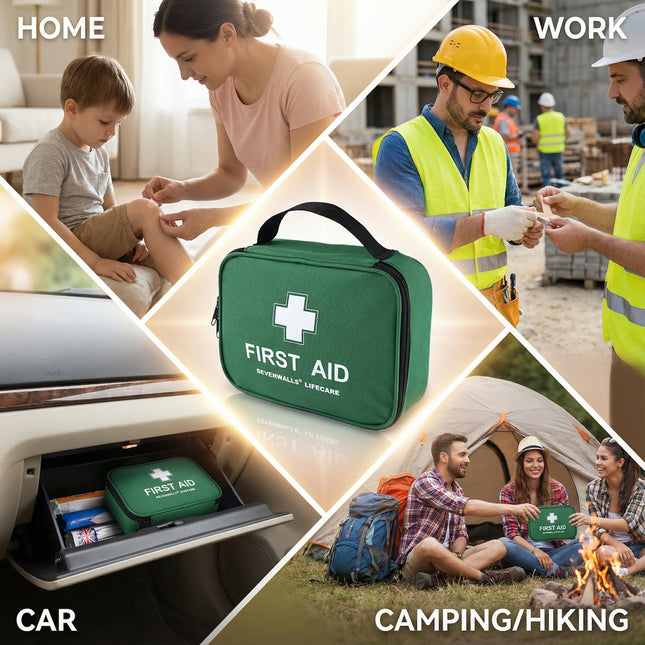
What should be in a first aid kit for an older person?
A general home first aid kit can be useful for minor injuries and everyday incidents.
Depending on individual needs, useful general supplies can include:
plasters;
sterile dressings;
gauze;
disposable gloves;
medical tape;
scissors;
an instant cold pack;
other supplies appropriate to the household.
Prescription medication, glucose treatments and other personal medical equipment should be stored and managed separately according to the person's healthcare plan.
You can view our range of first aid kits for home and general emergency preparedness.
Common first aid mistakes with older casualties
Common mistakes include:
pulling someone upright immediately after a fall;
assuming hip pain is only bruising;
ignoring a head impact because there is no visible wound;
assuming sudden confusion is simply dementia;
overlooking medicines that affect bleeding;
giving food or drink to someone who is not fully alert;
leaving someone on a cold floor without protection from heat loss;
ignoring a brief episode of stroke-like symptoms because they disappeared;
failing to call 999 when someone cannot get up after a fall.
Quick first aid checklist for older people
Situation
What to do
Fall with no obvious serious injury
Assess first. If they genuinely feel able to get up, allow them to do so slowly with stable support.
Cannot get up after fall
Call 999. Keep them comfortable and warm and do not try to lift them yourself.
Possible head, neck, back or hip injury
Call 999 and minimise unnecessary movement.
Possible stroke
Use FAST and call 999 immediately.
Sudden confusion
Consider acute illness or injury and seek urgent medical help.
Unresponsive but breathing
Maintain the airway, use the recovery position where appropriate and call 999.
Not breathing normally
Call 999, begin CPR and use an AED if available.
Minor fall but still in pain or unwell
Contact NHS 111 for advice.
Official NHS guidance
The NHS provides guidance on falls, including what to do after a fall, when to call 999, falls prevention and when to seek further assessment.
Should you lift an older person immediately after a fall?
No. Check for pain and injuries first. If the person cannot get up, or may have injured their head, back, neck or hip, call 999. Do not try to lift them yourself.
When should you call 999 after an older person falls?
Call 999 if they cannot get up, may have injured their head, back, neck or hip, are unconscious, are not breathing normally, have severe bleeding, show signs of stroke or become seriously unwell.
Why is a head injury more concerning in some older people?
Older people may be more vulnerable to complications after a head injury, and some take medicines that affect blood clotting. Seek appropriate medical assessment after significant head injury, particularly if symptoms develop or blood-thinning medication is involved.
Can sudden confusion in an older person be an emergency?
Yes. Sudden confusion can be caused by acute illness or injury, including stroke, head injury, low blood glucose, infection or dehydration. Do not assume a sudden change is simply due to ageing or dementia.
What are the FAST signs of stroke?
FAST stands for Face weakness, Arm weakness, Speech problems and Time to call 999. Stroke symptoms can occur suddenly and emergency help is required even if the symptoms later disappear.
Should an older person see a GP after a fall?
Yes. NHS guidance recommends seeing a GP after a fall or if there are concerns about balance or mobility. This can help identify factors such as medication, muscle weakness, eyesight, hearing or other conditions that may increase fall risk.
1-2 days delivery
FirstAidKitsUK offers free delivery on all UK orders via Royal Mail 48 Tracked. We offer free next-day delivery on all orders over £30 via Royal Mail 24 Tracked.
Royal Mail 48 Tracked: Orders placed before 16:00 pm are dispatched the same day Mon-Fri, and 11:00 pm Sat. Orders after this threshold will be dispatched the next working day. Delivery takes 2 days, including Saturdays. This service is free for all orders.
Royal Mail 24 Tracked: Orders placed before 16:00 pm Mon-Fri, before 11pm Saturday are dispatched the same day. Orders after this threshold will be dispatched the next working day. Delivery will take place the next working day. This service is free for orders over £30. The charge for this service is £3.99 for orders under £30.
This may not be available during public holidays or weekends in between public holidays.
1-2 days delivery
FirstAidKitsUK offers free delivery on all UK orders via Royal Mail 48 Tracked. We offer free next-day delivery on all orders over £30 via Royal Mail 24 Tracked.
Royal Mail 48 Tracked: Orders placed before 16:00 pm are dispatched the same day Mon-Fri, and 11:00 pm Sat. Orders after this threshold will be dispatched the next working day. Delivery takes 2 days, including Saturdays. This service is free for all orders.
Royal Mail 24 Tracked: Orders placed before 16:00 pm Mon-Fri, before 11pm Saturday are dispatched the same day. Orders after this threshold will be dispatched the next working day. Delivery will take place the next working day. This service is free for orders over £30. The charge for this service is £3.99 for orders under £30.
This may not be available during public holidays or weekends in between public holidays.
1-2 days delivery
FirstAidKitsUK offers free delivery on all UK orders via Royal Mail 48 Tracked. We offer free next-day delivery on all orders over £30 via Royal Mail 24 Tracked.
Royal Mail 48 Tracked: Orders placed before 16:00 pm are dispatched the same day Mon-Fri, and 11:00 pm Sat. Orders after this threshold will be dispatched the next working day. Delivery takes 2 days, including Saturdays. This service is free for all orders.
Royal Mail 24 Tracked: Orders placed before 16:00 pm Mon-Fri, before 11pm Saturday are dispatched the same day. Orders after this threshold will be dispatched the next working day. Delivery will take place the next working day. This service is free for orders over £30. The charge for this service is £3.99 for orders under £30.
This may not be available during public holidays or weekends in between public holidays.
1-2 days delivery
FirstAidKitsUK offers free delivery on all UK orders via Royal Mail 48 Tracked. We offer free next-day delivery on all orders over £30 via Royal Mail 24 Tracked.
Royal Mail 48 Tracked: Orders placed before 16:00 pm are dispatched the same day Mon-Fri, and 11:00 pm Sat. Orders after this threshold will be dispatched the next working day. Delivery takes 2 days, including Saturdays. This service is free for all orders.
Royal Mail 24 Tracked: Orders placed before 16:00 pm Mon-Fri, before 11pm Saturday are dispatched the same day. Orders after this threshold will be dispatched the next working day. Delivery will take place the next working day. This service is free for orders over £30. The charge for this service is £3.99 for orders under £30.
This may not be available during public holidays or weekends in between public holidays.
1-2 days delivery
FirstAidKitsUK offers free delivery on all UK orders via Royal Mail 48 Tracked. We offer free next-day delivery on all orders over £30 via Royal Mail 24 Tracked.
Royal Mail 48 Tracked: Orders placed before 16:00 pm are dispatched the same day Mon-Fri, and 11:00 pm Sat. Orders after this threshold will be dispatched the next working day. Delivery takes 2 days, including Saturdays. This service is free for all orders.
Royal Mail 24 Tracked: Orders placed before 16:00 pm Mon-Fri, before 11pm Saturday are dispatched the same day. Orders after this threshold will be dispatched the next working day. Delivery will take place the next working day. This service is free for orders over £30. The charge for this service is £3.99 for orders under £30.
This may not be available during public holidays or weekends in between public holidays.
1-2 days delivery
FirstAidKitsUK offers free delivery on all UK orders via Royal Mail 48 Tracked. We offer free next-day delivery on all orders over £30 via Royal Mail 24 Tracked.
Royal Mail 48 Tracked: Orders placed before 16:00 pm are dispatched the same day Mon-Fri, and 11:00 pm Sat. Orders after this threshold will be dispatched the next working day. Delivery takes 2 days, including Saturdays. This service is free for all orders.
Royal Mail 24 Tracked: Orders placed before 16:00 pm Mon-Fri, before 11pm Saturday are dispatched the same day. Orders after this threshold will be dispatched the next working day. Delivery will take place the next working day. This service is free for orders over £30. The charge for this service is £3.99 for orders under £30.
This may not be available during public holidays or weekends in between public holidays.
1-2 days delivery
FirstAidKitsUK offers free delivery on all UK orders via Royal Mail 48 Tracked. We offer free next-day delivery on all orders over £30 via Royal Mail 24 Tracked.
Royal Mail 48 Tracked: Orders placed before 16:00 pm are dispatched the same day Mon-Fri, and 11:00 pm Sat. Orders after this threshold will be dispatched the next working day. Delivery takes 2 days, including Saturdays. This service is free for all orders.
Royal Mail 24 Tracked: Orders placed before 16:00 pm Mon-Fri, before 11pm Saturday are dispatched the same day. Orders after this threshold will be dispatched the next working day. Delivery will take place the next working day. This service is free for orders over £30. The charge for this service is £3.99 for orders under £30.
This may not be available during public holidays or weekends in between public holidays.