Manufacturing workplaces are among the most complex working environments in the UK. Employees often work with machinery, moving equipment, manual handling tasks, electricity, chemicals and production processes that require careful planning to reduce the risk of injury.
Good workplace safety is not simply about complying with legal duties. Effective safety management helps protect employees, minimise workplace accidents, improve productivity and reduce costly disruption caused by incidents.
Every manufacturing workplace is different, but most share common hazards that require suitable risk assessments, employee training, safe working procedures and appropriate first aid arrangements.
This guide explains manufacturing workplace safety, common hazards, employer responsibilities, accident prevention and practical ways to improve safety within production environments.
This information is general guidance and should not be considered legal advice.
What is manufacturing workplace safety?
Manufacturing workplace safety refers to the systems, procedures and controls used to reduce risks associated with manufacturing activities.
Manufacturing includes many different industries, including:
Engineering workshops
Food production
Automotive manufacturing
Plastic manufacturing
Metal fabrication
Packaging facilities
Textile production
Furniture manufacturing
Electronics assembly
General production lines
Although manufacturing processes vary considerably, many workplaces share similar health and safety challenges.
Why manufacturing safety is important
Manufacturing environments often contain multiple hazards operating simultaneously. Machinery, vehicles, electricity, manual handling and production pressures can all increase the likelihood of accidents if appropriate precautions are not taken.
Effective safety management helps:
Reduce workplace injuries.
Protect employees and visitors.
Improve productivity.
Reduce equipment damage.
Support emergency preparedness.
Create a stronger safety culture.
Preventing accidents also reduces downtime and helps maintain efficient production.
Employer responsibilities
Employers should take appropriate steps to provide a safe working environment for employees and anyone affected by workplace activities.
This may include:
Completing suitable risk assessments.
Providing appropriate employee training.
Maintaining machinery.
Inspecting equipment.
Providing suitable PPE where required.
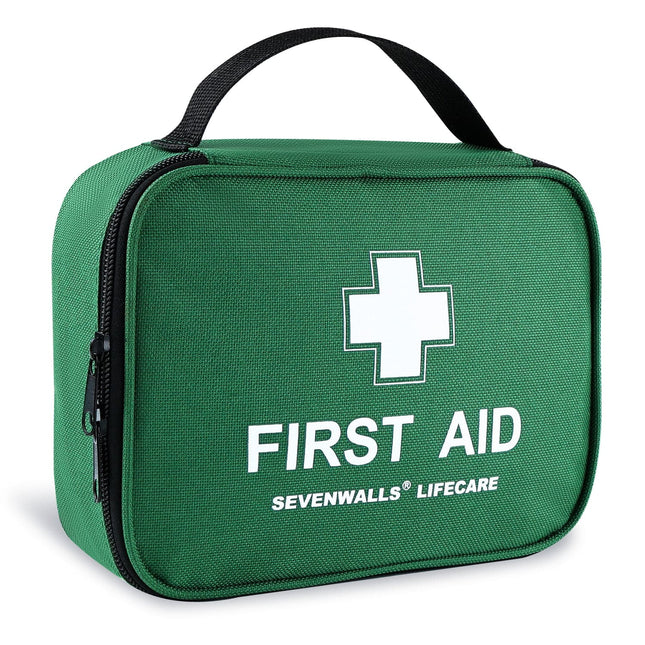
Maintaining first aid arrangements.
Preparing emergency procedures.
Reviewing workplace hazards regularly.
Safety management should be viewed as an ongoing process rather than a one-time exercise.
Risk assessments
Manufacturing activities often change over time as production methods, equipment and materials evolve.
Risk assessments should consider hazards associated with both routine and non-routine activities.
Machinery is one of the most significant hazards within manufacturing environments. Moving parts, rotating components and automated equipment can cause serious injuries if suitable precautions are not followed.
Good machinery safety may include:
Machine guarding.
Emergency stop controls.
Routine maintenance.
Inspection before use.
Safe cleaning procedures.
Employee training.
Isolation before maintenance where appropriate.
Damaged or defective machinery should not be used until it has been inspected and repaired where necessary.
Manual handling
Many manufacturing workplaces involve repeated lifting, carrying, pushing and pulling throughout the working day.
Common manual handling risks include:
Heavy materials.
Awkward loads.
Repetitive lifting.
Poor workstation design.
Insufficient mechanical assistance.
Employers should consider mechanical handling equipment wherever practical and ensure employees receive suitable manual handling training.
Forklift trucks are essential in many manufacturing facilities, but they also present one of the highest workplace risks. Collisions between forklifts and pedestrians can cause serious injuries, particularly in busy production environments.
Employers should consider:
Clearly marked vehicle routes.
Separate pedestrian walkways wherever reasonably practicable.
Speed limits.
Adequate lighting.
Warning signage.
Regular vehicle inspections.
Suitable operator training.
Pedestrians should avoid entering designated forklift operating areas unless it is safe to do so.
Manufacturing sites often include delivery vehicles, pallet trucks, forklifts and internal transport systems. Safe traffic management helps reduce the risk of collisions between vehicles and pedestrians.
Traffic management may include:
Clearly marked routes.
One-way systems.
Pedestrian crossings.
Vehicle exclusion zones.
Delivery procedures.
Visitor management.
Chemical safety
Many manufacturing processes involve oils, lubricants, solvents, cleaning chemicals, adhesives or other hazardous substances.
Manufacturing emergency procedures should be clearly documented and communicated to employees.
They may include responses to:
Machinery incidents.
Fire.
Chemical spills.
Electrical incidents.
Serious injuries.
Power failures.
Regular drills and reviews help ensure emergency procedures remain effective.
Manufacturing workplace safety checklist
Inspection Item
Status
Risk assessment reviewed
✓
Machinery inspected
✓
Machine guards in place
✓
Walkways clear
✓
PPE available
✓
First aid kits stocked
✓
Emergency exits clear
✓
Fire extinguishers accessible
✓
Employees trained
✓
Hazards reported promptly
✓
Common manufacturing safety mistakes
Removing machine guards.
Ignoring equipment defects.
Poor housekeeping.
Unsafe manual handling.
Inadequate PPE.
Blocked emergency exits.
Poor supervision.
Failing to report near misses.
Key takeaway
Manufacturing workplaces contain a wide range of hazards, but many accidents can be prevented through effective planning, regular inspections, employee training and appropriate first aid arrangements. A proactive approach to workplace safety helps protect employees while supporting efficient and reliable production operations.
Related guides
You may also find these workplace safety guides useful:
Manufacturing workplace safety involves identifying workplace hazards and implementing suitable controls to reduce the risk of injury to employees, contractors and visitors. It includes machinery safety, manual handling, PPE, risk assessments, first aid arrangements and emergency planning.
What are the main hazards in manufacturing workplaces?
Common hazards include machinery, moving vehicles, forklift trucks, manual handling, electricity, hazardous substances, fire, excessive noise, slips, trips and falls.
Why are risk assessments important in manufacturing?
Risk assessments help employers identify workplace hazards, evaluate risks and implement suitable control measures before accidents occur. They should be reviewed whenever processes, equipment or workplace layouts change.
Should manufacturing workplaces have first aid kits?
Yes. Suitable first aid equipment should be provided based on the workplace first aid needs assessment. Employees should know where first aid kits are located and who the trained first aiders are.
What PPE is commonly used in manufacturing?
Depending on the work being carried out, PPE may include safety footwear, eye protection, gloves, hearing protection, respiratory protective equipment, high-visibility clothing and safety helmets.
How can machinery accidents be prevented?
Accidents can be reduced through machine guarding, regular inspections, preventive maintenance, employee training, emergency stop systems and safe isolation procedures during maintenance.
Why is good housekeeping important in manufacturing?
Good housekeeping reduces slips, trips, fire risks, manual handling hazards and blocked access routes. It also improves productivity and supports emergency evacuation procedures.
What should employees do if they identify a workplace hazard?
Employees should report hazards promptly using workplace reporting procedures and avoid exposing themselves or others to unnecessary risk while waiting for corrective action.
1-2 days delivery
FirstAidKitsUK offers free delivery on all UK orders via Royal Mail 48 Tracked. We offer free next-day delivery on all orders over £30 via Royal Mail 24 Tracked.
Royal Mail 48 Tracked: Orders placed before 16:00 pm are dispatched the same day Mon-Fri, and 11:00 pm Sat. Orders after this threshold will be dispatched the next working day. Delivery takes 2 days, including Saturdays. This service is free for all orders.
Royal Mail 24 Tracked: Orders placed before 16:00 pm Mon-Fri, before 11pm Saturday are dispatched the same day. Orders after this threshold will be dispatched the next working day. Delivery will take place the next working day. This service is free for orders over £30. The charge for this service is £3.99 for orders under £30.
This may not be available during public holidays or weekends in between public holidays.
1-2 days delivery
FirstAidKitsUK offers free delivery on all UK orders via Royal Mail 48 Tracked. We offer free next-day delivery on all orders over £30 via Royal Mail 24 Tracked.
Royal Mail 48 Tracked: Orders placed before 16:00 pm are dispatched the same day Mon-Fri, and 11:00 pm Sat. Orders after this threshold will be dispatched the next working day. Delivery takes 2 days, including Saturdays. This service is free for all orders.
Royal Mail 24 Tracked: Orders placed before 16:00 pm Mon-Fri, before 11pm Saturday are dispatched the same day. Orders after this threshold will be dispatched the next working day. Delivery will take place the next working day. This service is free for orders over £30. The charge for this service is £3.99 for orders under £30.
This may not be available during public holidays or weekends in between public holidays.
1-2 days delivery
FirstAidKitsUK offers free delivery on all UK orders via Royal Mail 48 Tracked. We offer free next-day delivery on all orders over £30 via Royal Mail 24 Tracked.
Royal Mail 48 Tracked: Orders placed before 16:00 pm are dispatched the same day Mon-Fri, and 11:00 pm Sat. Orders after this threshold will be dispatched the next working day. Delivery takes 2 days, including Saturdays. This service is free for all orders.
Royal Mail 24 Tracked: Orders placed before 16:00 pm Mon-Fri, before 11pm Saturday are dispatched the same day. Orders after this threshold will be dispatched the next working day. Delivery will take place the next working day. This service is free for orders over £30. The charge for this service is £3.99 for orders under £30.
This may not be available during public holidays or weekends in between public holidays.
1-2 days delivery
FirstAidKitsUK offers free delivery on all UK orders via Royal Mail 48 Tracked. We offer free next-day delivery on all orders over £30 via Royal Mail 24 Tracked.
Royal Mail 48 Tracked: Orders placed before 16:00 pm are dispatched the same day Mon-Fri, and 11:00 pm Sat. Orders after this threshold will be dispatched the next working day. Delivery takes 2 days, including Saturdays. This service is free for all orders.
Royal Mail 24 Tracked: Orders placed before 16:00 pm Mon-Fri, before 11pm Saturday are dispatched the same day. Orders after this threshold will be dispatched the next working day. Delivery will take place the next working day. This service is free for orders over £30. The charge for this service is £3.99 for orders under £30.
This may not be available during public holidays or weekends in between public holidays.
1-2 days delivery
FirstAidKitsUK offers free delivery on all UK orders via Royal Mail 48 Tracked. We offer free next-day delivery on all orders over £30 via Royal Mail 24 Tracked.
Royal Mail 48 Tracked: Orders placed before 16:00 pm are dispatched the same day Mon-Fri, and 11:00 pm Sat. Orders after this threshold will be dispatched the next working day. Delivery takes 2 days, including Saturdays. This service is free for all orders.
Royal Mail 24 Tracked: Orders placed before 16:00 pm Mon-Fri, before 11pm Saturday are dispatched the same day. Orders after this threshold will be dispatched the next working day. Delivery will take place the next working day. This service is free for orders over £30. The charge for this service is £3.99 for orders under £30.
This may not be available during public holidays or weekends in between public holidays.
1-2 days delivery
FirstAidKitsUK offers free delivery on all UK orders via Royal Mail 48 Tracked. We offer free next-day delivery on all orders over £30 via Royal Mail 24 Tracked.
Royal Mail 48 Tracked: Orders placed before 16:00 pm are dispatched the same day Mon-Fri, and 11:00 pm Sat. Orders after this threshold will be dispatched the next working day. Delivery takes 2 days, including Saturdays. This service is free for all orders.
Royal Mail 24 Tracked: Orders placed before 16:00 pm Mon-Fri, before 11pm Saturday are dispatched the same day. Orders after this threshold will be dispatched the next working day. Delivery will take place the next working day. This service is free for orders over £30. The charge for this service is £3.99 for orders under £30.
This may not be available during public holidays or weekends in between public holidays.
1-2 days delivery
FirstAidKitsUK offers free delivery on all UK orders via Royal Mail 48 Tracked. We offer free next-day delivery on all orders over £30 via Royal Mail 24 Tracked.
Royal Mail 48 Tracked: Orders placed before 16:00 pm are dispatched the same day Mon-Fri, and 11:00 pm Sat. Orders after this threshold will be dispatched the next working day. Delivery takes 2 days, including Saturdays. This service is free for all orders.
Royal Mail 24 Tracked: Orders placed before 16:00 pm Mon-Fri, before 11pm Saturday are dispatched the same day. Orders after this threshold will be dispatched the next working day. Delivery will take place the next working day. This service is free for orders over £30. The charge for this service is £3.99 for orders under £30.
This may not be available during public holidays or weekends in between public holidays.