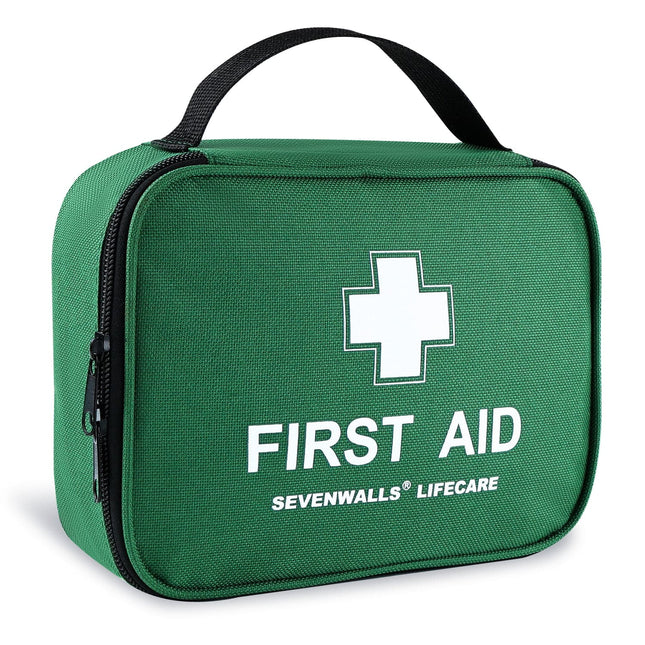
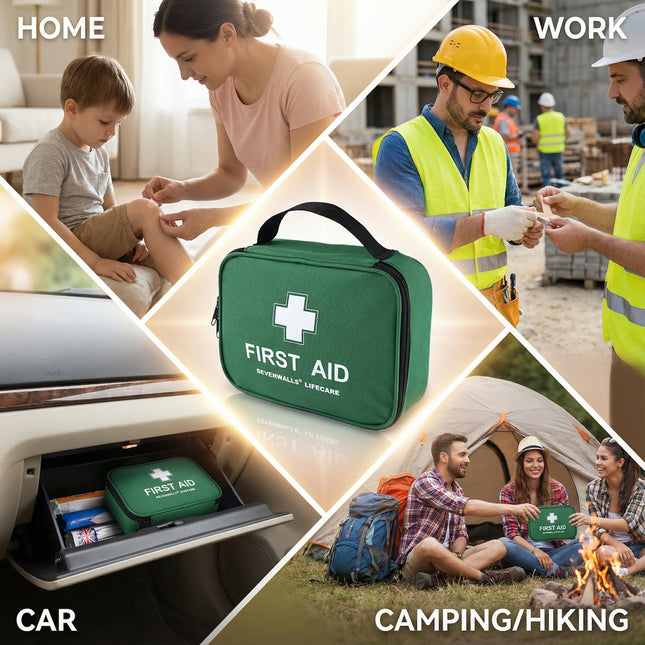
Whether you run a café, salon, small office, trades business, or online shop, UK law still expects you to provide adequate and appropriate first aid. The fact that you are a small business does not remove your responsibilities under the Health and Safety (First-Aid) Regulations 1981. This guide explains what small businesses must do, how much is realistic, and how to choose the right first aid provision without over-spending.
Yes. All employers – including micro businesses and small employers – must make sure employees can receive immediate attention if they are injured or taken ill at work. This normally means:
At least one suitable first aid kit on site.
A person responsible for first aid arrangements.
Information for employees on where kits are and who to contact.
Key regulations that apply to small employers include:
Health and Safety (First-Aid) Regulations 1981 – require “adequate and appropriate” equipment, facilities and personnel.
Health and Safety at Work etc. Act 1974 – overall duty to protect employees as far as reasonably practicable.
HSE gives flexibility to small businesses. You do not have to provide the same level of equipment as a large factory, but you must still have sensible arrangements based on your risks.
Typical First Aid Needs for Small UK Businesses
Type of Small Business
Typical Risks
Suggested First Aid Provision
Small Office (up to 10 staff)
Minor cuts, slips, trips, eye strain, headaches.
1 small BS 8599-1 kit, appointed person, clear signage.
Café / Coffee Shop / Small Restaurant
Burns, cuts, slips on wet floors, minor scalds.
1–2 small or medium BS 8599-1 kits, burn dressings, trained first aider on busy shifts if possible.
Hair & Beauty Salon / Barber
Cuts from scissors/razors, chemical splashes, slips.
1 small BS 8599-1 kit, eye wash, appointed person, clear procedure for chemical splashes.
Small Retail Shop
Cuts from stock, trips, minor manual handling injuries.
1 small or medium BS 8599-1 kit, appointed person, accident book.
Tradesperson / Workshop (low–medium risk)
Cuts, minor burns, splinters, strains, outdoor work.
Medium BS 8599-1 kit, additional plasters/dressings, vehicle kit for work on the road.
Home-Based / Remote Small Business
Similar to office risks, plus home environment hazards.
Not every small business needs a fully qualified first aider, but you must decide this through your risk assessment. For low-risk environments with very few staff, HSE may consider an appointed person sufficient. We explain this role in our Appointed First Aiders Guide.
Many small businesses rely on lone workers or staff who travel alone – such as mobile hairdressers, cleaners, engineers, or delivery drivers. These workers still need first aid provision while away from the main workplace.
Even very small businesses should keep a simple system for recording incidents. This helps you learn from accidents and proves that you manage health and safety properly.
Yes. All employers in the UK must provide adequate and appropriate first aid equipment. Even the smallest businesses should have at least one suitable first aid kit on site.
How many first aid kits does a small business need?
Most small, low-risk workplaces can start with a single small or medium BS 8599-1 kit. If you have multiple floors, areas or vehicles, you may need more than one kit.
Do I need a trained first aider if I have fewer than 5 staff?
Not always. In many low-risk environments, an appointed person may be enough. However, having a trained first aider is always beneficial and may be necessary if your risks are higher.
Do self-employed people need first aid kits?
Self-employed people are responsible for their own safety. HSE strongly recommends that anyone working alone or self-employed carries an appropriate first aid kit.
Does a small business need a first aid room?
No. First aid rooms are usually only needed in larger or higher-risk workplaces. Small businesses normally just need suitable kits, information, and trained people where appropriate.
How often should small businesses check their first aid kits?
At least once a month is recommended, and after any incident where items are used. Expired items should be replaced promptly.
1-2 days delivery
FirstAidKitsUK offers free delivery on all UK orders via Royal Mail 48 Tracked. We offer free next-day delivery on all orders over £30 via Royal Mail 24 Tracked.
Royal Mail 48 Tracked: Orders placed before 16:00 pm are dispatched the same day Mon-Fri, and 11:00 pm Sat. Orders after this threshold will be dispatched the next working day. Delivery takes 2 days, including Saturdays. This service is free for all orders.
Royal Mail 24 Tracked: Orders placed before 16:00 pm Mon-Fri, before 11pm Saturday are dispatched the same day. Orders after this threshold will be dispatched the next working day. Delivery will take place the next working day. This service is free for orders over £30. The charge for this service is £3.99 for orders under £30.
This may not be available during public holidays or weekends in between public holidays.
1-2 days delivery
FirstAidKitsUK offers free delivery on all UK orders via Royal Mail 48 Tracked. We offer free next-day delivery on all orders over £30 via Royal Mail 24 Tracked.
Royal Mail 48 Tracked: Orders placed before 16:00 pm are dispatched the same day Mon-Fri, and 11:00 pm Sat. Orders after this threshold will be dispatched the next working day. Delivery takes 2 days, including Saturdays. This service is free for all orders.
Royal Mail 24 Tracked: Orders placed before 16:00 pm Mon-Fri, before 11pm Saturday are dispatched the same day. Orders after this threshold will be dispatched the next working day. Delivery will take place the next working day. This service is free for orders over £30. The charge for this service is £3.99 for orders under £30.
This may not be available during public holidays or weekends in between public holidays.
1-2 days delivery
FirstAidKitsUK offers free delivery on all UK orders via Royal Mail 48 Tracked. We offer free next-day delivery on all orders over £30 via Royal Mail 24 Tracked.
Royal Mail 48 Tracked: Orders placed before 16:00 pm are dispatched the same day Mon-Fri, and 11:00 pm Sat. Orders after this threshold will be dispatched the next working day. Delivery takes 2 days, including Saturdays. This service is free for all orders.
Royal Mail 24 Tracked: Orders placed before 16:00 pm Mon-Fri, before 11pm Saturday are dispatched the same day. Orders after this threshold will be dispatched the next working day. Delivery will take place the next working day. This service is free for orders over £30. The charge for this service is £3.99 for orders under £30.
This may not be available during public holidays or weekends in between public holidays.
1-2 days delivery
FirstAidKitsUK offers free delivery on all UK orders via Royal Mail 48 Tracked. We offer free next-day delivery on all orders over £30 via Royal Mail 24 Tracked.
Royal Mail 48 Tracked: Orders placed before 16:00 pm are dispatched the same day Mon-Fri, and 11:00 pm Sat. Orders after this threshold will be dispatched the next working day. Delivery takes 2 days, including Saturdays. This service is free for all orders.
Royal Mail 24 Tracked: Orders placed before 16:00 pm Mon-Fri, before 11pm Saturday are dispatched the same day. Orders after this threshold will be dispatched the next working day. Delivery will take place the next working day. This service is free for orders over £30. The charge for this service is £3.99 for orders under £30.
This may not be available during public holidays or weekends in between public holidays.
1-2 days delivery
FirstAidKitsUK offers free delivery on all UK orders via Royal Mail 48 Tracked. We offer free next-day delivery on all orders over £30 via Royal Mail 24 Tracked.
Royal Mail 48 Tracked: Orders placed before 16:00 pm are dispatched the same day Mon-Fri, and 11:00 pm Sat. Orders after this threshold will be dispatched the next working day. Delivery takes 2 days, including Saturdays. This service is free for all orders.
Royal Mail 24 Tracked: Orders placed before 16:00 pm Mon-Fri, before 11pm Saturday are dispatched the same day. Orders after this threshold will be dispatched the next working day. Delivery will take place the next working day. This service is free for orders over £30. The charge for this service is £3.99 for orders under £30.
This may not be available during public holidays or weekends in between public holidays.
1-2 days delivery
FirstAidKitsUK offers free delivery on all UK orders via Royal Mail 48 Tracked. We offer free next-day delivery on all orders over £30 via Royal Mail 24 Tracked.
Royal Mail 48 Tracked: Orders placed before 16:00 pm are dispatched the same day Mon-Fri, and 11:00 pm Sat. Orders after this threshold will be dispatched the next working day. Delivery takes 2 days, including Saturdays. This service is free for all orders.
Royal Mail 24 Tracked: Orders placed before 16:00 pm Mon-Fri, before 11pm Saturday are dispatched the same day. Orders after this threshold will be dispatched the next working day. Delivery will take place the next working day. This service is free for orders over £30. The charge for this service is £3.99 for orders under £30.
This may not be available during public holidays or weekends in between public holidays.
1-2 days delivery
FirstAidKitsUK offers free delivery on all UK orders via Royal Mail 48 Tracked. We offer free next-day delivery on all orders over £30 via Royal Mail 24 Tracked.
Royal Mail 48 Tracked: Orders placed before 16:00 pm are dispatched the same day Mon-Fri, and 11:00 pm Sat. Orders after this threshold will be dispatched the next working day. Delivery takes 2 days, including Saturdays. This service is free for all orders.
Royal Mail 24 Tracked: Orders placed before 16:00 pm Mon-Fri, before 11pm Saturday are dispatched the same day. Orders after this threshold will be dispatched the next working day. Delivery will take place the next working day. This service is free for orders over £30. The charge for this service is £3.99 for orders under £30.
This may not be available during public holidays or weekends in between public holidays.